- Duration
- 15 days
- Pace
- Active
- Hotel changes
- 10
- Best months
- Jun, Jul, Aug, Sep
- From
- $3,480 per person
This itinerary gives altitude the respect it needs. Three full nights in Leh doing very little before anyone walks anywhere, then six days on the Markha Valley trail sleeping in Ladakhi homestays and two camps, then the Nubra Valley over one of the highest road passes in the world.
Who it suits: walkers comfortable with five to seven hours a day on rough ground at altitude, carrying a daypack. No technical difficulty and no equipment required beyond boots, but the height is real work.
Your specialist: your named India specialist, with our Delhi office arranging the permits and a Ladakhi crew on the trail.
Day by day
Day 1: Arrive Delhi. Airport hotel, an early night, because the Leh flight leaves at dawn.
Day 2: Fly to Leh. Eighty minutes over the Himalaya, with the range out of the left window, landing at about 10,700 feet (3,250 m). Transfer to the hotel and then nothing: no walking, no sightseeing, no alcohol. This day is medically useful, not wasted.
Day 3: Leh, slowly. A short guided walk through the old town below the palace, tea, and an afternoon lying down. Shanti Stupa at sunset if you feel well. Still acclimatising.
Day 4: The Indus valley monasteries. By car, which keeps the effort low: Thiksey at first light for the morning prayers, then Shey, Stakna and the great fortified monastery at Hemis. Back to Leh to sleep at 11,500 feet (3,500 m).
Day 5: Drive to Chilling, walk to Skiu. The trek begins. A gentle first day up the Markha gorge to the first homestay, about four hours.
Day 6: Skiu to Markha. A long valley day, roughly seven hours, crossing and recrossing the river. In July the crossings can be thigh-deep and are extremely cold. We tell you that before you book, not at the water’s edge.
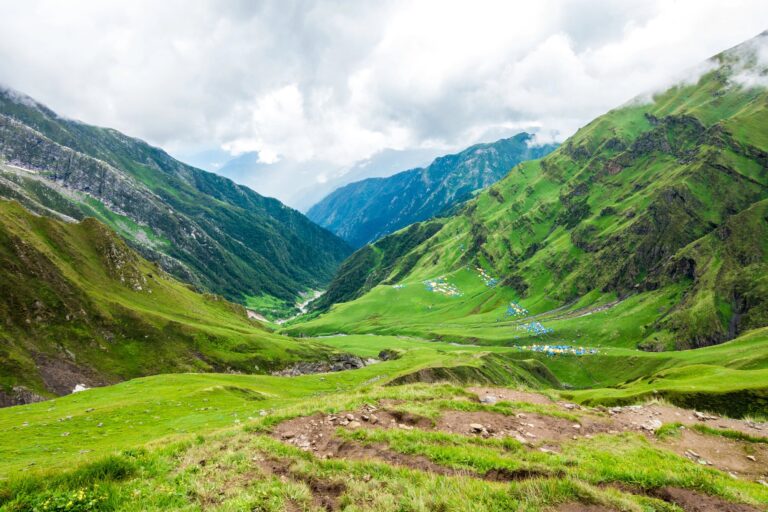
Day 7: Markha to Thachungtse. Climbing now, past the Techa gompa clinging to the cliff above the village, about six hours to camp at around 13,800 feet (4,200 m).
Day 8: Thachungtse to Nimaling. A shorter day up to the summer pastures beneath Kang Yatse, camping at roughly 15,400 feet (4,700 m). Cold at night, and the reason we carry proper sleeping bags rather than hoping.
Day 9: Over the Kongmaru La to Shang Sumdo. The big day: up to the pass at about 17,000 feet (5,200 m), prayer flags, the Zanskar range laid out behind you, then a long descent through a slot canyon. Eight to nine hours. Vehicle meets you at the bottom.
Day 10: Back to Leh. Two hours by road, a hot shower, and the rest of the day free.
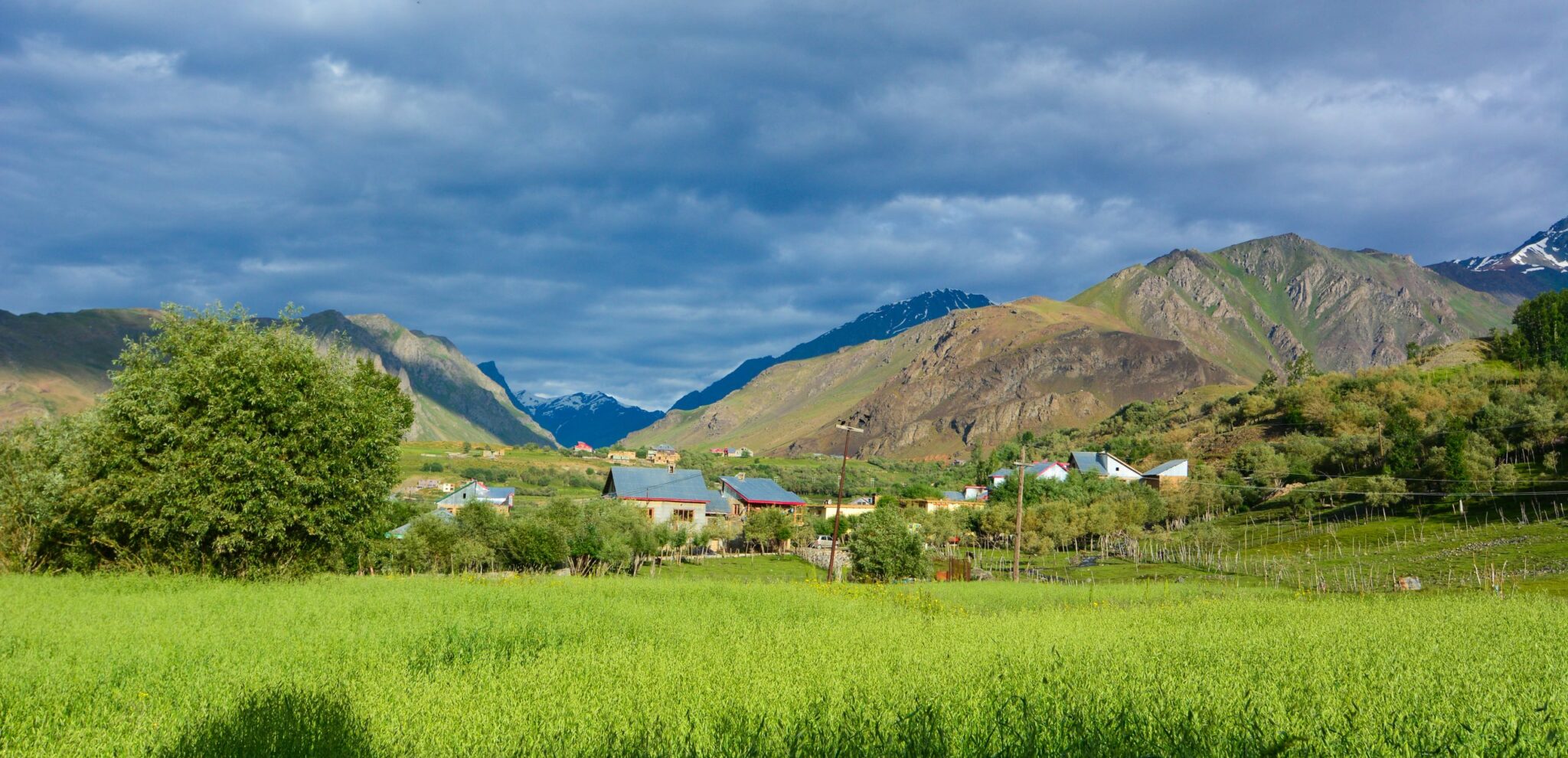
Day 11: Leh to Nubra. Over the Khardung La at roughly 17,600 feet (5,360 m), one of the highest roads in the world, and down into the Nubra Valley. Five hours, and higher than you have slept, so we do not linger at the top.
Day 12: Nubra. The Diskit monastery with its enormous Maitreya Buddha over the valley, the cold sand dunes at Hunder, and the Bactrian camels that are left over from the Silk Road caravans.
Day 13: Nubra to Leh. Back over the pass, arriving early afternoon. Free time for the Leh bazaar and the pashmina cooperatives.
Day 14: Leh, spare day. Held deliberately empty. Flights out of Leh are weather-dependent and cancellations happen, and this spare day is what absorbs one. If the weather behaves, it becomes a day at Alchi or Lamayuru instead.
Day 15: Fly Leh to Delhi and connect home.
What is included
Hotels in Delhi and Leh, homestays and full camping support on the trek including tents, mattresses, a cook and pack animals, all meals on the trail, the internal flights, all ground transport, the restricted-area permits, a qualified Ladakhi trek leader and a local guide for the monastery days, monastery entries, and a WhatsApp group with your consultant and our Delhi office.
Honest notes
Altitude is the whole planning problem. Leh is higher than most people have ever slept. Acute mountain sickness is common, occasionally serious, and the only reliable protection is time, which is why three nights sit at the front of this trip and why we will not shorten them. Medication is a conversation with your own doctor, not with us. Anyone with a heart or lung condition should have this itinerary reviewed before booking.
The trek is not luxurious. Homestay nights are a mattress on the floor of a family room, a drop toilet outside and a bucket of hot water if you are lucky. Camp nights have no shower at all. The food is good, simple and mostly vegetarian. That is the trip, and people either love it or wish they had read this paragraph.
The season is short. The road passes into Ladakh open around May and June and close with the snow, usually by late October. Outside that window Leh is reachable only by air and the trekking routes are gone. July and August are the best walking months in Ladakh precisely because the monsoon that soaks the rest of India barely crosses the mountains.
What we would cut. Almost every Ladakh brief we receive asks for Pangong Tso as well. It is a five to six hour drive each way for one night at 14,300 feet, on the busiest road in the region, and after the Markha Valley it rarely earns its place. If you want it, we add two days rather than squeezing it in.