- Duration
- 13 days
- Pace
- Active
- Hotel changes
- 6
- Best months
- Feb, Mar, Apr, May
- From
- $2,730 per person
Two honest warnings, both of which we would rather you read now than discover on day four. This is a driving trip. The Cordillera roads are steep, narrow, spectacular and slow, and a hundred miles can take five hours. And the accommodation in the mountains is simple: clean, warm, family-run guesthouses with hot water and not much else. If either of those is a problem, this is not your itinerary, and we will tell you so before you book rather than after.
Who it suits: repeat visitors to Asia, people who plan trips around what they will eat, and anyone who wants to understand a country rather than swim off it.
Planned by: Daniella Eitan, our groups and business manager, with our local representatives in Manila.
Day by day
Day 1: Arrive in Manila. Airport transfer, hotel in Makati or Bonifacio Global City. Nothing scheduled.
Day 2: Manila. Intramuros in the morning, with San Agustin church, which has stood since 1607 and is on the UNESCO list, and Fort Santiago. The National Museum of Fine Arts after that, largely for Juan Luna’s Spoliarium, which is a room-sized nineteenth-century painting and the single best thing in the building. Late afternoon, a guided food walk through Binondo, the world’s oldest Chinatown, founded in 1594.
Day 3: Pampanga. North to the province Filipinos regard as their culinary capital, about two hours. A market walk in San Fernando with a Kapampangan cook, then a private lunch of the dishes this province gave the country: sisig, which was invented here, bringhe, morcon, and the sour tamarind broths done properly. Betis church in the afternoon for its painted ceiling. Night near Clark.
Day 4: Pampanga to Banaue. The long day, seven to eight hours through Nueva Vizcaya into the Cordillera, with stops. There is a night bus that does this route and we do not use it: a private vehicle means you stop at the viewpoints, you eat where you want and you arrive able to walk. Evening in Banaue.
Day 5: Batad. The reason people come to the Cordillera. The road now reaches a saddle above the village, and from there it is a walk of twenty to forty minutes down into an amphitheatre of stone-walled rice terraces that has been farmed continuously for around two thousand years. Batad is one of the five clusters actually inscribed by UNESCO as the Rice Terraces of the Philippine Cordilleras; the roadside viewpoint at Banaue, which is what most photographs show, is not. Walk the terrace walls with an Ifugao guide, lunch in the village, and back up in the afternoon. A moderate hike, not a technical one, but the steps are uneven and the descent is steep.
Day 6: Hungduan and Hapao. The quieter terraces west of Banaue, where you can walk between villages on the irrigation walls without meeting anyone, and where the Hapao hot springs sit in the river at the bottom of the valley. An easier day than yesterday and, for a lot of our travellers, the better one.
Day 7: Banaue to Sagada. Two and a half to three hours across the mountains through Bontoc, with the Bay-yo terraces on the way. Afternoon in Echo Valley, where coffins are hung on the limestone cliffs, a burial practice the Igorot have used for centuries and still occasionally use. Two nights.
Day 8: Sagada. Sumaguing cave in the morning, which involves scrambling, cold water and getting properly wet and is not for anyone unsteady on their feet, or the gentler Lumiang burial cave instead. Afternoon at a weaving workshop, a Sagada coffee roastery, and the lemon pie that the town is inexplicably and correctly famous for. Kiltepan at sunrise for anyone willing to get up, with the caveat that the cloud sea is a lottery.
Day 9: Sagada to Vigan. Six hours west over the Bessang Pass and down to the Ilocos coast, and one of the great drives in the country: pine forest, switchbacks, and then the South China Sea. Arrive late afternoon. Calle Crisologo after dark, when the day visitors have gone and the street is lit by lanterns, is the version of Vigan worth seeing. Two nights.
Day 10: Vigan. The town is a UNESCO World Heritage site because it is the best-surviving Spanish colonial trading settlement in Asia, and because the Chinese-Filipino merchant houses on it are still lived in. Morning at a burnay pottery, where jars are still thrown and fired the way they were in the eighteenth century, then an abel weaving workshop on foot-powered looms. Lunch is Vigan empanada and longganisa at the market. Afternoon at the Syquia mansion and the Bantay bell tower.
Day 11: Ilocos Norte. A long day north and back: Santa Maria church on its hill and Paoay church with its enormous coral-stone buttresses, both on the UNESCO baroque churches list, the white Kapurpurawan rock formation on the coast, and the Bangui windmills. Ten hours with a lot of driving in it, and about a third of our travellers choose a second slow day in Vigan instead. Either answer is right.
Day 12: Vigan to Manila. An hour and a half up to Laoag and an hour in the air, which is the leg that makes this loop work and saves you an eight-hour drive south. Afternoon free in Manila, and a farewell dinner at a restaurant doing modern Filipino cooking, which is a genuinely interesting scene and the right way to end this particular trip.
Day 13: Departure.
What is included
Accommodation with breakfast, private vehicle and driver for the whole northern loop, the internal flight from Laoag, the Binondo food walk, the Kapampangan market and cooking day with a private lunch, Ifugao guides in Batad and Hungduan, the Sagada cave guide, the pottery and weaving workshops, all entrance and heritage fees, a day-by-day document with realistic driving times, and a WhatsApp group with our local team in Manila for the duration.
What we would change, and when
- Want the terraces green? February to April, when the crop is up and the walls are flooded. Want them gold? Late June and early July, at harvest, which is beautiful and wetter.
- Do not want to drive that much? We cut Ilocos Norte and Pampanga, fly Manila to Cauayan or Tuguegarao to shorten the approach, and turn thirteen days into ten.
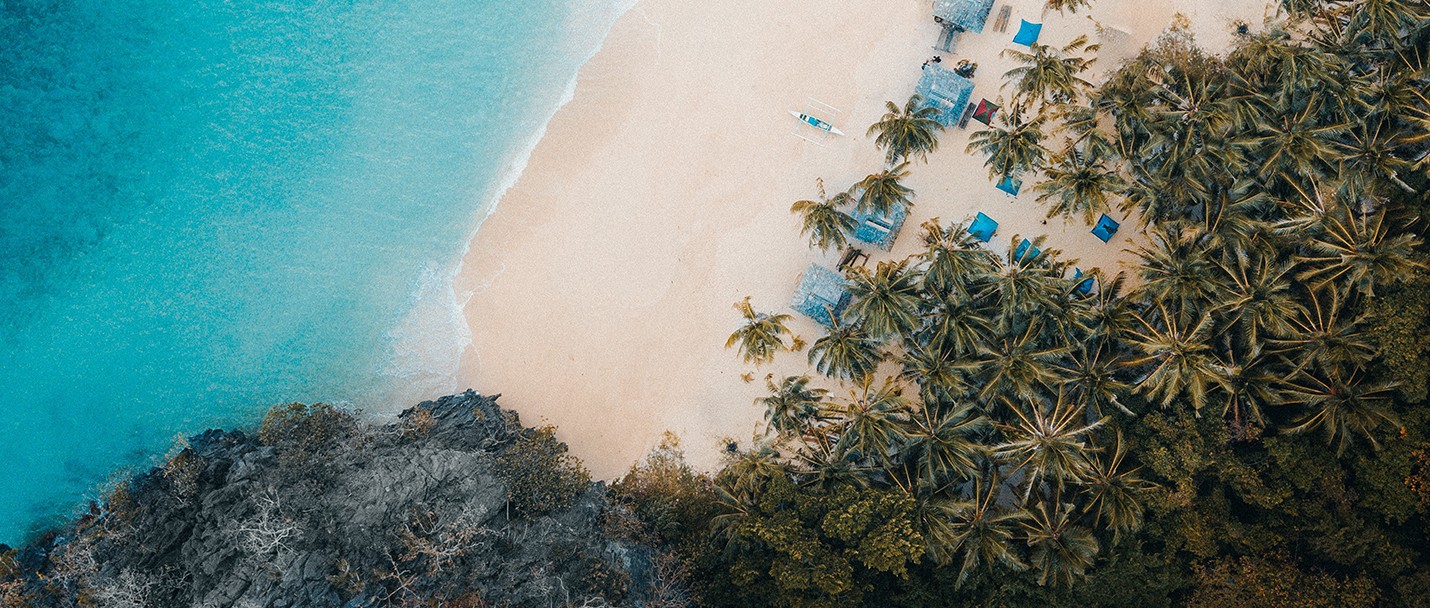
- Want a beach at the end? Four nights in Coron or El Nido tack on cleanly from Manila, and it is the combination we build most often for people who chose this route.
- Travelling with limited mobility? Batad is not workable and we would say so. Hungduan, Banaue’s viewpoints, Vigan and Ilocos all are, and we would build a version around them.