This is the document our consultants open when a new India file lands on the desk. Not a list of sights: the decisions that determine whether your trip is one of the best you will ever take, which it genuinely can be, or two weeks of airports and traffic.
India at a glance
| Best months | October to March for most of the country |
| Comfortable trip length | 14 to 21 days |
| Entry | e-visa for most nationalities, applied for online in advance |
| Getting around | Private car and driver, plus internal flights on the long legs |
| Land budget, per person per day | 120 to 600 US dollars |
| Our presence | Our dedicated local office in Delhi, covering India, Nepal, Sri Lanka and Bhutan |
Two numbers explain most bad India itineraries. Delhi to Kochi is about 1,500 miles (2,400 km), roughly Madrid to Warsaw, and an Indian main road averages 30 to 35 miles an hour, not 55. Plan India as two or three regions joined by flights, not as a loop.
Is India for you, honestly
For someone who has never been to Asia, India is intense. Not dangerous, not hostile, but loud, crowded, hot and constantly asking something of you. You will be approached to buy things. You will see poverty at close range, and no amount of preparation makes the first encounter comfortable. Traffic follows rules you cannot see. The first 48 hours are the hardest, and most people who tell us they “did not get on with India” arrived on a red-eye, went straight into Old Delhi at midday and never recovered.
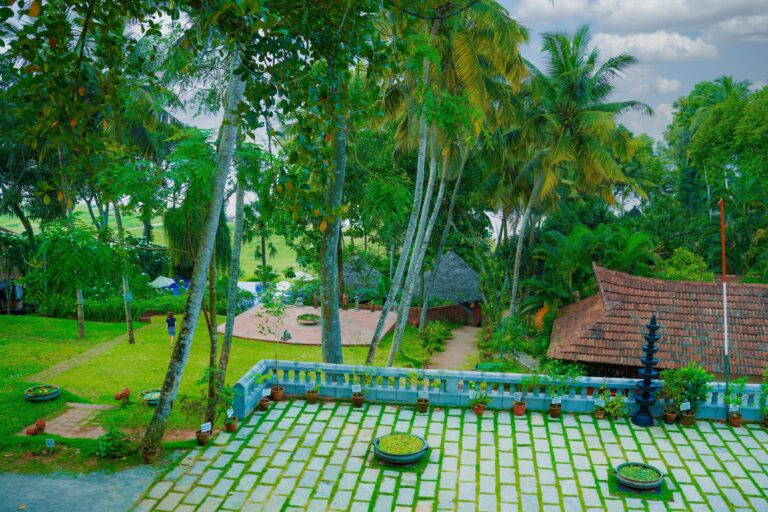
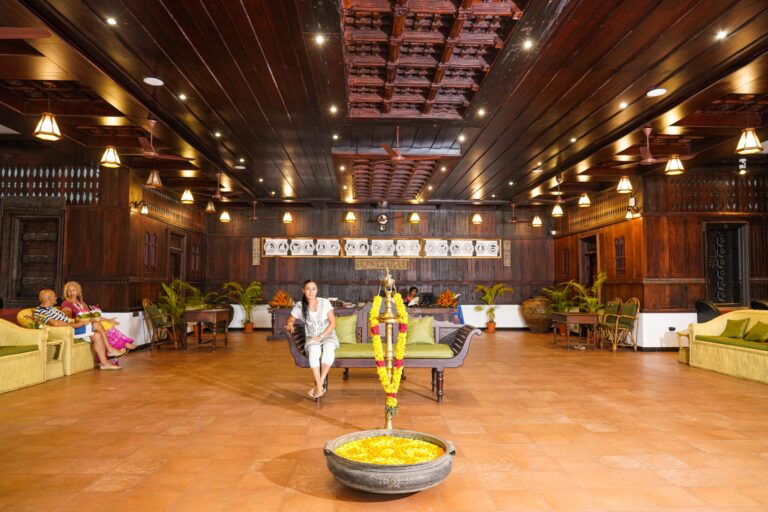
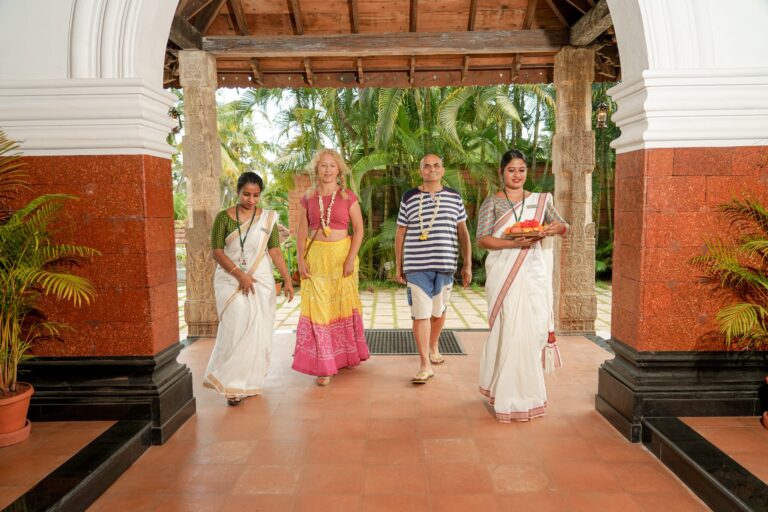
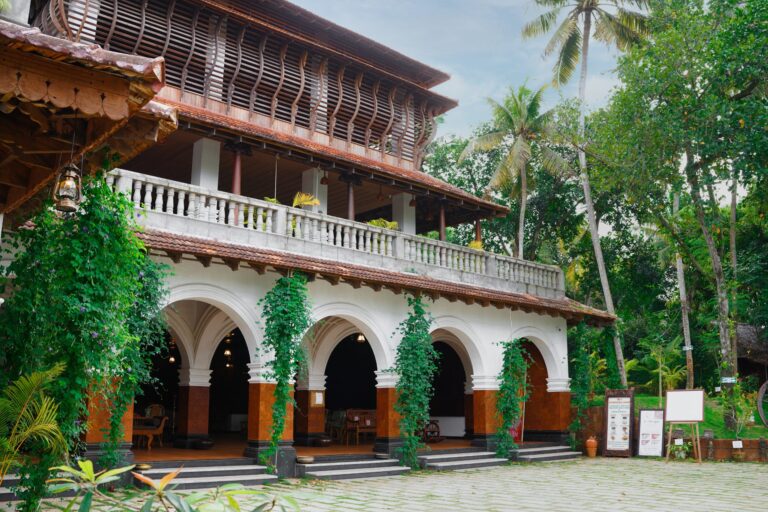
So we build a soft landing: a quiet hotel with a garden, a first morning with nothing in it, a guide on day two rather than day one. After that the volume drops and the country opens. The travellers who struggle wanted a beach holiday with monuments attached. India is not restful. It is absorbing, which is a different thing.
When to travel, by season and by region
The most expensive planning mistake in India is treating it as one climate. It has at least four, and they are not in step.
October to March: the main season
Most of India is at its best, and this is when we send most people. Rajasthan, Delhi, Agra, Varanasi, Kerala, Tamil Nadu and the tiger parks are all comfortable. Delhi in January has daytime highs near 68°F (20°C) and nights around 45°F (7°C), so a jacket matters more than visitors expect, and the desert is genuinely cold after dark.
Two honest qualifications. Delhi’s air quality is poor from roughly November into January, badly so in some weeks, driven by crop burning, still winter air and the city’s own traffic. If you are asthmatic or travelling with a small child we shorten Delhi in those months and tell you, rather than hoping you do not notice. And dense fog on the northern plains in late December and January delays flights and trains by hours, so we do not build tight same-day connections then.
March to June: the shoulder, then the wall
March is excellent and under-used: warm, clear, thin crowds, lower rates, and the tiger parks improving week by week as the water dries up. By the second half of April the north is heating fast.
Then it becomes a wall. Rajasthan, Delhi and Agra in May and June regularly sit between 104 and 113°F (40 and 45°C). This is not a case of it being warm. Sightseeing is unpleasant and, in the worst weeks, unsafe. We do not build Rajasthan itineraries in those months and would rather lose the booking than sell you one. They are the right months for the Himalaya, and the peak months for tiger sightings if you accept the heat as the price.
July to September: the monsoon
The southwest monsoon reaches Kerala around the start of June and moves north over the following weeks, covering most of the country by early July, then retreats through September and October. Rain in India is rarely all-day drizzle: it is heavy, dramatic, often confined to part of the day, and the country turns green in a way the dry season never shows.
The monsoon closes the tiger reserves, whose core zones shut for roughly July to the end of September with dates set park by park, and most Himalayan road passes. It opens Ladakh, which sits in the rain shadow and has its best walking weather in exactly these months, and Kerala’s ayurvedic season, when the traditional treatment calendar begins and rates fall.
The calendars that do not match
- Ladakh. The passes from Srinagar and Manali open around May and June and close with the snow by late October. Outside that window Leh is reachable only by air, and trekking runs late June to late September.
- Kerala has two monsoons. The heavy southwest one from June to September, and a gentler northeast monsoon bringing afternoon rain through October into November. Kerala is most reliable December to March.
How many days do you actually need?
- Under 8 days. One region. The Golden Triangle alone, or Kerala alone. A third region turns the trip into transfers.
- 10 to 12 days. Delhi, Agra and Rajasthan as far as Jaipur, plus one tiger park. Or all of Kerala at a proper pace.
- 14 days. The number that works for most first visits. Delhi, Agra, a tiger park and three Rajasthani cities, with two unscheduled days. Or the whole south from Kochi to Chennai.
- 18 to 21 days. North and south in one trip, which needs a flight day in the middle and is worth it. Or the north alone, done deeply.
What matters is not total days but hotel changes and hours in a car. Above one move every two and a half days, or more than two four-hour drives in a week, an India trip starts to feel like work. When a brief cannot fit that ratio we say which stop we would cut, and why.
Entry requirements
Most nationalities, including the UK, the United States, Canada, Australia and all EU states, travel on an e-visa applied for online before departure. There is no tourist visa on arrival for these passports, and it is the thing first-time visitors most often get wrong.
- Apply through the official Indian government portal, not a reseller. Resellers charge several times the fee for the same form.
- Tourist e-visas come in different validities, typically a short 30-day version and longer multi-year ones. The fee depends on your nationality and on which you choose, and it changes, so we confirm the current figure and the right category before you apply.
- Official guidance allows applications close to departure. We ask clients to apply several weeks ahead, because applications are sometimes queried and photographs rejected for trivial reasons.
- The e-visa is valid for entry at designated airports and seaports only, so tell us early if your routing is unusual. Your passport needs six months of validity from arrival and two blank pages.
Some nationalities are not eligible and need a paper application at an Indian mission, which takes longer. Tell us your passport in the first conversation.
Permits beyond the visa. Parts of India need a further permit: areas of Ladakh including Nubra, Pangong and Tso Moriri, plus Sikkim, Arunachal Pradesh and the Andamans. For foreign passport holders these are arranged through a registered agency on the ground, and the conditions have changed more than once, including periods when they were not issued to travellers moving alone. Our Delhi office confirms the rule that applies on your dates. Do not plan on sorting it out locally.
Getting around
Private car and driver is the default for Rajasthan, Kerala and Tamil Nadu, and not a luxury but the practical answer. Do not self-drive: we will not arrange it, because Indian traffic requires local reflexes and the liability position after an accident involving a foreign driver is unpleasant. Ask for real driving times before you sign anything. A brochure that says “Jaipur to Jodhpur, 335 km” is telling you six hours, not four.
| Leg | Distance | Realistic time |
|---|---|---|
| Delhi to Agra | 145 miles (233 km) | 3.5 to 4 hours by road, about 2 by fast train |
| Agra to Jaipur | 150 miles (240 km) | 5 to 6 hours with Fatehpur Sikri on the way |
| Jaipur to Jodhpur | 208 miles (335 km) | About 6 hours |
| Jodhpur to Udaipur | 160 miles (260 km) | 5 to 5.5 hours via Ranakpur |
| Kochi to Munnar | 80 miles (130 km) | 4 hours, all of it hill road |
Trains are one of the great travel experiences and, on the right routes, the fastest option: Delhi to Agra is about two hours city centre to city centre. Air-conditioned first and second class on overnight routes are clean, sociable and good value. Delays are routine, and substantial in the winter fog. The reservation window opens roughly two months ahead and the good trains fill quickly, so our Delhi office books them for you.
Internal flights are cheap, frequent and the right answer for anything over about 350 miles. Delhi to Varanasi is ninety minutes against twelve hours on a train, Delhi to Leh eighty minutes, Delhi to Kochi three hours and two days saved. Domestic baggage allowances are tighter than international ones, and we give you the number rather than letting you discover it at the desk. In cities, use ride-hailing apps rather than hailing a taxi, and agree a price with an auto-rickshaw before you get in.
What a trip to India costs
Land only, per person, two sharing, excluding international flights. Covering accommodation, meals as specified, a private car and driver, guides, entries and internal transport.
| Style | Per day | 10 days | 14 days | 21 days |
|---|---|---|---|---|
| Careful: good simple hotels, guiding on key days | $120 | $1,200 | $1,680 | $2,520 |
| Comfortable: strong 4 star and heritage hotels | $200 | $2,000 | $2,800 | $4,200 |
| Boutique: small design and heritage properties | $340 | $3,400 | $4,760 | $7,140 |
| Luxury: top-tier throughout, guided everywhere | $600 | $6,000 | $8,400 | $12,600 |
Two things move that number more than anything else. The hotels, and almost nothing else: food, drivers, guides and entries barely change between the careful trip and the boutique one, but the room does. And the famous palace hotels, which sit well above the luxury column. The Taj Lake Palace in Udaipur, Umaid Bhawan in Jodhpur and the Taj-facing rooms in Agra can cost two or three times an excellent hotel a mile away. We will tell you which ones we think are worth it and which are better photographed than slept in. Christmas and New Year rates in the heritage hotels are the highest of the year by a distance.
What is cheaper than people expect: everything you eat. A superb meal in a serious restaurant is $15 to $25, a thali that will defeat you is $4, and guides, drivers and entries are modest. India is one of the few countries where you can travel very well without spending heavily, provided you are not attached to a particular name over the door.
The regions worth your time
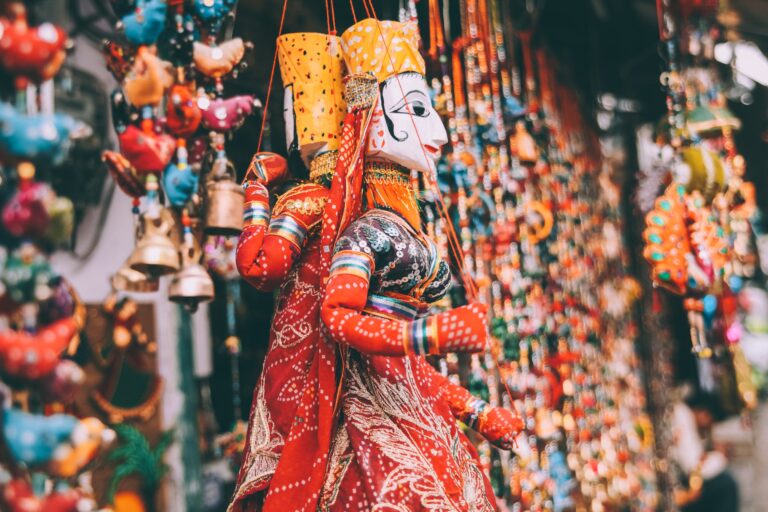
Delhi. Two days, not one. Old Delhi on foot with a guide is the best introduction to the country we know, and a different city from the colonial avenues to the south.
Agra. One night, not a day trip. The Taj Mahal at opening is a different building from the Taj Mahal at eleven, and Agra Fort deserves the afternoon. The Taj is closed to visitors on Fridays.
Rajasthan. The reason most people come. Jaipur for the craft and the scale, Jodhpur for Mehrangarh, the best fort in India and one of the best anywhere, Udaipur for the lakes and the slowness, Jaisalmer for the desert if you have the days. Three of those cities in fourteen days is right. Five is not.
The tiger parks. Ranthambore is the convenient one, close to Jaipur and easy to add. Bandhavgarh and Kanha have better odds and better forest, and cost a travel day each way. Nobody can promise you a tiger: plan three or four safaris and treat a sighting as a bonus rather than the point.
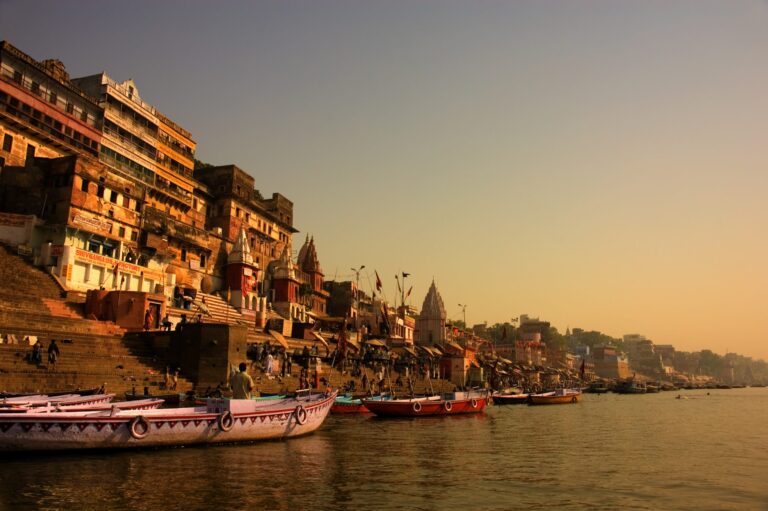
Varanasi. The most confronting place in India, and one of the oldest continuously lived-in cities on earth. Cremations happen in public on the riverfront. Two nights, a sunrise on the water, a guide who can explain what you are seeing.
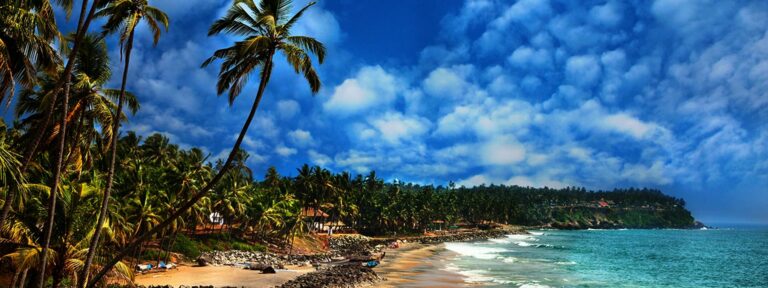
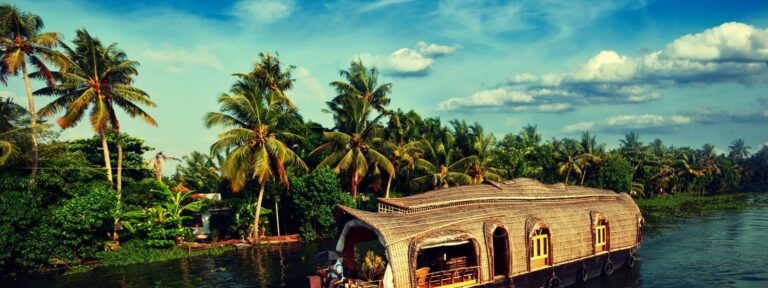
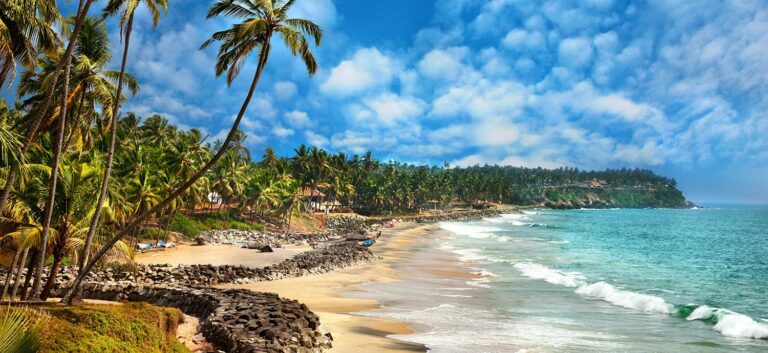
Kerala. The gentlest introduction to India, and the one we recommend for nervous first-timers and families with young children. Fort Kochi, the tea hills at Munnar, a night on a boat in the backwaters, a few days on the coast.
Tamil Nadu. Temple India, in daily use rather than preserved: Madurai, the Chola temples around Thanjavur, the Pallava carvings at Mahabalipuram, the French streets of Pondicherry. Less visited than Kerala and, for people who like history, better.
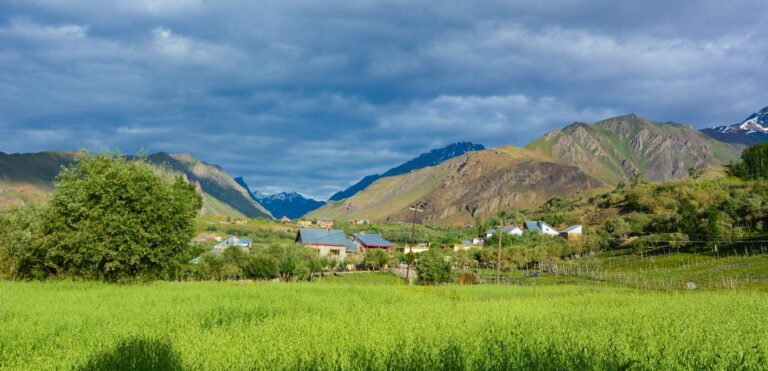
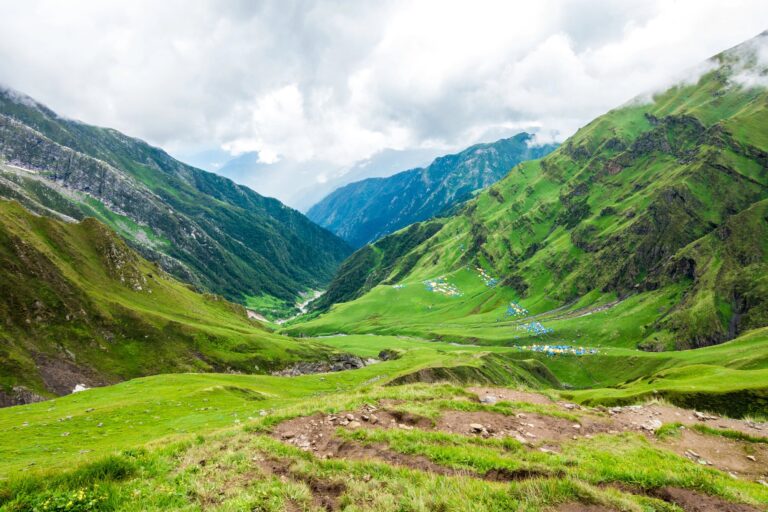
Ladakh and the Himalaya. High-altitude desert, Tibetan Buddhist monasteries and some of the best trekking in Asia, open roughly June to September. A separate trip, not an add-on.
Amritsar. The Golden Temple and its kitchen, which feeds tens of thousands free every day. A short flight from Delhi and one of the most moving places in India.
Eating well, and not getting ill
Indian food is the best reason to go and the thing first-timers are most anxious about. Both are fair.
What works: drink sealed or filtered water and brush your teeth with it. Eat hot food cooked in front of you, which means the busy street stall is often safer than the tepid hotel buffet. Be careful with raw salads, cut fruit you did not cut, and ice in the first few days. Carry rehydration salts. Most people have one uncomfortable day on a three-week trip, and it is usually not the street food that does it. We put you on a guided food walk early because eating street food with someone who knows which stall to use is the fastest way to lose the fear.
Vegetarians have it easier in India than almost anywhere on earth. Large parts of the country eat no meat at all and the vegetarian cooking is the main event, not a substitution. Vegans need more care, because ghee, paneer and curd are everywhere, but it is workable when restaurants are briefed in advance. One note on alcohol: some states are dry, Gujarat and Bihar among them, and dry days apply nationally around certain holidays.
Practical notes from our Delhi office
- Tipping is normal and expected, unlike in parts of Asia. We give you a written list with numbers so you are not guessing.
- Dress. Shoulders and knees covered at religious sites, for everyone. Shoes come off at temples, mosques, gurdwaras and many homes. Some temples do not admit non-Hindus to the inner sanctum, and it is not personal.
- Cash. Cards work in hotels and better restaurants, but markets, rickshaws, tips and small towns are cash. India’s instant payment apps are near universal for residents and awkward for visitors.
- Women travelling. Our female clients travel across India constantly and the great majority report no difficulty, but staring is common and unnerving, and better known in advance than met as a surprise.
- Health. Talk to a travel clinic six to eight weeks out about vaccinations and mosquito-borne risk on your route.
How we build an India trip
Every India itinerary we write is put together by one of five people: our Head of Consulting Mai, our India specialists Shira, Omer and Yael, or Arun, who runs our Delhi office. That office is ours, staffed year round, and covers India, Nepal, Sri Lanka and Bhutan. You get a named person for the whole process, not a queue.
Your $39 plan is written for you rather than pulled from a template, and if you want us to book the trip, the quote is free and carries no obligation. You will see the actual hotels, the driving hours, the flights we would use and the reasoning behind the order of the days, including the stop we removed from your brief and why. Our clients’ reviews come back to that honesty again and again.
When you travel we open a WhatsApp group with your consultant here and our representatives on the ground there, and it stays open until you are home. A delayed train, a guide who does not appear, a plan reworked because fog closed the airport: handled by people in the country, not by a call centre.
Ready to plan it?
Tell us the shape of the trip you have in mind and we will build you a first outline. A plan written for you, and a free, no-obligation quote if you want us to book.
Keep reading
- The eight India itineraries we build most often
- How much does two weeks in India really cost?
- The best time to visit Rajasthan, month by month
- The India e-visa, explained without the resellers
- Which tiger park, and what your odds actually are