- Duration
- 21 days
- Pace
- Moderate
- Hotel changes
- 9
- Best months
- Oct, Nov, Dec, Feb, Mar
- From
- $4,590 per person
This itinerary does both, honestly, with one long flying day in the middle and no attempt to pretend that day is anything other than a travel day. It is the longest route we publish and the one we would choose ourselves.
Who it suits: travellers with the time to do it once and properly, retired travellers, and second visits that want the half they missed.
Your specialist: your named India specialist, with our Delhi office running the northern half and our southern ground team the rest.
Day by day
Days 1 and 2: Delhi. Arrival with nothing scheduled, then a full day: Old Delhi on foot and by rickshaw in the morning, Humayun’s Tomb and Sunder Nursery in the afternoon, and Qutub Minar if there is appetite for a third.
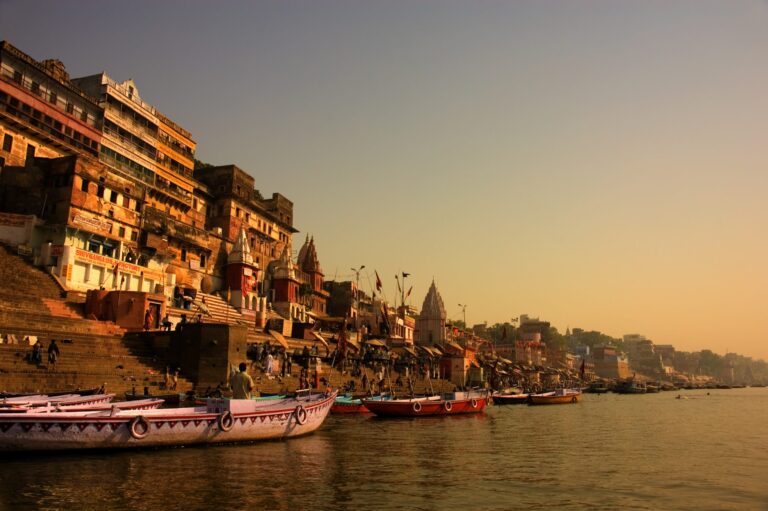
Days 3 and 4: Varanasi. Fly in, ninety minutes. An evening on the river for the aarti ceremony, seen from a boat rather than from the crush of the ghat, and a sunrise the following morning when the whole city comes down to the water to wash, pray, wrestle and do laundry. Sarnath, where the Buddha gave his first sermon, in the afternoon. Varanasi is the most confronting place in India. Cremations happen in the open, photography of them is forbidden, and the touts around the burning ghats asking for wood donations are running a scam. Your guide handles all of it.
Days 5 and 6: Agra. Fly to Delhi and continue by fast train, arriving mid-afternoon for Agra Fort. The Taj Mahal at opening the next morning, then Itmad-ud-Daulah, the small tomb that prefigures the Taj and that almost nobody visits, and Mehtab Bagh at sunset.
Days 7 to 9: Jaipur. Five hours by road, stopping at Fatehpur Sikri. Then Amber Fort at opening by jeep, Jantar Mantar and the City Palace, a block printing workshop, the bazaars of the old city, and a free day.
Days 10 to 12: Udaipur. Fly from Jaipur, one hour, rather than driving for six. The City Palace, a private boat on Lake Pichola at dusk, a day trip into the Aravallis or the Ranakpur Jain temple, and a genuinely empty day at the end.
Day 13: The crossing. Udaipur to Kochi, via Delhi or Mumbai, most of a day in the air and in terminals. We do not dress this up. Arrive Fort Kochi in the evening.
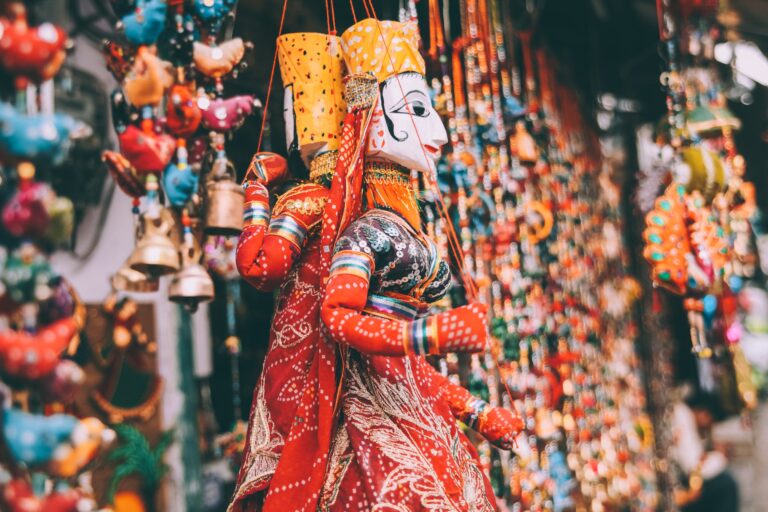
Day 14: Kochi. The fish market and the Chinese nets at first light, then Mattancherry: the spice godowns, the synagogue, the old trading streets. Kathakali in the evening, arriving early for the make-up.
Day 15: The backwaters. To Kumarakom and aboard a private boat at midday, through the narrow paddy channels, moored overnight away from the houseboat traffic.
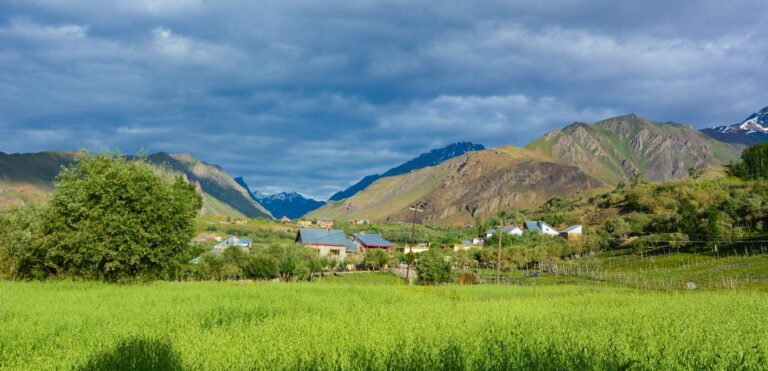
Days 16 and 17: Munnar. Four and a half hours up into the Western Ghats. A working tea estate with a planter, the factory, Eravikulam National Park for the Nilgiri tahr, and a cold morning at altitude, which after Rajasthan is a pleasant shock.
Days 18 and 19: Madurai. Down the eastern ghats into Tamil Nadu. The Meenakshi temple at dawn and again for the night ceremony, the flower market, and a day trip into Chettinad for the merchant mansions and the best cooking in the south.
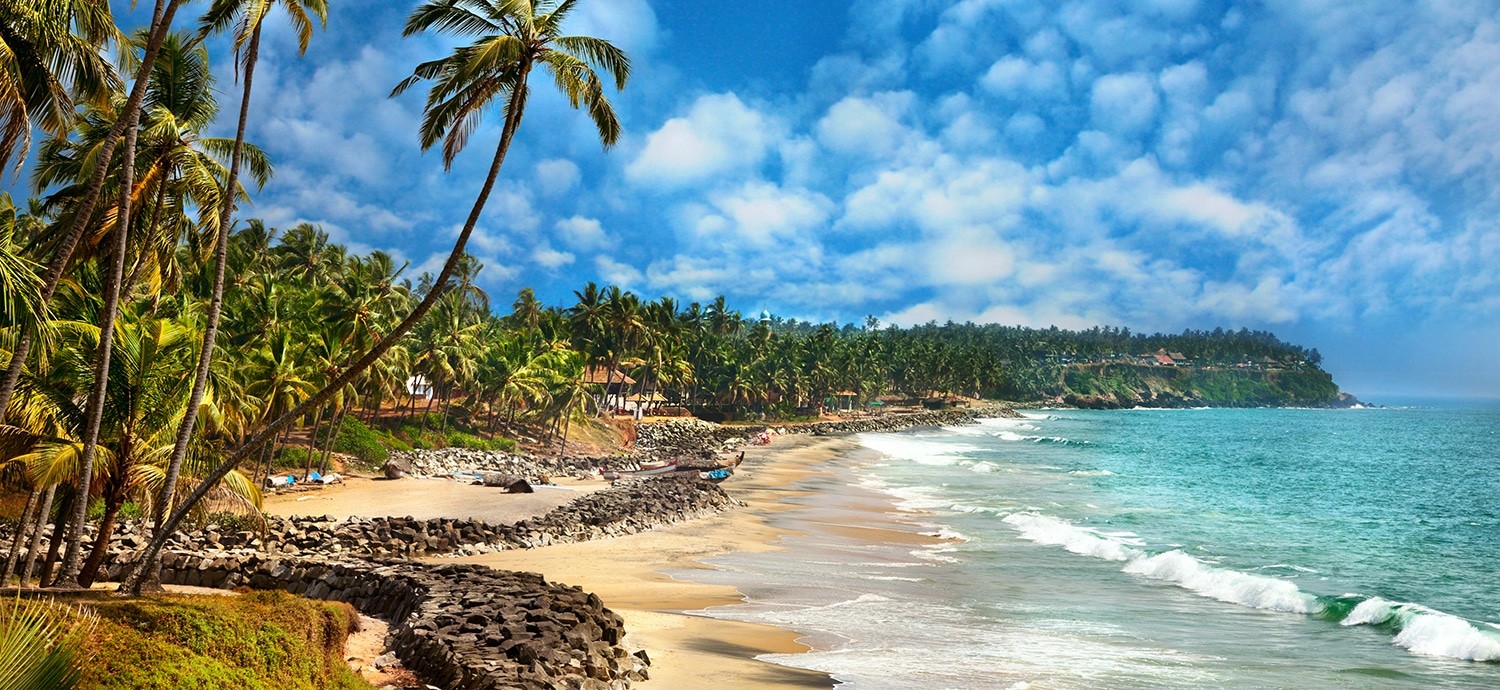
Day 20: Mahabalipuram. Six hours up the coast, broken at Thanjavur or Pondicherry depending on what you have enjoyed most so far. The Shore Temple and the rock-cut rathas in the last light.
Day 21: Departure from Chennai, ninety minutes away.
What is included
Accommodation with breakfast throughout, three internal flights, the Delhi to Agra train, private air-conditioned cars and drivers in both halves of the country, a private backwater boat with crew and full board, guides on nine days including Varanasi where you genuinely need one, the tea estate walk, the Jaipur workshop, the Kathakali performance, all entries, a document with real driving and flying hours, and a WhatsApp group with your consultant here and our people on the ground for three weeks.
Honest notes
Two travel days are heavy. Day 5, Varanasi to Agra via Delhi, and day 13, Udaipur to Kochi, are both most of a day. There is no clever routing that removes them, because there is no useful direct flight, and anyone who tells you otherwise is showing you a schedule that runs twice a week.
The climate change is abrupt. You go from dry Rajasthani heat and cold desert nights to Keralan humidity in a single afternoon. Pack for both, and expect the first southern day to feel harder than it should.
Varanasi is not for everyone. Some travellers find it the most extraordinary place they have been. Others find it distressing and would rather have spent the two days elsewhere. We would rather ask you honestly at the planning stage than have you find out on the ghats. If it is not for you, Amritsar or Khajuraho and Orchha take those days well.
What we would cut if this became 18 days. Varanasi, and put the time into Rajasthan. Not because it is less interesting, but because two nights there is the minimum that works, and a rushed Varanasi is worse than none.
Do not try this in 16 days. We are asked regularly. It becomes a schedule rather than a holiday, with nine hotel changes compressed into two weeks and no unscheduled time anywhere. If you have 16 days, do the north properly and keep the south for another trip.