- Duration
- 9 days
- Pace
- Relaxed
- Hotel changes
- 4
- Best months
- May, Jun, Sep, Oct
- From
- $1,665 per person
This route is built to correct that. It goes to the places where a dish belongs to the town rather than to the country: piti and halva in Sheki, lavangi in Lankaran, saj in the Shamakhi hills, and the Baku table that pulls it all together. It also spends time on craft, because in Azerbaijan the two are the same subject: the copper pans in Lahic, the carpets in the Quba workshops and the shebeke windows in Sheki are all made by hand by people who will let you watch.
Who it suits: travellers who plan trips around what they will eat, and anyone who likes a country better when they have watched something being made. No demanding walking.
Your specialist: a named Azerbaijan specialist here, with our long-standing Baku partner running the ground.
Day by day
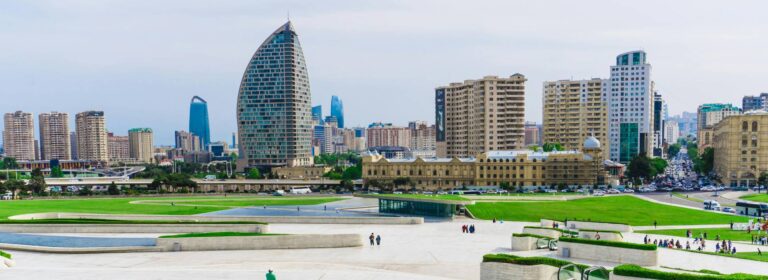
Day 1: Arrive Baku. Transfer, forty minutes, room held from the previous night. Evening walk on the Boulevard and a first dinner we book, chosen to be a proper introduction rather than a hotel restaurant: dolma in four forms, dushbara, and the local sturgeon if the season and the sourcing are right.
Day 2: Baku markets and a kitchen. Morning at the Yashil Bazaar for the herbs, the pickles, the pomegranate molasses, the sumac and the cheese, with a cook rather than a general guide. Then into a home kitchen for the afternoon to make plov the Azerbaijani way, which is not the Uzbek way: rice and topping cooked separately and brought together at the end, with a saffron crust. Eat what you made. Evening free, which you will want.
Day 3: Qutab, tea and the old city. A morning on foot in Icherisheher with a guide who works on food history: the caravanserai trade, the spice route, the Persian and Ottoman layers in what is on the table. Lunch is qutab, thin folded flatbread with greens, pumpkin or lamb, made in front of you on a saj plate. Afternoon at the Carpet Museum, which explains a craft you will meet again in Quba, and then tea in an armudu glass with jam eaten from the spoon rather than stirred in. Dinner in the streets around Fountain Square.
Day 4: South to Lankaran. Four and a half hours down the Caspian coast into the subtropical south, which is the day most Azerbaijan itineraries leave out and the one this route is built around. The Talysh mountains, tea plantations and citrus. Dinner is lavangi, chicken or fish stuffed with a walnut, onion and sour-plum paste and baked, and it is the best dish in the national repertoire. Night in Lankaran.
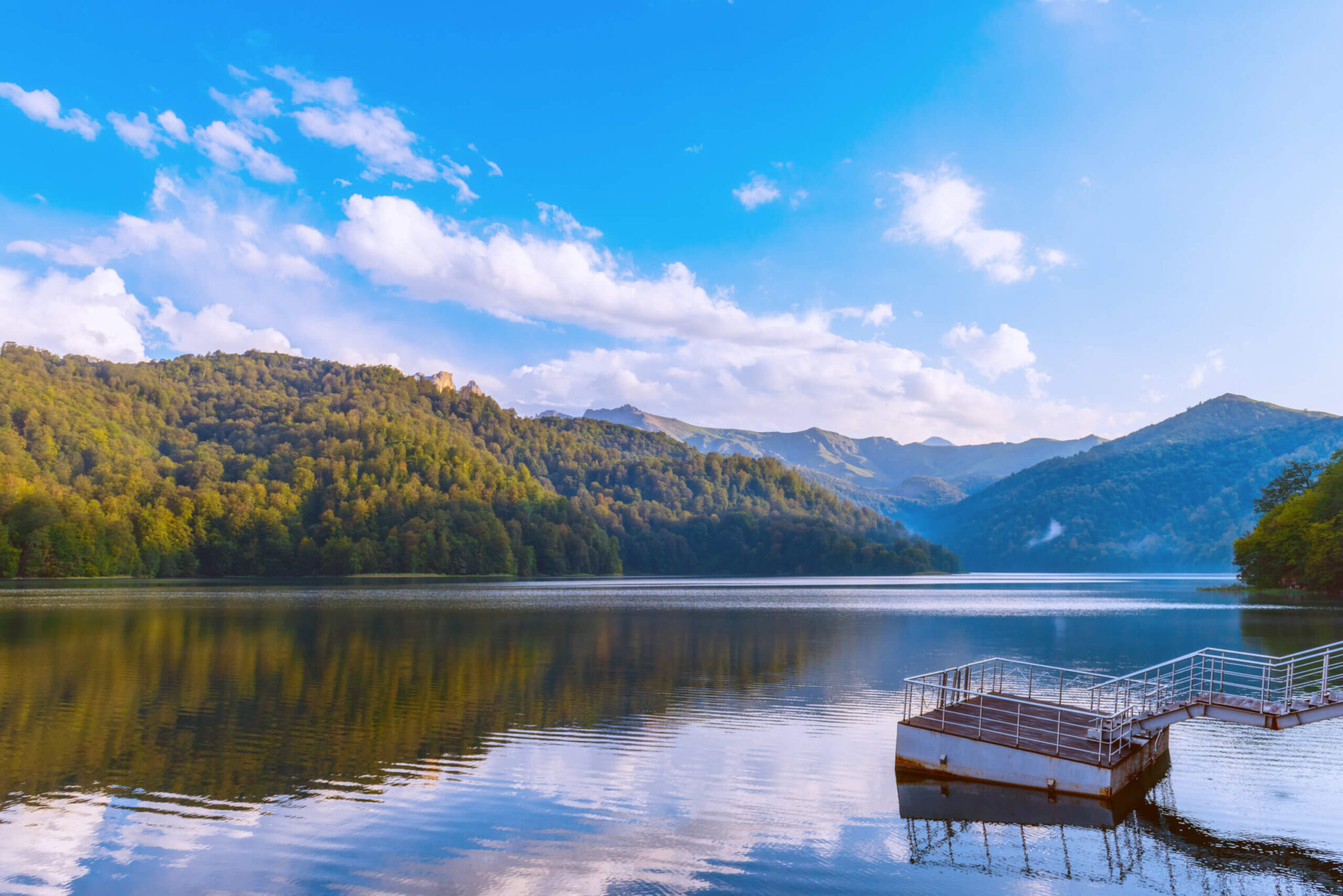
Day 5: Lenkoran tea and the Hirkan forest. Morning at a tea estate in the hills, where black tea has been grown since the Soviet period and is being made properly again by a couple of small producers. Then a walk in the Hirkan forest, which is a relict woodland of species that survived the last ice age here, an easy two hours. Lunch at a village table. Afternoon drive back north to Baku, four and a half hours, arriving for dinner.
Day 6: West to the wine hills. Out of Baku mid-morning with a stop at Shamakhi. Then to an Ismayilli wine estate for the night: a tasting with the winemaker, the Madrasa reds, and dinner cooked over vine wood. Azerbaijani wine is fifteen years into a serious effort and it is better than its reputation, which is currently no reputation at all.
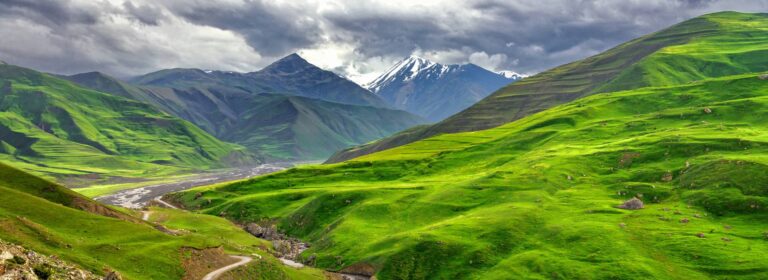
Day 7: Lahic copper, then Sheki. Up the gorge to Lahic in the morning, on the single-track road, for the copper workshops. Sit with a smith for an hour: the tinning, the chasing, the patterns that are specific to this village. Buy a pan that will outlive you. Then two and a half hours to Sheki. Two nights.
Day 8: Sheki, the best eating in the country. Piti for lunch, which is mutton, chickpeas, chestnuts and saffron baked overnight in a sealed clay pot and eaten in two courses out of the same pot, and which your guide will show you how to do because doing it wrong is easy. Then a shebeke workshop, where coloured glass is set into a wooden lattice with no nails and no glue, and the Palace of the Shaki Khans to see the finished thing at full scale. Late afternoon in a halva kitchen: Sheki halva is layered rice-flour noodle pastry with nuts and syrup and it bears no relation to the halva you know. Dinner in the caravanserai courtyard.
Day 9: Back to Baku, and out. Four and a half hours east with a village lunch on the way, or a stop at a roadside bread oven, which is worth more than a restaurant. Afternoon in Baku, a day room if the flight is late, and a last dinner if there is time.
What is included
Eight nights of accommodation with breakfast, including one at a working wine estate, a private car with an English-speaking driver on every day of travel, licensed English-speaking guides on five days including two food specialists, the market and home kitchen session in Baku, the tea estate visit, the winery tasting and dinner, the copper workshop hour in Lahic, the shebeke workshop, the halva kitchen, the piti lunch, all entries, a day-by-day document, and a WhatsApp group with your consultant and our Baku partner team for the whole trip.
What we would change, and when
- Not interested in the south? Cut Lankaran and its two days, add a night at Quba for the carpet workshops and the orchards, and this becomes a seven-day route. You lose lavangi, which we think is a mistake.
- Vegetarian? Workable and better than you would expect. Qutab with greens, dolma with rice and herbs, the whole pickle and cheese tradition, and the walnut pastes. Meat is central here so it needs planning in advance, and we brief every kitchen in Azerbaijani before you arrive.
- Travelling in September or October? Best possible timing. The pomegranate harvest is in October and Goychay holds a pomegranate festival, and the walnut and quince season overlaps.
- Want to drink seriously? Add a night in the Shamakhi hills and a second estate. Do not expect a Kakheti-scale wine region, because it is not one.
Honest notes
The drive to Lankaran and back is nine hours of car across two days. That is the price of the best food in the country and we think it is worth paying, but you should know the number before you agree to it. If you would rather not, say so and we will build the northern version.
Restaurant culture outside Baku is thin. In Sheki and Lankaran the good eating is in specific places we know and at village tables we arrange, not in a scene you can wander into. That is exactly what a local partner is for and it is the reason this route works.
Sturgeon and caviar are on menus in Baku. Caspian sturgeon stocks are in a bad state and the legal supply is limited to farmed fish. We use one or two sources we trust and we will tell you what you are eating.
Baku is polished and the provinces are not. The rooms in Lankaran and Ismayilli are good rather than luxurious and the food in them is better than the rooms.
The land border with Armenia is closed and this route does not approach it.
Built by your named Azerbaijan specialist, checked against notes our founder made in the field.