
Japan is one of the easiest countries in Asia to travel with children, and the age of your youngest child decides how the trip should be built, more than the season or the budget. Trains run to the minute, the streets are safe, the food is mild and the toilets are spotless. What catches families out is not Japan itself but the pace: too many hotel changes, too many temples in a row, and too many station staircases with a stroller. This guide goes age by age, then covers the practical things that make or break a family trip.
The fares, ticket rules and dates below were checked against the official JR, Japan Rail Pass and Ghibli Museum sites in October 2026. If you want a ready-made route rather than principles, our 12-day Japan with children itinerary puts all of this into practice.
Which age works best for Japan?
There is no bad age, but each one wants a different trip.
Babies and toddlers, up to about 3
Easier than most parents expect. Baby rooms with changing tables and hot water for formula are in every department store, most large stations and many malls, and convenience stores sell nappies, baby food and wipes around the clock. The hard part is movement, not care: big stations such as Shinjuku, Tokyo and Osaka have lifts, but they are often at the far end of the platform, and the crowds at rush hour make a full-size stroller miserable. We plan this age around two or three bases at most, a light folding stroller plus a carrier, and no train journeys between 7:30 and 9:30 in the morning.
Ages 4 to 7
The age where a little Japan goes a long way. Children this age love the things adults barely notice: the bullet train arriving at the platform, vending machines on every corner, plastic food in restaurant windows and the deer in Nara. They tire quickly in temples. We keep sightseeing to mornings, give every afternoon a park, a playground or a pool, and choose one big experience in Tokyo, either Tokyo Disney Resort or teamLab, rather than trying to fit in both.
Ages 8 to 12
Our favourite age for a first family trip to Japan. Children can walk a full day, they are old enough to remember it, and they are young enough to be delighted by it. This is the age for a ninja or samurai workshop in Kyoto, a sushi or wagashi class, the Ghibli Museum, the Pokémon Center and an afternoon in an arcade. It is also the age when children start reading the train map before you do.
Teenagers
Japan is unusually good for teenagers because it gives them independence. A 14-year-old can safely go out for an hour in Shibuya or Dotonbori and come back, and many do. We give teenagers ownership of parts of the route: anime and gaming districts in Akihabara and Nakano, street fashion in Harajuku, a day of skiing or snowboarding in winter, a walking day on the Kumano Kodo or a cycling day in the countryside around Kyoto.
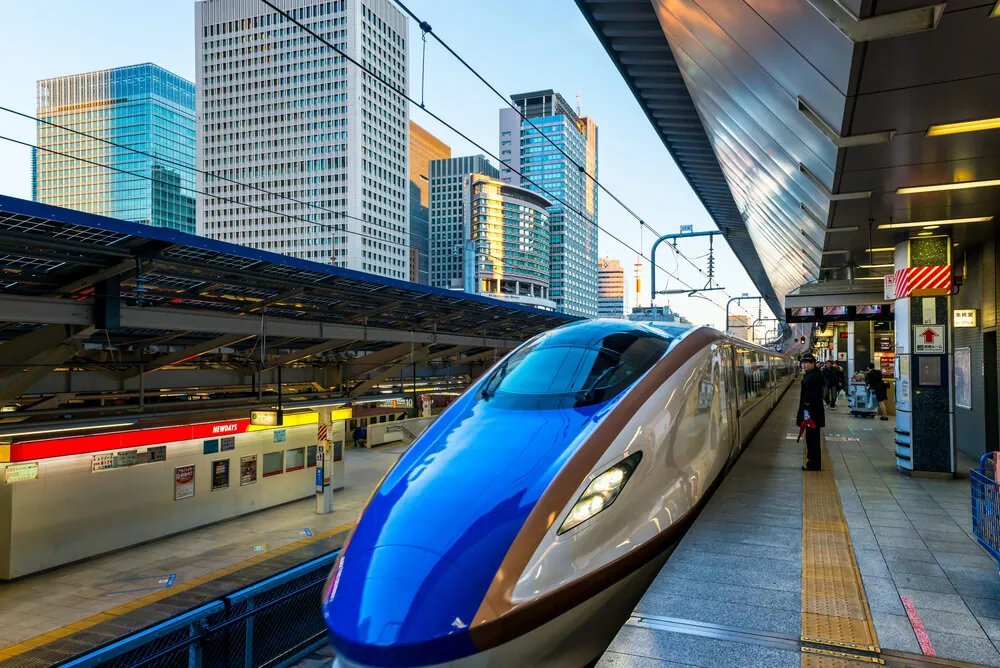
Getting around with children: trains, fares and luggage
Rail is the backbone of almost every family trip to Japan, and the child rules are generous.
- Under 6: on JR, up to two children aged 1 to 5 travel free with each paying adult, as long as they sit on your lap or share your seat in a non-reserved car. If you want a reserved seat for them, which we recommend on any journey over an hour, you pay the child fare.
- Ages 6 to 11: half the adult fare, including the express and reserved-seat supplements.
- 12 and over: adult fare.
- Japan Rail Pass: children aged 6 to 11 pay half the adult price. Whether the pass is worth buying at all depends on the route; on many family itineraries with only two long rail legs it is not. We worked through the numbers in is the Japan Rail Pass worth it.
Luggage is the second thing to plan. On the Tokaido, Sanyo and Kyushu shinkansen, a suitcase whose length, width and height add up to more than 160 centimetres needs a seat reserved with the oversized baggage area, and it is easy to miss when booking. The better answer for families is luggage forwarding: hotels send suitcases to the next hotel for a modest fee, usually arriving the next day, and you travel with one overnight bag each. We build forwarding into almost every family route.
One more rule surprises parents: Japanese law requires a child seat for children under 6 in private cars, but not in taxis, and most taxis do not carry them. If you need private transfers with a child seat, they have to be booked in advance.
Where to stay: the room problem
The single most common mistake we see in family trips that people plan themselves is the hotel room. Standard rooms in Japanese city hotels are small, and many are booked for a maximum of two or three people. A family of four often cannot fit in one room, even with small children.
There are three good solutions. Connecting rooms, which exist in fewer hotels than you would think and must be requested early. Apartment-style hotels, which give you a small kitchen and a washing machine, very useful halfway through a trip. And, for at least one night, a ryokan with a Japanese-style room, where futons are laid out on tatami for the whole family and dinner is served in the room. Many ryokan also have a private family bath, which solves the question of how a family uses the onsen together.
Tokyo with children
Tokyo is enormous, so the district you stay in matters more than the hotel. For families we prefer areas with parks and a quieter evening, close to a main JR line, rather than the busiest nightlife hubs.
- teamLab: the digital art museums are the most reliable hit we know for every age, from toddlers to grandparents. Book a time slot a few weeks ahead.
- Tokyo Disney Resort: Disneyland suits younger children, DisneySea suits ages 8 and up and adults. Children under 4 enter free. Weekdays outside school holidays are far calmer.
- The Ghibli Museum in Mitaka: tickets go on sale on the 10th of each month at 10:00 Japan time for the whole of the following month, and popular days sell out within minutes. Children’s tickets are 400 yen for ages 7 to 12 and 100 yen for ages 4 to 6. Details are on the official museum site.
- Ueno and Asakusa: the zoo and the park in the morning, then a rickshaw ride in Asakusa, which children remember longer than the temple behind it.
Kyoto, Nara and Osaka with children
Kyoto is beautiful and also easy to overdo. Pick two temples, not six. Fushimi Inari works for children because the thousands of red gates feel like a tunnel to explore, and going before 8:00 avoids the crowds. Arashiyama gives you the bamboo grove, a monkey park on the hill and boats on the river.
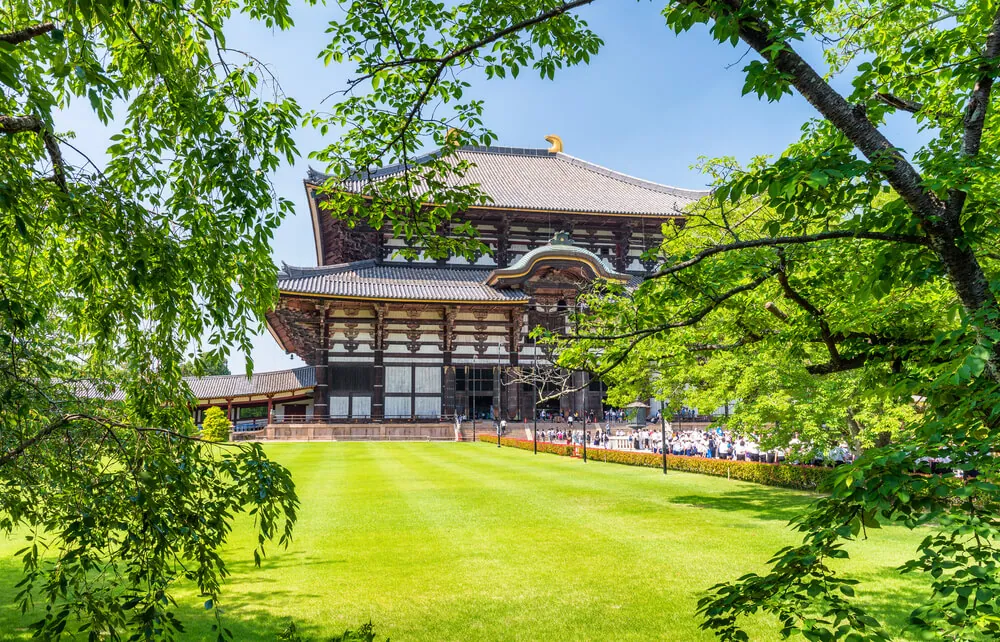
Nara is under an hour from Kyoto and is often the highlight for young children. More than a thousand deer roam the park, and they bow for the deer crackers sold at stalls. A practical warning: the deer know exactly where the crackers are and can nip or push small children, so hold the crackers high and give them out quickly.
Osaka is the most relaxed of the three for families. The aquarium is one of the best in the world, Dotonbori at night is a show in itself, and the street food is made for children who are suspicious of anything unfamiliar.

Food: easier than parents fear
Japanese food is far friendlier to children than its reputation. Rice, noodles, gyoza, tempura, katsu, grilled chicken and omelettes are on almost every menu, and family restaurants often have a children’s set. Convenience stores are a lifeline: rice balls, sandwiches, yoghurt, fruit and a clean place to buy breakfast at 6 in the morning when jet lag wakes everyone up.
Two things are worth knowing. Food allergies are taken seriously, but communication is the challenge, so carry an allergy card written in Japanese. And many small restaurants are tiny, with a dozen seats and a queue outside. With children, book dinner in advance or eat early, before 18:00.
Beyond the cities: nature and snow
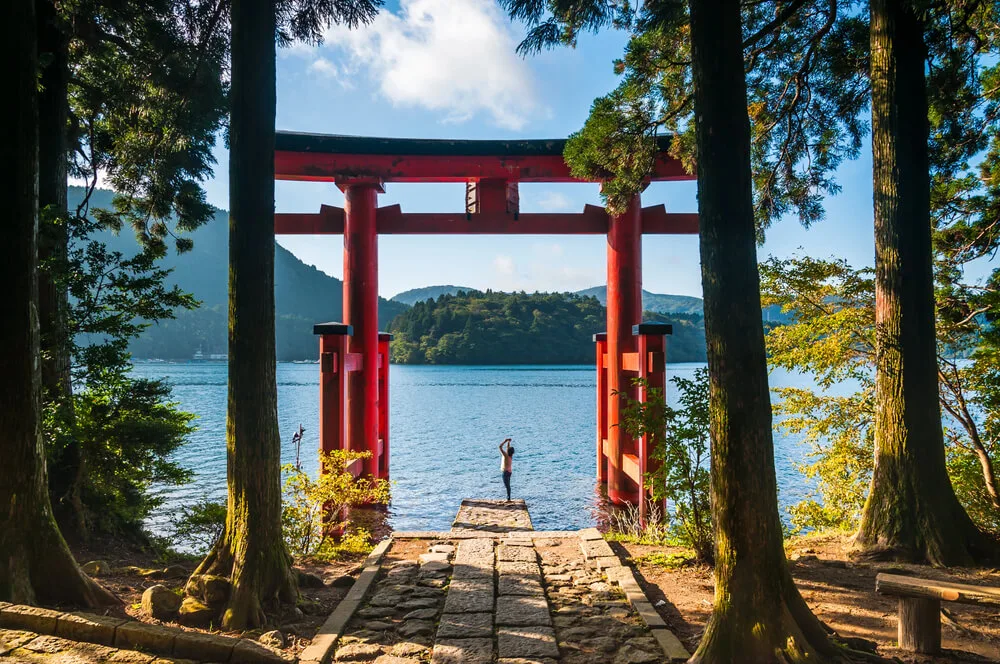
A family trip to Japan gets better when it includes a few days outside the big cities. The Fuji lakes and Hakone are under two hours from Tokyo and offer ropeways, boat rides and onsen. Hakone’s lake, with the red torii gate standing in the water, is a favourite stop.
Older children and teenagers can handle a walking day on the Kumano Kodo, the ancient pilgrimage trail through cedar forests south of Osaka. In winter, Hokkaido and the Japanese Alps have some of the best family skiing in the world, with ski schools that teach children in English and powder snow that makes falling down soft.
When to go with children
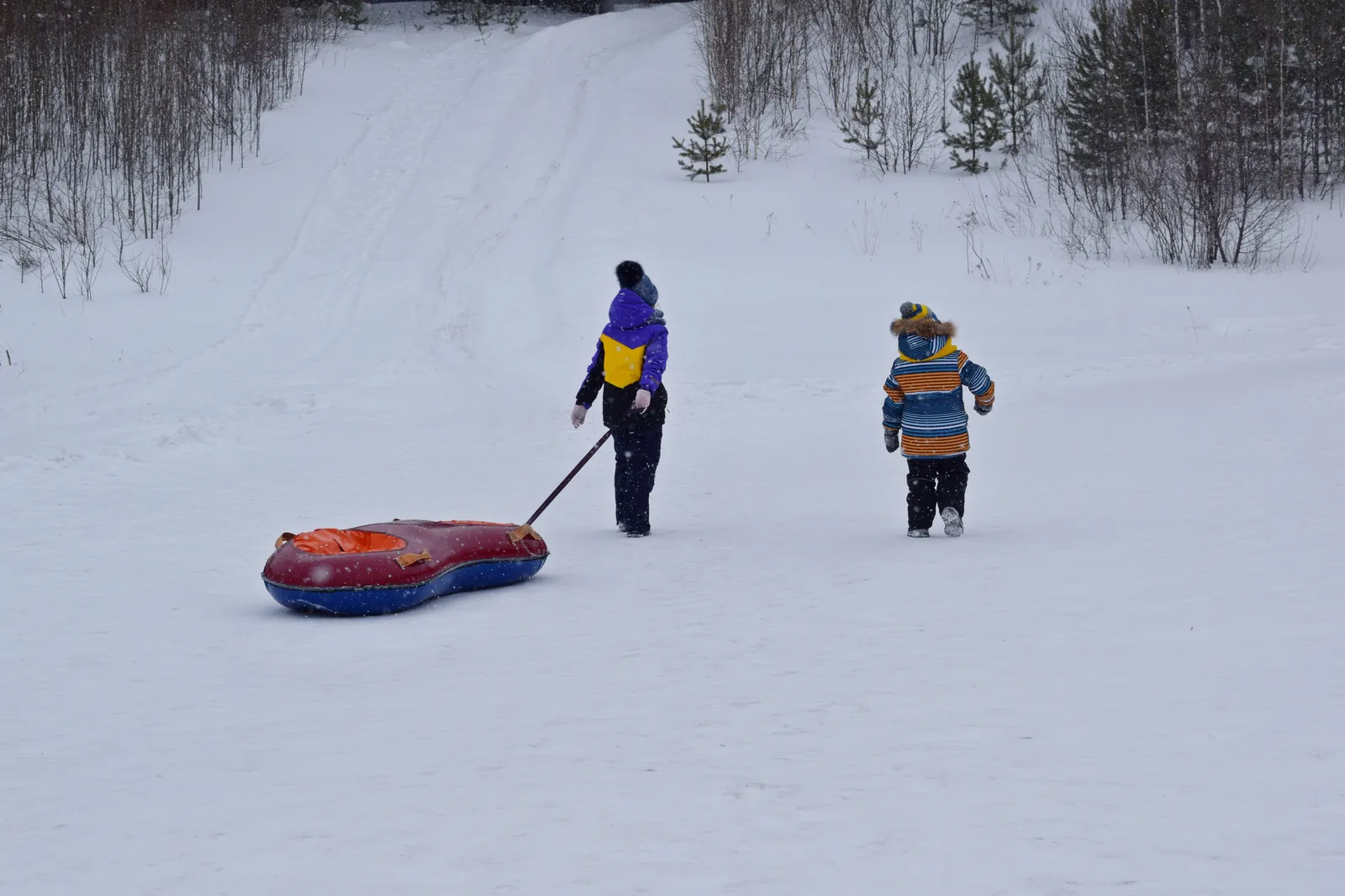
School holidays usually decide the dates, and that is fine: Japan works in every season with the right route. Spring and autumn are the most comfortable. Summer is hot and humid in Tokyo and Kyoto, so we move part of the trip north to Hokkaido or to the mountains. Winter is cold, bright and dry in the cities, and perfect for snow. The dates to avoid are Japan’s own holidays: Golden Week from 29 April to 5 May, Obon in mid-August and New Year from 29 December to 3 January. Month by month details are in Japan month by month: when to go.
How many days, and how many hotels?
For a first family trip, 12 to 14 days is the comfortable length. The rule we use is simple: at least three nights in every base, and no more than four hotels in two weeks. A typical route is Tokyo, a night or two at the Fuji lakes or in Hakone, Kyoto as a base with a day trip to Nara, and Osaka at the end, flying out from Kansai. If you have less time, cut a city rather than shortening each stay. More on trip length in how many days you need in Japan.
Three mistakes we see families make
- Changing hotels every one or two nights. Children can manage long days of sightseeing, but not packing and unpacking every morning.
- Booking a standard double room for a family of four. In most city hotels it will not be allowed, and when it is, it will be cramped.
- Leaving the key tickets to the last minute. The Ghibli Museum, teamLab, Disney on weekends and the most popular family ryokan sell out weeks or months ahead.
Plan this trip
Tell us your dates and your children’s ages, and we build your trip as a $39 day-by-day plan, with family rooms or connecting rooms, recommended hotels by level, and every train and transfer set out step by step. For the wider picture, start with our Japan trips or see which Asian country is easiest with children.
Keep reading
- Japan with children: 12 days that work for everyone
- Japan month by month: when to go
- Is the Japan Rail Pass still worth it?
- How much does two weeks in Japan really cost?
- Japan: the complete guide to planning your trip