The city is laid out on a north to south axis, ringed by roads that were once walls, and its best hours are between six and nine in the morning. Almost everything below is a decision about when rather than what. Get the timing right and Beijing is one of the great city visits in Asia. Get it wrong and it is four days of queueing in a very large courtyard.
The districts, and what each one is for
Inside the second ring road is the historic city. The Forbidden City sits at the centre, the hutong lanes spread north and east of it around the Drum Tower and the Houhai lakes, and the Temple of Heaven sits to the south. This is where you should be staying, within walking distance of a lane, not in the business district out east.
The hutongs are the low grey brick lanes of courtyard houses that were most of Beijing until the 1990s. Some are restored and full of coffee shops, some are lived in and full of cabbage, bicycles and card games. Both versions are worth an hour and they are ten minutes apart.
The north-west, out past the third ring, holds the Summer Palace and the university district. It is a half day and a taxi ride, and worth both if you go early.
The east and the north-east is contemporary Beijing: the embassy district, the malls, and the 798 art district, a Bauhaus-planned factory complex converted into galleries.
The south, around the Temple of Heaven and Qianmen, is older, lower and less visited by foreigners, and it is where an evening walk feels most like the city rather than the capital.
The honest verdicts
Before the plan, the part that saves you time.
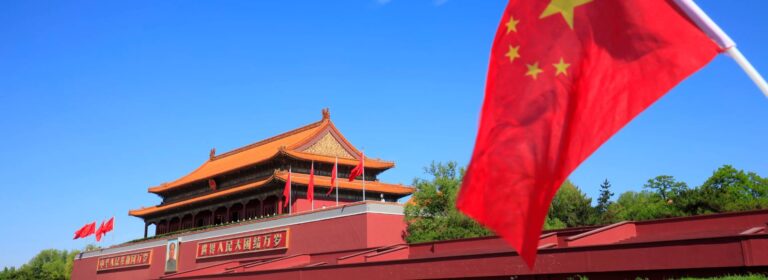
The Forbidden City: yes, with a guide, at opening. It is 180 acres and the difference between a guided two and a half hours and an unguided four is enormous. Enter as it opens, walk the central axis, then get out of the middle and into the side courtyards where the objects are.
The Great Wall: yes, a full day, and not at Badaling. Badaling is the closest section to the city, the most restored and by a wide margin the most crowded. Mutianyu is restored, walkable, cable-car served and has real views. Jinshanling is largely unrestored, a two to three hour ridge walk on original wall with watchtowers every few hundred yards and almost nobody on it. We choose between them based on your dates and your legs, and we tell you which and why.
The Temple of Heaven: yes, at seven in the morning. The building is the postcard. The reason to go is the park around it, which at dawn holds tai chi, ballroom dancing, sword forms, choirs, card games, calligraphy written on the paving in water and retired men walking their birds. It is the best hour in Beijing and it is over by nine.
The Summer Palace: yes, early. A royal park around a lake, best on a clear morning and unpleasant in the middle of a July afternoon.
The Lama Temple: yes, and it is short. An active Tibetan Buddhist temple with an eighty foot (24 m) Buddha carved from a single sandalwood trunk, an hour, and it pairs with the Confucius Temple across the lane.
798: yes if you like contemporary art, half a day. It has been commercial for years and the good galleries are still good.
Nanluoguxiang: no. The famous hutong shopping lane is now a queue for novelty snacks. Wudaoying and Fangjia, ten minutes away, are the same idea with people living on them.
Wangfujing snack street: no. The scorpions on sticks are a photograph, not a meal, and they are aimed at domestic tourists rather than at you. Eat where the queue is Chinese and the menu has no pictures.
The Olympic Green: no. Impressive from a taxi window in 2008, empty concrete now.
The Ming Tombs: usually no. Long approach, modest reward, and often bolted onto a Great Wall day in a way that ruins the wall day. If you love the period, go properly and give it a morning.
The tourist acrobatics and opera shows: a qualified no. The full-length opera is genuinely hard going for a first-timer. If you are curious, our team books a short programme at a small theatre rather than the two-hour version in a hotel ballroom.
The four-day shape
Day one: the axis, early
Temple of Heaven park at opening, before eight, and give it ninety minutes in the park before you look at the building. Then north into the old southern city for a bowl of noodles.
Afternoon in the hutongs on foot around the Drum and Bell Towers and Houhai: a courtyard we can get you into, the lanes that are still residential, and a rooftop or lakeside seat at the end of it. Sunset at Jingshan park, on the hill directly behind the Forbidden City, which gives you the view over the golden roofs that explains the whole layout of the city you are about to walk through tomorrow.
Day two: the imperial city
The Forbidden City at opening with a guide, two and a half hours, out through the north gate before the tour groups reach the inner courts. Afternoon free, or Beihai park next door, which is where the emperors went to relax and where Beijing still does.
Evening at a Peking duck house our partner team books, ideally an older one with fruitwood-fired ovens and carving at the table, rather than the branch on the tourist list. More on what to order across the country in what to eat in China.
Day three: the Great Wall
The whole day, with a car and a guide. Leave the city by seven thirty if you want the wall to yourself for the first hour, which is the entire point. Lunch in a village below the wall rather than at the visitor centre. Back in the city by late afternoon, and plan nothing demanding for the evening.
This is the day people remember from a China trip, and which section you visit changes it completely. If you want the ridge walk rather than the cable car, say so early, because it changes which hotel pick-up time we book.
Day four: your own Beijing
Three good versions, and we pick with you.
- The park version. Summer Palace early, lunch in the university district, afternoon free.
- The modern version. 798 in the morning, the Lama Temple after lunch, the Wudaoying lanes for the last hour.
- The market version, weekends only. Panjiayuan antique market at seven in the morning, which is the most entertaining two hours in the city, then a slow lunch and a bathhouse or a tea house.
Practical notes
Distances are larger than the map suggests. The Forbidden City alone is a mile end to end and the blocks around it are enormous. Use the metro, which is excellent, cheap and signed in English, and take a taxi when you are tired.
Every payment is a QR code, including the metro and the taxi. Sort this out before you fly. It is covered in paying for things in China.
Winter and summer both need planning around. July and August sit around 88F (31C) with humidity, and the palace courtyards have no shade. From November to March air quality is at its least reliable, so we keep the northern days flexible and build indoor alternatives. The month by month picture is in when to go.
Three full days is the minimum and four is the number we use. Two days means the Forbidden City and the wall and nothing else, which is a shame in a city where the parks at dawn are the memory people actually keep.
Plan this trip
Tell us your dates and the places you want to see, and we build your trip as a $39 day-by-day plan, with recommended hotels by level and every transfer set out step by step.
Keep reading
- China: the complete guide to planning your trip
- China month by month
- What to eat in China
- What we would skip in China
- Boutique China in 12 days
- All our China trips