That is why we plan Seoul by neighbourhood rather than by monument. A day spent walking one district, eating in it and finishing in it will teach you more about Korea than a day spent moving between four sights on a list. Four days is the right length, and three is the most common regret in our Korea files.
Where to stay, which decides half the trip
Seoul’s subway is excellent, cheap and signed in English throughout, so nowhere central is badly connected. The neighbourhood still matters, because it determines where you end up in the evening when you are tired.
| Area | Character | Suits |
|---|---|---|
| Jongno and Seochon | North of the river, next to the palaces, old lanes and small restaurants | First visits. Our usual answer |
| Myeongdong | Central, busy, heavily commercial, hotels of every grade | Convenience above all else. We rarely choose it |
| Euljiro and Jung-gu | Old print shops and grill houses, now the most interesting evening district | Second visits, and anyone who eats seriously |
| Itaewon and Hannam | International, hilly, good bars, the Leeum museum | People who want a night out |
| Gangnam | South of the river, wide roads, business hotels, the luxury names | Business trips, and shopping |
| Seongsu | Converted factories, coffee, design shops | Long stays, and returning visitors |
Our default for a first visit is Jongno or Seochon. You can walk to the palaces before the coaches arrive, and the evening food is fifteen minutes away on foot rather than twenty minutes on the subway.
Day one, the old city, north of the river
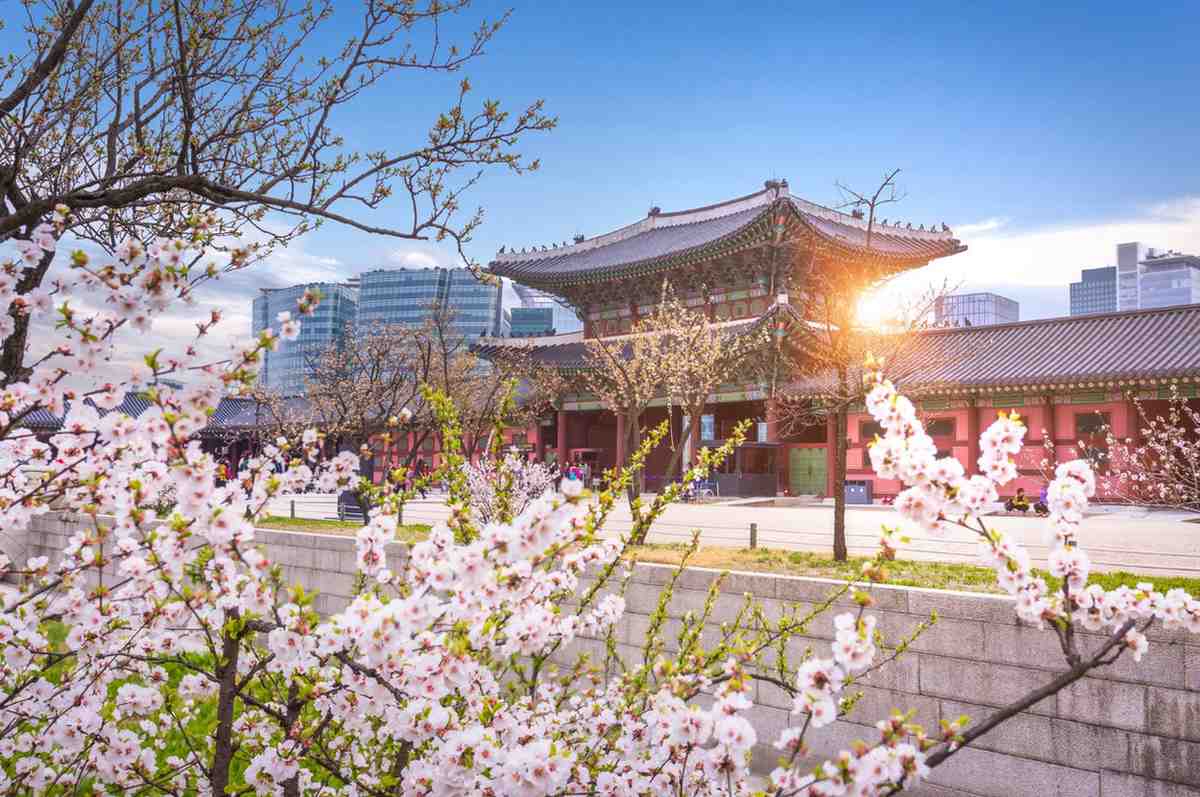
Morning. Gyeongbokgung, early. The largest of the five royal palaces and the most photographed. Go at opening. By ten it fills with tour groups and hanbok rental parties, and hanbok wearers enter free, which is worth knowing if you have children or an inclination.
Late morning. Changdeokgung and the Huwon. Fifteen minutes east on foot, and the better palace. The rear garden, the Huwon, is the finest thing among the royal sites and is visitable only on a timed guided ticket in small numbers. Slots are released in advance and go quickly for weekends. We book it as part of the trip because turning up and hoping does not work.
Afternoon. Bukchon, on foot and quietly. The hanok lanes between the two palaces are a residential neighbourhood that has asked visitors to keep quiet hours and to stay out of private courtyards, and we route around the worst-affected streets rather than joining the crush. Continue west into Seochon, which is the same architecture with people actually living normally in it, plus bookshops, coffee and small restaurants.
Evening. Gwangjang Market for mung bean pancakes, knife-cut noodles and beef tartare, sitting at a plastic counter with strangers. Go before eight. This is the meal people remember.
This is the one day where a guide changes the trip. The palaces without context are attractive buildings; with a good guide they are the political history of the Joseon dynasty, and the rest of the country makes more sense afterwards.
Day two, the twentieth century, and the modern city
Morning. The War Memorial of Korea. Two hours, and the most useful thing in Seoul for understanding everything else you will see. It is a national memorial rather than a neutral museum and it is worth reading it as such, which is part of what makes it interesting.
Alternatively, and for some people better: Seodaemun Prison History Hall, the Japanese colonial prison, which is small, harrowing and explains the twentieth century relationship between Korea and Japan more directly than anything else in the city.
Afternoon. Ikseon-dong and Euljiro. Ikseon-dong is a block of narrow hanok alleys converted into small restaurants, coffee shops and bars, and it is the most enjoyable hour of aimless walking in central Seoul. Euljiro, next door, is a district of metalworking and print shops that has quietly become the best evening neighbourhood in the city, with bars above hardware stores and grill houses under strip lights.
Evening. Stay in Euljiro. Pork belly, soju, and the noise.
Day three, the DMZ, or a mountain
Two good options and we will build either.
The DMZ day. Half a day to a full day, on a coach, on a fixed route, with timed stops at Imjingak, the Third Infiltration Tunnel and an observatory, and a scripted commentary. It is not a walk along a fence line and you will not be alone. Joint Security Area access is a separate arrangement that has been suspended and restored more than once, so we confirm its status at the time rather than promising it.
Worth doing once, and worth doing early in the trip, because the border shapes everything else you will see in the country. The honest expectations are set out in South Korea for the first time.
Bukhansan. Or, if the border does not interest you, walk up a granite mountain inside the city limits, reachable by subway, with a fortress wall and a view back over ten million people. Half a day, properly steep, and one of the best things about Seoul is that this is possible at all.
Evening. A quiet one. Temple cuisine in Insadong, or a proper Korean barbecue in Mapo.
Day four, the river, the south, and whatever you have decided you like
By day four you know what kind of traveller you are in this city, so this is the flexible day. Four shapes that work:
The design and coffee day. Seongsu for the converted factories, then Seoul Forest, then across the river.
The museum day. The National Museum of Korea for two hours, which is one of the great museums of Asia and is under-visited, then the Leeum in Hannam for contemporary and traditional Korean art in a serious building.
The market and cooking day. Noryangjin fish market in the morning, then a cooking class or a jang tasting, then dinner assembled from a department store food hall.
The Han river day. Bike hire along the river, a convenience store picnic on the grass at Yeouido or Ttukseom, and fried chicken delivered to where you are sitting, which is a real service and a genuinely Seoul thing to do.
Evening. Namsan tower at dusk for the city view, or Naksan Park’s stretch of the old city wall, which is free, quieter and better.
What we would leave out
Myeongdong. A shopping street that is now largely aimed at visitors. If you need cosmetics or a phone accessory, go, otherwise it is an hour you will not remember.
Hongdae street food. Corn dogs and cheese-covered things aimed squarely at tourists. Gwangjang is what this used to be.
The N Seoul Tower observation deck. The walk up Namsan and the view from the base is the good part. Paying to go up the tower adds a queue and very little else.
Three of the five palaces. Changdeokgung and Gyeongbokgung is the right number. Deoksugung is pleasant on a walk past and does not need a ticket and an hour.
A river cruise. The Han is a working river, wide and industrial in the good sense, and the cruise shows you bridges.
More of this reasoning, applied to the whole country, is in what we would skip in South Korea.
Practical notes
- T-money card, bought at any convenience store, works on the subway, buses and in taxis nationwide. Buy it in the airport arrivals hall.
- Naver Map or KakaoMap, not Google Maps, which is hobbled inside Korea because Korean mapping data cannot be exported. Install before you arrive.
- Taxis are cheap, roughly $6 to $12 across town, and the ride-hailing apps generally need a Korean phone number to verify, so you will be hailing on the street. Carry addresses in Hangul.
- The subway stops running around midnight and starts around half past five. Night buses exist and are hard work. Taxis after midnight are busy and cost more.
- Sunday is quieter in the business districts and busier in the parks and on the mountains.
Three days, five days, a week
Three days. Cut day four and compress the twentieth century into day one’s afternoon. It works and it is tight, and you will not have walked a single neighbourhood slowly, which is the thing Seoul is for.
Five days. The extra day goes on Suwon’s fortress walls, on Gangwha island, or on a second mountain. Or on nothing at all, which is a legitimate use of a day in a city this good at ordinary life.
A week. Now Seoul becomes a place you live in briefly rather than visit, and that is the best version. Add the western neighbourhoods, the Buddhist temples in the northern hills, a cooking class and a baseball game, which is one of the most enjoyable evenings available in the country.
Where Seoul sits inside a full Korea route is in South Korea in ten days, and the shape we build most often is classic Korea in 10 days.
Plan this trip
Tell us your dates and the places you want to see, and we build your trip as a $39 day-by-day plan, with recommended hotels by level and every transfer set out step by step.
Keep reading
- South Korea in ten days, and why that is enough
- What to eat in South Korea, and where
- South Korea for the first time
- Classic Korea in 10 days
- Boutique Korea in 11 days
- South Korea: the complete guide