
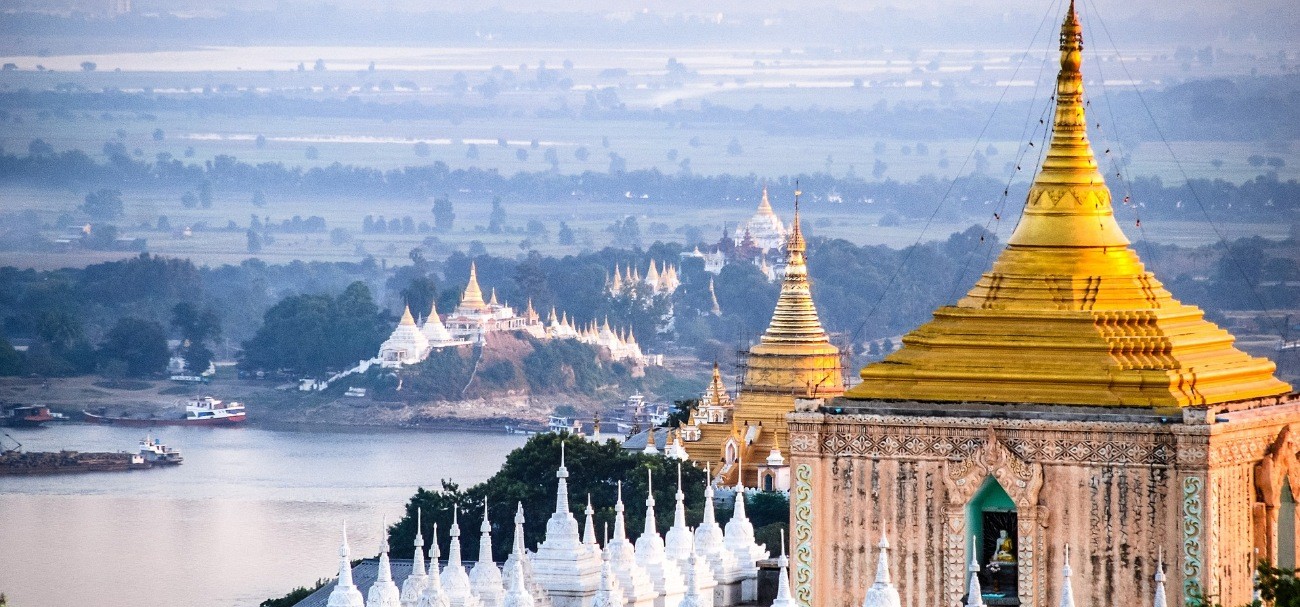
- Duration
- 11 days
- Pace
- Moderate
- Hotel changes
- 4
- Best months
- Nov, Dec, Jan, Feb
- From
- $1,980 per person
Available on request and subject to conditions on the ground. We assess every Myanmar enquiry against the situation at the time and for your specific dates before we quote, and we decline regularly. Several regions are not available to us and are not in this route.
This route spends eleven days on food, markets, monasteries and craft, at a slower pace than the classic and with three cooking sessions in it.
Who it suits: people who travel to eat, second visits, and anyone who found the standard temple circuit a little thin.
Day by day
Day 1: Arrive Yangon. Met and driven to the hotel. Evening at the Shwedagon Pagoda, then a first dinner of Burmese salads, which is the best possible introduction to the food.
Day 2: Yangon markets and street food. The wet market at dawn with a guide who can name what is on the tables, then breakfast of mohinga standing up at a stall. Downtown on foot through the Indian and Chinese quarters, which is where a good deal of Yangon’s food actually comes from. Bogyoke Aung San Market in the afternoon. An evening walk through the 19th Street food stalls.
Day 3: Yangon, cooking and the delta. A morning cooking session with a family rather than a school: the salads, a curry, and the difference between the fish paste that goes in everything and the one that does not. Afternoon free, or the circular railway.
Day 4: Fly Yangon to Bagan. Afternoon among the temples, with the emphasis on the ones that still function as places of worship rather than the ones that are only monuments. Sunset from a viewing mound.
Day 5: Bagan, craft. Lacquerware in the morning, properly: the bamboo frame, the layers, the months of drying, the engraving. This is one of the few genuine craft traditions in the country that is still done to a high standard and it is worth two hours. Temples in the late afternoon.
Day 6: Bagan, toddy and the villages. Out into the villages beyond the archaeological zone: palm sugar and toddy production, peanut oil pressed with a bullock, and a village lunch. This is the day people remember and it costs almost nothing.
Day 7: Fly Bagan to Heho, drive to Inle. Afternoon on the lake, with the first proper Shan meal in a village rather than at the hotel.
Day 8: Inle, the market and the lake. The five-day rotating market, which we time the whole itinerary around, because it is the best market in the country and it is a different village every day. The Pa-O and Danu people come down from the hills for it. Boat afternoon.
Day 9: Inle, Shan cooking and the vineyard. A Shan cooking session in a lake village: chickpea tofu, which is made without soy and is better than it sounds, and the noodle dishes. Afternoon at the vineyard on the eastern hills, which is a working estate and an unexpected two hours.
Day 10: Fly Heho to Mandalay. Afternoon at the Mahamuni and the craft workshops around it: gold leaf beaten by hand, stone carving, and the marionette workshops. U Bein bridge at dusk.
Day 11: Mandalay to Yangon, connect home. The Mahamuni face-washing ceremony at four in the morning for those who want it, then Sagaing or the market, then the flight with a long buffer.
What is included
Ten nights, all domestic flights with buffer, private car and driver, English-speaking guides throughout with a food specialist in Yangon and at Inle, three cooking sessions with families rather than schools, all market visits, the Inle rotating market timed into the route, entry and zone fees, all the meals described above, a full written cash briefing, and a WhatsApp group with your consultant here, our Hanoi office and our partners in Yangon.
What you will actually eat
Tea leaf salad, which is fermented tea leaves with peanuts, sesame, fried garlic and dried shrimp, and which is the dish that converts people. Ginger salad and tomato salad, built the same way. Mohinga for breakfast, a catfish and rice noodle soup with banana stem in it. Curries that are milder and oilier than Thai ones, served with a tray of vegetables and a soup. Shan noodles, which are the best thing at Inle. Chickpea tofu, fried or fresh. Palm sugar sweets. And a great deal of tea.
Vegetarians eat very well here. Vegans need a briefing, because dried shrimp and fish paste are in things that do not look like they contain them, and our guides handle that in Burmese at the table rather than leaving you to.
Honest notes
The best eating in Myanmar is in markets and in small family places, which means plastic stools, shared tables and no menus in English. That is the point, and we say it in advance because it does not suit everyone.
Stomach upsets are more common here than in Thailand or Vietnam. We choose the stalls, we brief you on water, and we still tell you honestly that a day of feeling rough is a realistic possibility on a route built around street food.
Everything is cash. Nothing in this itinerary takes a card.