- Duration
- 12 days
- Pace
- Moderate
- Hotel changes
- 5
- Best months
- Apr, May, Jun, Sep, Oct, Nov
- From
- $4,680 per person
Twelve days built around that problem. Two markets with a guide who can read a stall sign, a two-night temple stay eating monastic food, a full day cooking hansik in Jeonju, a makgeolli brewery, a soy sauce and doenjang producer, and enough unscheduled time that you can go back to the thing you liked.
Who it suits: people who plan trips around meals, and travellers who want the culture through the kitchen rather than the museum.
Day by day
Day 1: Arrive Seoul. Transfer, hotel in Jongno. An easy first dinner: knife-cut noodles and dumplings, five minutes’ walk.
Day 2: Seoul, markets. Gwangjang market in the morning with a guide, mung bean pancakes, raw beef and the noodle stalls at the back, then Tongin market and its lunchbox system in the afternoon. Evening free, with three recommendations in your document.
Day 3: Seoul, the table explained. Morning at a hansik restaurant for a proper multi-course lunch with a guide who explains what each dish is doing, which reframes everything you eat afterwards. Afternoon at a soy sauce and doenjang producer outside the city, where Korean fermentation actually starts. Evening grilled pork belly in Mapo.
Day 4: Seoul, free day. Unscheduled. Suggestions include Noryangjin fish market at dawn, a makgeolli bar crawl in Euljiro, the Kimchi museum, a cooking class in Bukchon, or nothing.
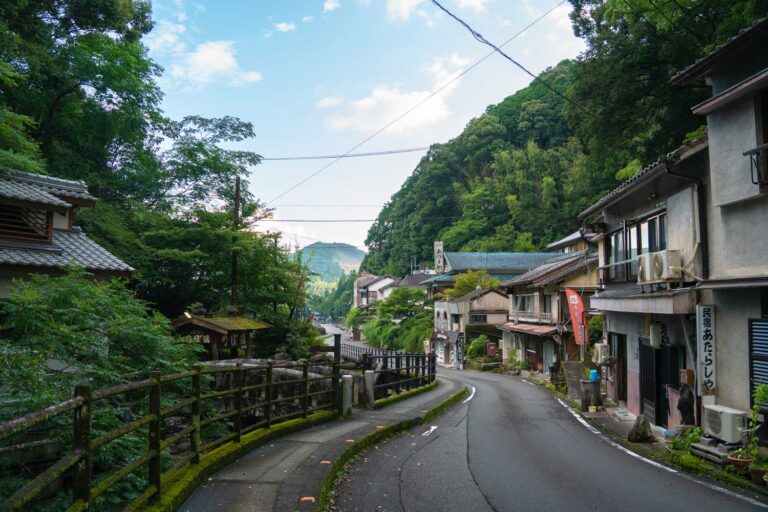
Day 5: Seoul to Andong. Train and transfer. The Hahoe folk village on the river bend, a Confucian academy, and Andong’s own trio: salted mackerel, jjimdak and soju that is stronger and better than the green bottle you have met elsewhere. Night in a hanok.
Day 6: Andong to Gyeongju. Transfer south. Afternoon among the burial mounds, and a Gyeongju bread and rice cake sitting, which sounds slight and is a genuine local obsession.
Day 7: Gyeongju, temple stay. Check in at a temple for two nights. The programme is real rather than performed: a 4am bell, chanting you can attend or skip, seated meditation, and three monastic meals eaten in silence in the barugongyang style, where you finish everything in the bowl. This is the best vegetarian food in the country and the day most people name afterwards as their favourite.
Day 8: Temple stay, second day. A morning walk, tea with a monk, and a lunch you will think about. Afternoon departure to Bulguksa and the Seokguram grotto with a guide, then a normal bed in Gyeongju.
Day 9: Gyeongju to Jeonju. Cross-country transfer, about three hours. Jeonju is where Koreans go to eat. Afternoon in the hanok quarter, and the evening at the night market and the makgeolli alleys, where a table of drinks arrives with a table of food.
Day 10: Jeonju, the cooking day. A full day in a home kitchen: kimchi from scratch, the banchan that make up a Korean table, bibimbap the way Jeonju does it, and the sauces underneath all of it. You eat what you cook for lunch. Afternoon free in the hanok lanes.
Day 11: Jeonju to Busan. Train south. Jagalchi fish market in the afternoon, where you choose from the tanks and it is cooked upstairs, then a guided evening through the pork soup and cold noodle places of Seomyeon.
Day 12: Departure. Fly out of Busan, or KTX back to Seoul.
What is included
Accommodation with breakfast including two temple nights and a hanok night, all train legs and private transfers, four days of licensed English-speaking guiding, two guided market sessions, the hansik lunch and explanation, the fermentation producer visit, the full-day cooking class in Jeonju, the temple stay programme, restaurant reservations where they are taken, a day-by-day document with dish names and stall locations in Korean and English, and a WhatsApp group with your consultant and our Seoul partner.
What we would change, and when
- Vegetarian or vegan? This is the itinerary for you, but it needs briefing in advance. Anchovy stock and shrimp paste are foundational in Korean cooking, and the temple days are the only ones that are automatically safe. Tell us early and our partner briefs every restaurant in Korean.
- Travelling in November? Kimjang, the communal kimchi-making that happens across the country in late November, is worth building the trip around. Ask us.
- Not interested in the temple stay? Replace it with two nights in Tongyeong on the southern coast, which is the best seafood in Korea.
- Want it shorter? Cut Andong and this works well in ten days.