- Duration
- 13 days
- Pace
- Moderate
- Hotel changes
- 5
- Best months
- Nov, Dec, Jan, Feb
- From
- $2,210 per person
This route eats through all four and puts the history alongside it, because the reason the food differs is that the kingdoms did. Two former capitals, a Khmer temple older than Angkor Wat, and five markets before eight in the morning.
Who it suits: people who plan holidays around meals. No particular fitness required, a reasonable tolerance for chilli helps, and an early alarm is non-negotiable on four of the thirteen days.
Day by day
Day 1: Arrive in Bangkok. Private transfer to a hotel in the old town rather than the shopping district, so you can walk to breakfast. Dinner at a pavement kitchen five minutes away.
Day 2: Bangkok, the central kitchen. Or Tor Kor market at seven, which is the best produce market in the country and where you learn what the ingredients actually are. Then a cooking class that uses what you bought, working through a curry paste from scratch in a mortar, which is the moment most people understand Thai food differently. Afternoon free. Evening in Chinatown on foot, eating at six stalls.
Day 3: Bangkok, the old city and the river. The Grand Palace at opening with a guide, Wat Pho, then a boat to the Thonburi side for the flower market and the canals. A late lunch of boat noodles. Free evening, with three restaurants at three price points in your document.
Day 4: Bangkok to Isaan. A short flight northeast to Ubon Ratchathani or Buriram, about an hour, into the third of Thailand that visitors almost never see. Afternoon at Phanom Rung, a Khmer sanctuary on an extinct volcano built before Angkor Wat and, on a clear afternoon, the best temple site in Thailand. Almost nobody is there.
Day 5: Isaan, the hard flavours. A morning at a village market where the produce is fermented fish, sticky rice, insects and herbs you will not have seen. A som tam lesson with a household cook, which is a lesson in pounding and in restraint. Afternoon at a silk weaving village where the mudmee dyeing is done by hand. This is the day people expect least and rate highest.
Day 6: Isaan to Sukhothai. A flying transfer via Bangkok or a long drive, depending on the schedules in your month, arriving in the afternoon. We will show you both options and their real costs. Evening free.
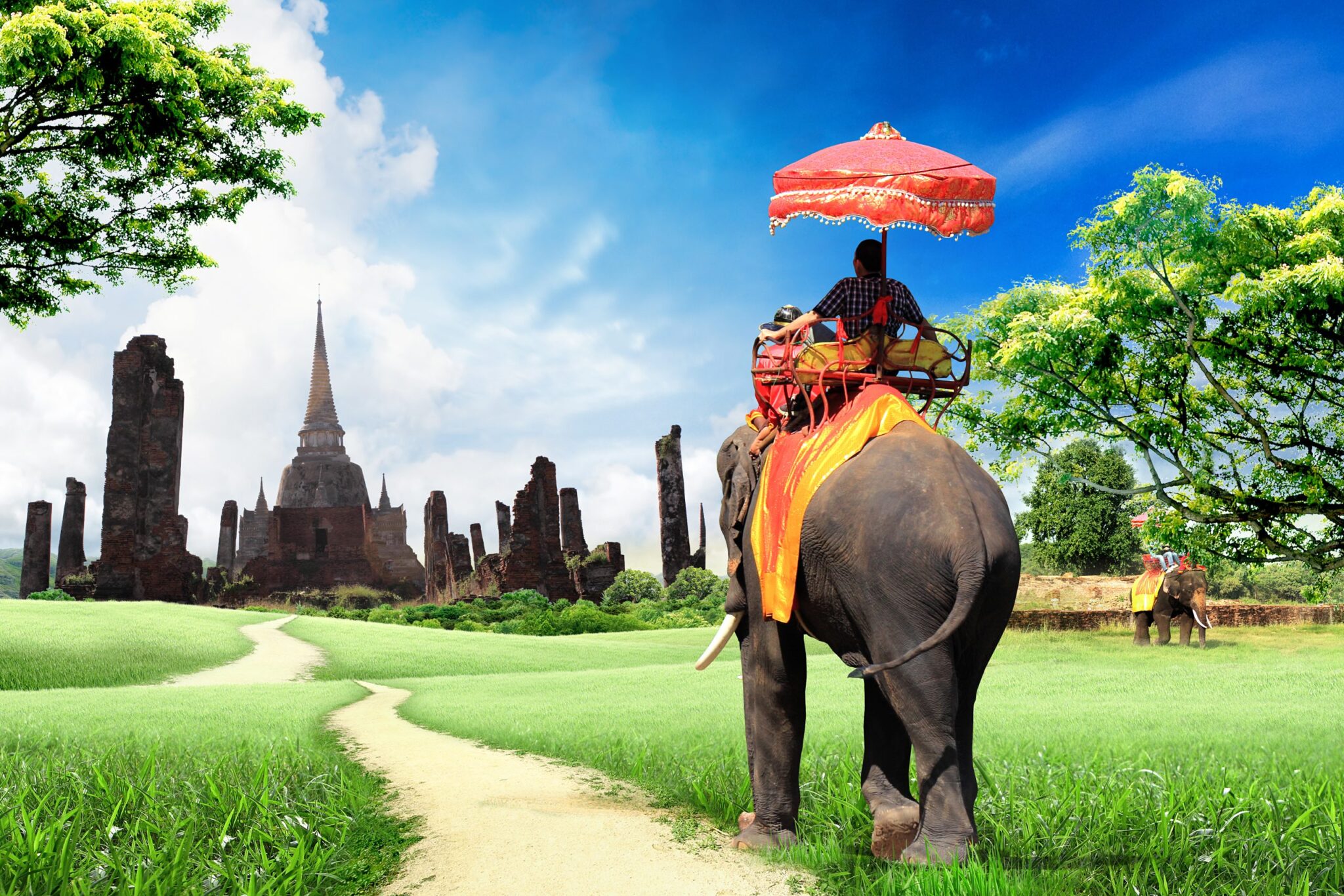
Day 7: Sukhothai. In the gates at opening, on bicycles, when the light is low and the park is empty. Thailand’s first capital, thirteenth century, and a quieter and better ruin than Ayutthaya. Back for lunch and the local noodle dish that is named after the town. Afternoon at Si Satchanalai, the sister city, or an afternoon off.
Day 8: Sukhothai to Lampang and Chiang Mai. North by road, three and a half hours, stopping at Wat Phra That Lampang Luang, a wooden Lanna temple from the fifteenth century that is the finest building on this route. Into Chiang Mai by late afternoon.
Day 9: Chiang Mai, the northern kitchen. Warorot market in the morning for northern sausage, fermented pork and the chilli pastes that define Lanna cooking. Then a khao soi crawl: three bowls at three shops, which sounds excessive and is the correct way to learn a dish. Afternoon at a temple or a nap. Evening at a khantoke dinner only if you want it, and we will tell you frankly that it is a show.
Day 10: Chiang Mai, the countryside. Out to a farm in the Mae Rim valley where you cook lunch from what is picked that morning, then a fermenting and preserving session, which is the part of northern food nobody teaches. Back to the city by five.
Day 11: Chiang Mai, free. A craft day in San Kamphaeng, the observation-led elephant project if you would like a day away from food, or the old city temples on foot at your own speed.
Day 12: Chiang Mai to Bangkok, the southern kitchen. Morning flight south. The afternoon is the one southern day on this route: a guided lunch through Bangkok’s southern Thai restaurants, where the curries are hotter than anything else you will eat here and the gaeng tai pla will genuinely test you. If the south interests you after that, we will build you a follow-up trip that starts in Trang.
Day 13: Departure. A last market breakfast if the flight allows, then the transfer to the airport.
What is included
Accommodation with breakfast throughout, three domestic flights with a real baggage allowance, a private air-conditioned car with English-speaking driver on all transfer days, licensed guides on six days chosen for knowing food as well as history, three cooking sessions including the market shop, the som tam lesson with a village cook, the khao soi crawl and the southern lunch with a guide, all entrance fees on guided days, bicycle hire at Sukhothai, and a WhatsApp group with your consultant and our representatives in Thailand for the whole trip.
Honest notes
Chilli. Isaan and southern cooking are hot in a way that mild versions abroad do not prepare you for. Our guides will order at your level and will ask honestly rather than assume. There is no shame in phet nit noi, a little spicy, and there is no prize for the alternative.
Street food and stomachs. Turnover is the safety mechanism. A stall with a queue of Thai customers cooking to order is safer than a hotel buffet. The things that catch people out are cut fruit that has been sitting, ice in places without high throughput and shellfish in the hot months. Your document says which is which.
Allergies and vegetarians. Fish sauce and shrimp paste are in almost every curry paste, including in dishes described as vegetarian. Jay, the Thai Buddhist vegan concept, is widely understood and is the useful word. Tell us early and our partner team briefs each restaurant in Thai, in writing.
Isaan is not comfortable in the way the rest of the route is. The hotels are good three star rather than four, the English is thinner and there is nothing to do in the evening. It is also the part of this itinerary that people talk about a year later.
We run this from November to February. Not because the food changes, but because Isaan is brutally hot from March, and the north fills with smoke in the burning season from late February. Booking this route in March means we quietly build you a worse trip, so we would rather move it.
Built by Osnat Angerman, our Southeast Asia specialist, and eaten through by our partner team in Bangkok.