- Duration
- 12 days
- Pace
- Moderate
- Hotel changes
- 4
- Best months
- Oct, Nov, Mar, Apr
- From
- $1,800 per person
The highest you sleep on this route is about 7,100 feet (2,175 m) at Nagarkot, which is below the altitude at which acclimatisation becomes an issue. That is deliberate. This is the Nepal trip that does not need managing.
Who it suits: first-time visitors, couples, and anyone who wants the Himalaya as a horizon rather than as a workload. Two short walks of a couple of hours, nothing harder.
Your specialist: your named Nepal specialist, with our Delhi office running the ground.
Day by day
Day 1: Arrive Kathmandu. Private transfer, and nothing else. We put you in Patan or in a quiet lane rather than in the middle of Thamel, because Kathmandu is loud and you have just flown a long way.
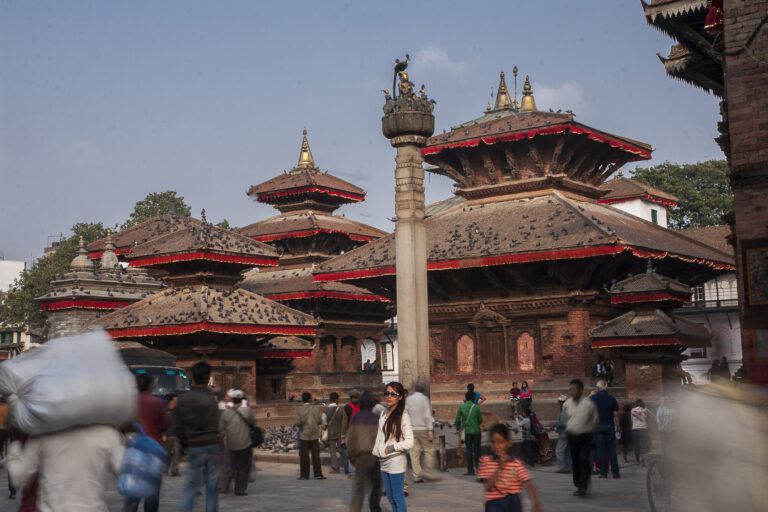
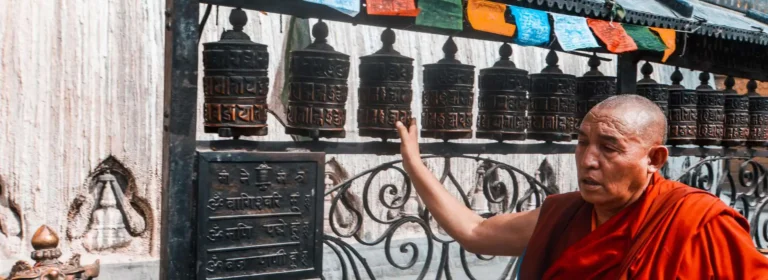
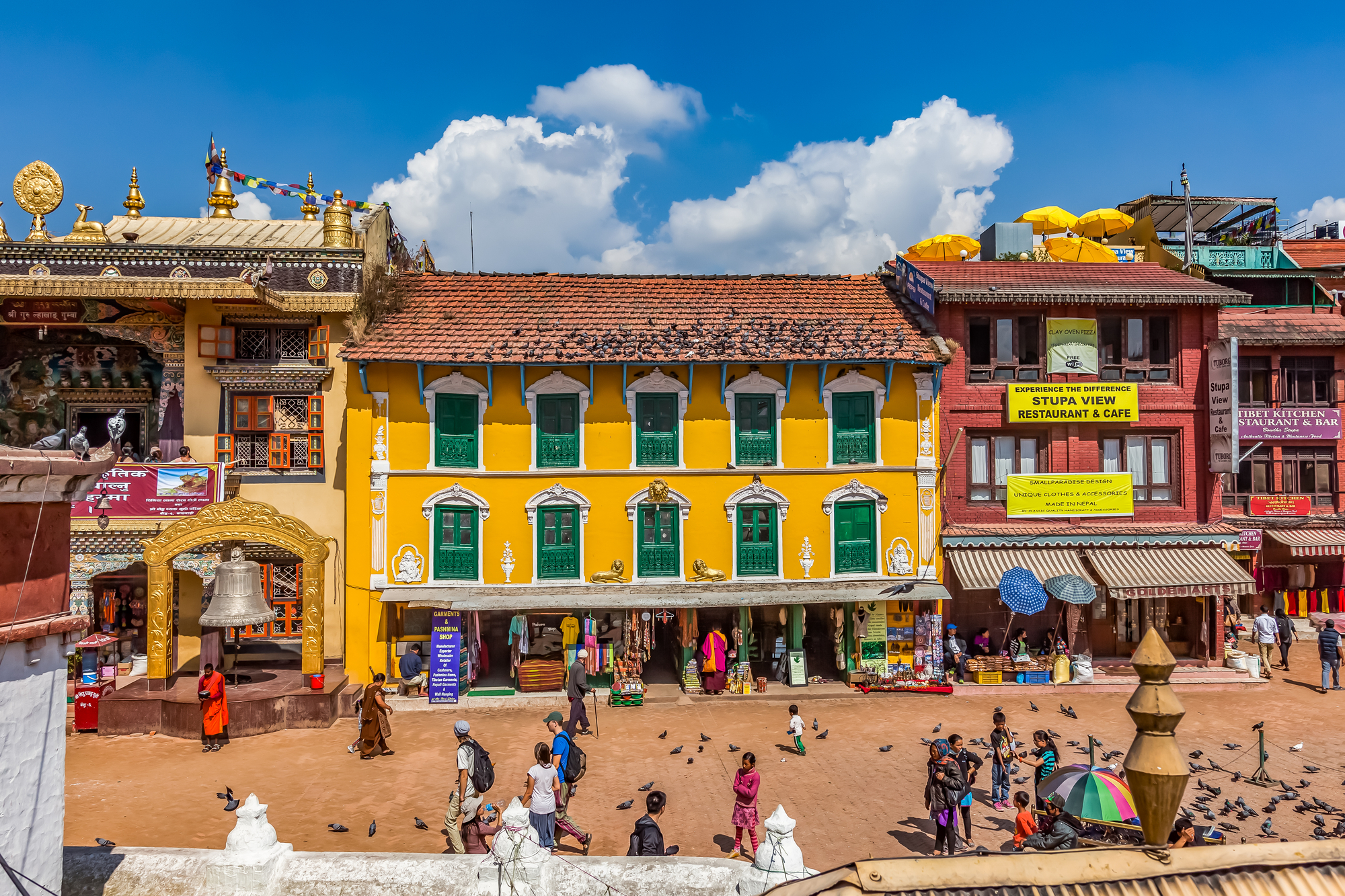
Day 2: Patan and Boudhanath. Patan Durbar Square in the morning with a guide, which is the finest concentration of Newari architecture in the country, and the Patan Museum, which is the best museum in Nepal by a distance. Afternoon in the craft workshops behind the square, where the metal casting has been done the same way for centuries. Late afternoon at Boudhanath, the great Tibetan stupa, when the circumambulation fills with people and the light goes gold on the whitewash.
Day 3: Kathmandu and Pashupatinath. Kathmandu Durbar Square and the old bazaar lanes on foot, then Swayambhunath on its hill above the city. Pashupatinath in the late afternoon, the Hindu cremation site on the river, which is public, confronting and one of the most significant places in the Hindu world. Go with a guide who explains it properly and photograph almost nothing.
Day 4: Bhaktapur and Nagarkot. East out of the valley to Bhaktapur, the best-preserved of the three cities and traffic-free in the old centre. Potters’ Square, the palace, the woodcarving, and a bowl of juju dhau, the local set yoghurt served in a clay pot. Then up to Nagarkot on the valley rim for the night, at about 7,100 feet (2,175 m).
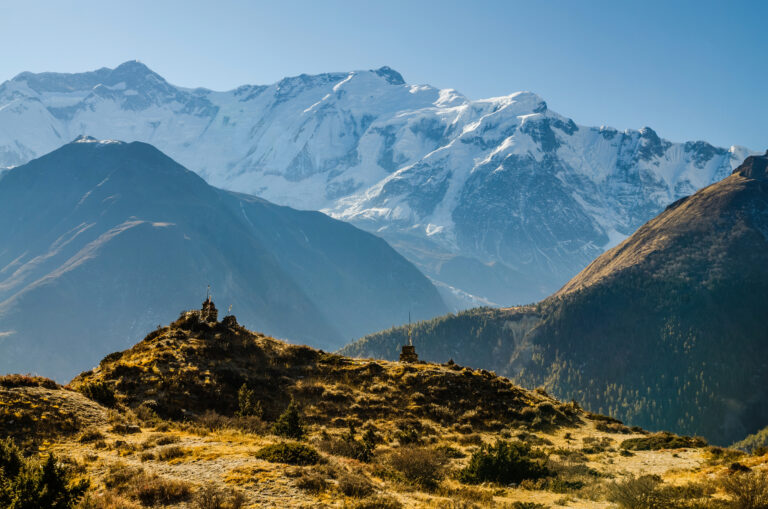
Day 5: Sunrise, then west to Bandipur. Up for the sunrise over the Himalayan skyline, which on a clear October morning runs from the Annapurnas to a small triangle of Everest a long way east. Then the long drive west, five to six hours, to Bandipur: a Newari trading town on a ridge with a car-free main street and a view south over the hills. Afternoon walking the street and the ridge.
Day 6: Bandipur to Pokhara. Two hours further west. Afternoon on Phewa Lake, in a rowing boat or on the lakeside, with the Annapurnas at the far end of the water when the cloud allows.
Day 7: Sarangkot and the valley. Up before dawn to Sarangkot, at about 5,250 feet (1,600 m), for the sunrise on Machhapuchhre and the Annapurna range, which is the view most people came to Nepal for. Back for breakfast. Afternoon at the World Peace Pagoda across the lake, reached by boat and a 45-minute climb, or the International Mountain Museum if the weather is poor.
Day 8: Pokhara, free. Deliberately empty. Options in your document: a two-hour walk to Australian Camp for a closer mountain view, paragliding off Sarangkot, a bicycle round the lake, or nothing.
Day 9: Pokhara to Chitwan. Five hours south-east and down, from hill country into the subtropical Terai, or a short flight to Bharatpur if you would rather not drive. Arrive for lunch, and an afternoon walk in the buffer zone or a Tharu village visit.
Day 10: Chitwan, full day. Dawn canoe on the Rapti river, drifting past gharial and marsh mugger crocodiles on the banks, then a walking safari with two trained naturalists, which is the way to see rhino properly and which is done on foot for a reason. Afternoon jeep safari deeper into the grassland.
Day 11: Chitwan to Kathmandu. Morning bird walk or a second jeep drive, then the drive north, five to six hours, or a 25-minute flight. Last afternoon and evening in Kathmandu, which is the right time to shop rather than the first day.
Day 12: Departure. Transfer to the airport.
What is included
Accommodation with breakfast throughout, full board at the Chitwan lodge, private air-conditioned car with English-speaking driver on every transfer, licensed local guides on six days, all Kathmandu valley monument fees, the Chitwan national park permits, the canoe, walking safari and jeep safari with naturalists, the Phewa Lake and Peace Pagoda boats, a day-by-day document with real drive times, and a WhatsApp group with your consultant and our Delhi office for the whole trip.
What we would change, and when
- Want to walk? Add three days for the Ghorepani and Poon Hill loop out of Pokhara, which is the shortest genuinely rewarding trek in Nepal and tops out around 10,500 feet (3,200 m). Twelve days becomes fifteen and it needs permits and a licensed guide, which we arrange.
- Short on time? Cut Bandipur and fly Kathmandu to Pokhara. Twelve becomes ten, and you lose the best drive in the country.
- Want wilder jungle? Replace Chitwan with Bardia, further west. Better for tigers, far fewer people, and it costs two extra days to reach.
- Travelling June to September? We would advise different dates. The monsoon removes the mountains for days at a time, and this route is largely about seeing them.
Honest notes
There is no altitude problem on this itinerary and we have designed it that way. If you have read about acclimatisation and are worried, this is the route that removes the question entirely.
The Kathmandu to Pokhara road is slow, busy and occasionally alarming, and it goes through river gorges that are the best scenery you will see from a vehicle in Nepal. We think it is worth doing once and we would fly the return leg. If you would rather fly both ways, say so and we will rebuild the days.
Rhino sightings at Chitwan are close to reliable in the right season. Tigers are not. Chitwan has tigers and most visitors do not see one, and anyone who tells you otherwise is selling something.
Kathmandu in winter has genuinely poor air quality in the mornings. October and November are much better, which is one more reason they are the recommended window.
Built by your named Nepal specialist, and checked by our Delhi office before it goes out.