- Duration
- 12 days
- Pace
- Moderate
- Hotel changes
- 5
- Best months
- Oct, Nov, Dec, Mar, Apr
- From
- $1,800 per person
This route treats the mountains as scenery and the kitchens as the subject. Three cooking traditions, four market mornings, a village that still eats the way the valley ate before the road came, and no altitude to manage.
Who it suits: travellers whose best memories are meals, and anyone who has already trekked in Nepal and wants a different reason to return.
Your specialist: your named Nepal specialist, with our Delhi office arranging the kitchens.
Day by day
Day 1: Arrive Kathmandu. Transfer, a hotel in a quiet lane rather than in Thamel, and an early dinner of momos at a place that has been making them for forty years.
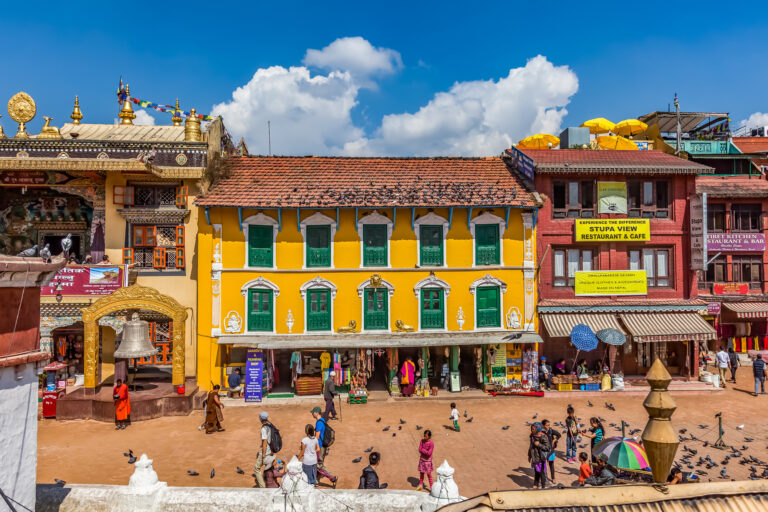
Day 2: Kathmandu, the valley’s markets. Asan Tole at seven in the morning, which is the single best market in the country and unrecognisable by nine. Spices, dried fish, beaten rice, and the vegetables that only appear in this valley. Afternoon at Swayambhunath.
Day 3: Newar cooking. A full day in a family kitchen learning the samay baji plate, the ceremonial course that opens a Newar feast: beaten rice, buffalo, black soybeans, ginger, fermented greens. You eat what you make, sitting on the floor, in the correct order.
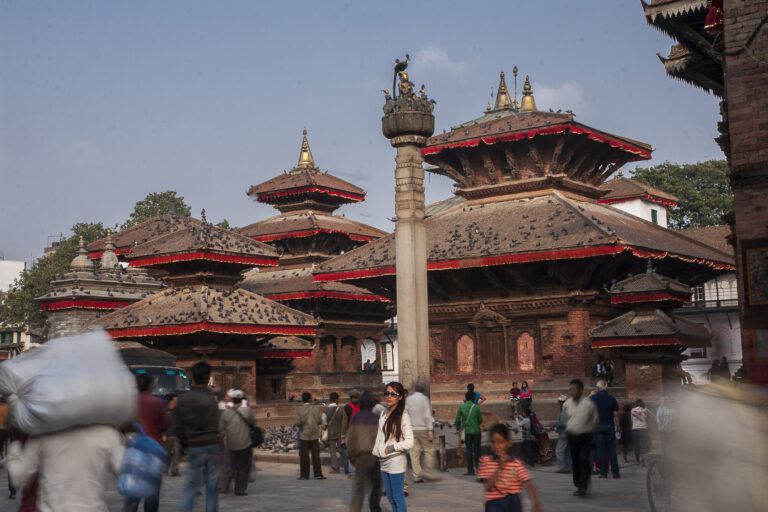
Day 4: Patan. The best-preserved of the valley’s three royal cities, and the one with the metalworkers still in it. A guided morning through the Durbar Square and the courtyards behind it, then a bahal lunch and an afternoon with a bronze caster.
Day 5: Bhaktapur. The third city, and where you stay the night rather than visiting for an afternoon. Juju dhau, the thick sweet yoghurt sold from clay pots, is genuinely worth the journey. Potters’ Square before the day visitors arrive.
Day 6: Bhaktapur to Bandipur. Four hours west along the Prithvi highway. A hill town on a ridge that was a Newar trading post on the Tibet route and stopped in about 1960, which is why the main street is still flagstone and closed to traffic.
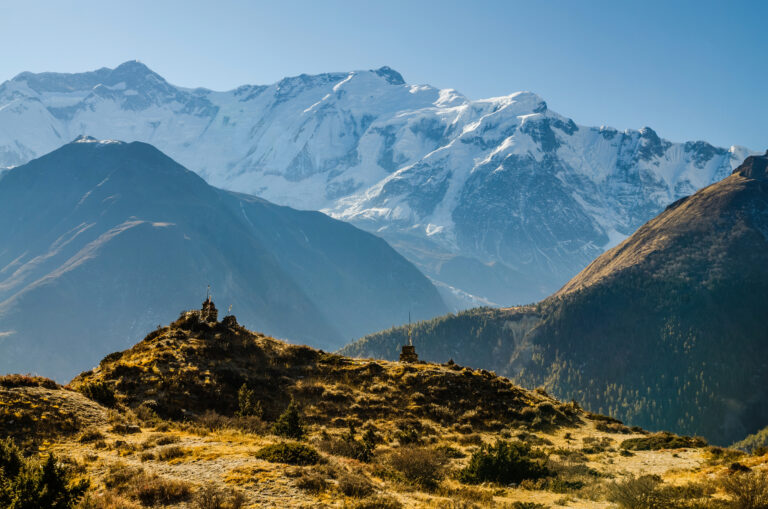
Day 7: Bandipur. A morning walk to a farming village below the ridge, lunch cooked by the family who farm it, and the afternoon on the ridge doing nothing. On a clear day the Annapurnas and Manaslu are both visible from the square.
Day 8: Bandipur to Pokhara. Two and a half hours. Lakeside in the afternoon, and a Thakali dinner, which is the mountain trading cuisine of the Kali Gandaki and the best food most trekkers eat without knowing what it is.
Day 9: Pokhara. A boat across Phewa lake, a walk up to the World Peace Pagoda, and an afternoon cooking session on Thakali dal bhat: the difference between this and the tourist version is the point of the day.
Day 10: Pokhara to Chitwan. Five hours south into the lowlands, which is a different country: Tharu villages, rice, and heat.
Day 11: Chitwan. A morning in the national park by jeep and on foot with a naturalist, then an afternoon in a Tharu village cooking over a mud stove. Fish, wild greens and rice, and dinner with the family.
Day 12: Chitwan to Kathmandu, departure. A short flight back rather than the drive, so the last day is not spent on the highway.
What is included
Accommodation with breakfast throughout, four cooking sessions in three distinct traditions, three guided market mornings, all private ground transport with our own driver, the Chitwan park permits and naturalist, the internal flight on day 12, restaurant bookings, and a WhatsApp group with our Delhi office and our Kathmandu ground team for the whole trip.
Honest notes
Newar food is fermented and often sour, and a proportion of visitors do not take to it. We do not hide that. The route is built so that even if the ceremonial plate is not for you, the Thakali and Tharu days almost certainly will be.
The Prithvi highway between Kathmandu and Pokhara is slow and the surface is variable. Four hours is a realistic figure, not an optimistic one, and it can be five in the wet. We break the drive at Bandipur precisely so nobody does it in one go.