- Duration
- 21 days
- Pace
- Moderate
- Hotel changes
- 8
- Best months
- Oct, Nov, Mar, Apr, May
- From
- $5,880 per person
Hong Kong is the frame here rather than the picture. Four days at the start, one night at the end, and in between the karst rivers of Guangxi, the Miao and Dong villages of eastern Guizhou, which are the least visited and most interesting part of this itinerary, and the old towns and lake country of Yunnan.
Eight hotel changes in twenty-one days, seven rail legs, one internal flight at the end, and four days with nothing scheduled. It is a substantial trip and it is built to be paced rather than survived.
Who it suits: travellers with three weeks, returning visitors to Asia, and anyone who wants the parts of China that the standard Beijing circuit never reaches.
Your specialist: Asaf Zamshtein, who runs our China desk, with our Hong Kong and Chinese partner teams on the ground.
A note on who is on the ground. We have dedicated local offices in Vietnam and India, our team in Japan, and local representatives in the Philippines. China is not one of them. We run this route through partner teams in Hong Kong, Guangdong, Guangxi, Guizhou and Yunnan that we have worked with for years, and we would rather name them than imply offices we do not have.
Day by day
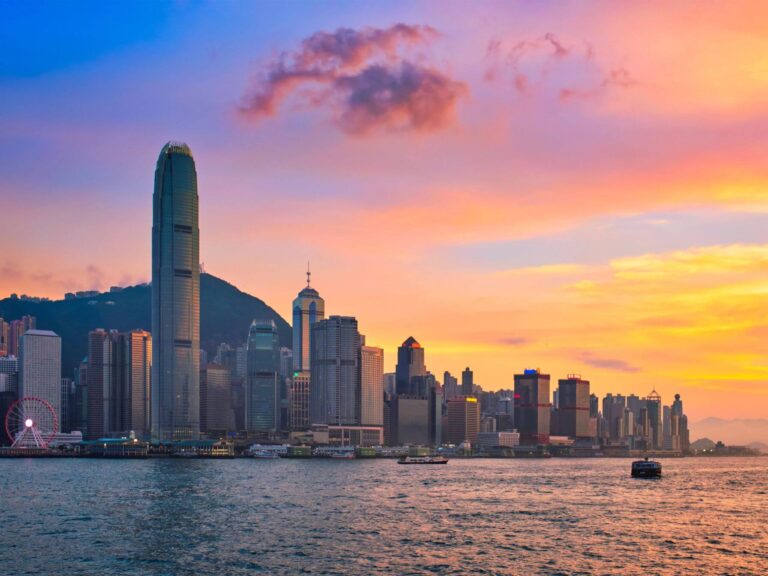
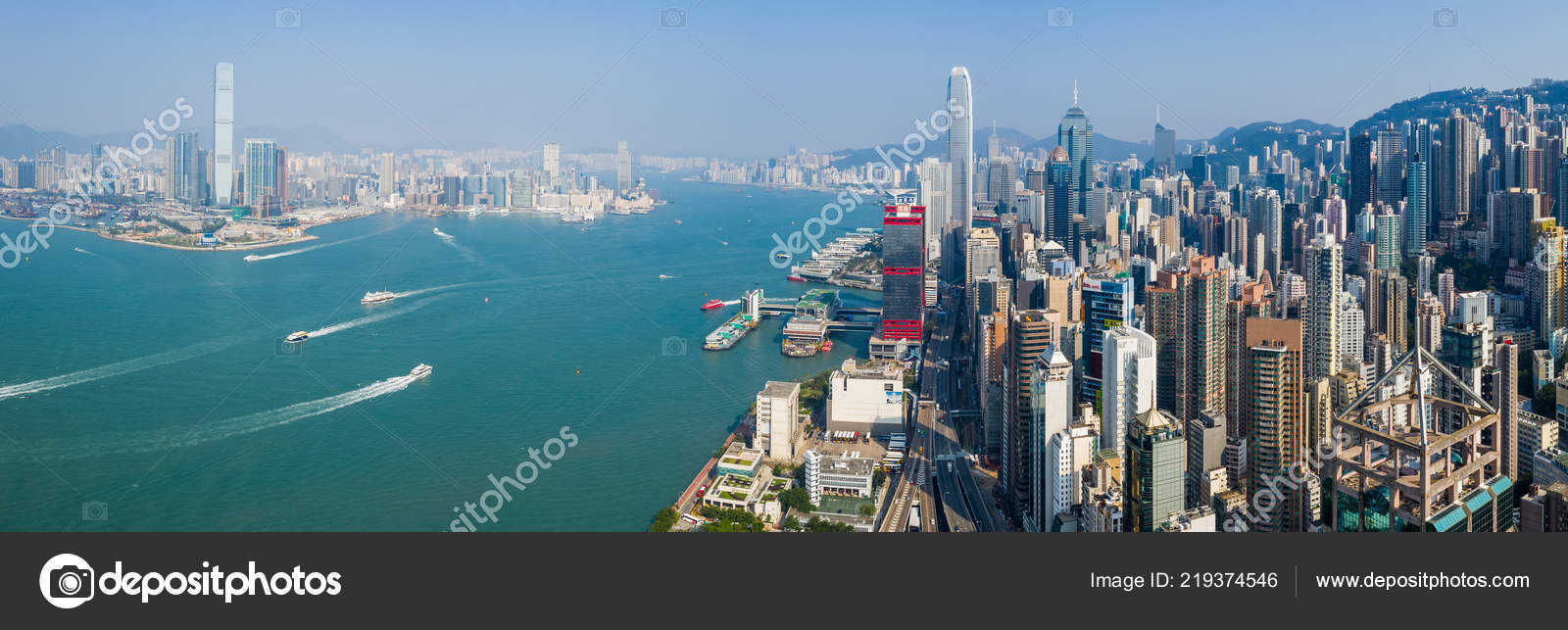
Days 1 to 4: Hong Kong. Two nights on the Kowloon side and two on the island. The Star Ferry at dusk, a guided walk through Sheung Wan and Central, the Peak in the last hour of light, a full day on Lantau, and a day on the water. Complete in itself, and the softest possible landing in the region.
Days 5 and 6: Macau. One hour by ferry. A Portuguese colonial old town, Taipa Village, and a food culture that is neither Chinese nor Portuguese. Two nights.
Days 7 and 8: Guangzhou. Back to Hong Kong and out by high-speed rail from West Kowloon, about 48 minutes with the border formalities done before boarding. This is the crossing into mainland China. Two nights for the yum cha, which is where Cantonese cooking actually comes from, the Chen Clan Ancestral Hall, Shamian Island and the river.
Days 9 to 12: Yangshuo and the karst. Rail west to Guilin, about two and a half hours, then an hour and a quarter to Yangshuo county. Four nights outside the town.
A private bamboo raft on the Yulong tributary at first light on day 10, when the mist is on the water. Cycling the lanes between the hills in the afternoon. Day 11 either the Longji rice terraces, two and a half hours north and a long day with a great many steps, or a slow day with a cooking class. Day 12 free.
Days 13 to 15: Guizhou, the Miao and Dong villages. Rail north-east to Kaili, around four hours, and this is where the trip changes character entirely. Eastern Guizhou is the densest concentration of minority villages in China, and it is quiet in a way nothing else on this route is.
Three nights, moving once. Xijiang, the largest Miao village, which is now busy and still worth a morning. Then the smaller settlements in the Rongjiang and Congjiang valleys, and Zhaoxing, a Dong village of wooden drum towers and covered bridges where we stay a night. Silversmiths, indigo dyeing, and, with luck and the right dates, a village festival.
Days 16 to 20: Yunnan. Rail west to Kunming, about four hours, then on to Dali the same day or the next depending on your pace.
Dali, two nights: the old town, the lake, the villages on the western shore under the Cangshan range, and the market at Xizhou. Lijiang, two nights: the old town, which is busy and beautiful and best at seven in the morning, the Naxi villages around Shuhe, and Yulong Snow Mountain on a clear day.
Day 20 is free, in Lijiang or at the head of Tiger Leaping Gorge.
Day 21: Fly back and home. Direct flight from Lijiang or Kunming to Hong Kong, about three hours, and on to your international departure. If your timings do not work we add a final Hong Kong night, and we will tell you which you need before you book.
What is included
Accommodation with breakfast in nine properties, all rail in first class with reserved seats, the internal flight, ferry crossings to and from Macau in premier class, private transfers throughout, licensed English-speaking guides on ten days including a Miao or Dong speaker in the Guizhou villages, the private dawn raft, bicycle hire, entries throughout, a VPN and the Chinese payment apps set up and tested before departure, a day-by-day document with train numbers and seat classes, and a WhatsApp group with your consultant and all partner teams, with a WeChat group alongside as a local fallback.
The border, the visa and your phone
The visa. Hong Kong and Macau are visa-free for most Western passports. Mainland China, in most cases, is not, and the rules have changed repeatedly over the last two years with conditions attached to your route and onward ticket. On a trip of this length with a single mainland entry, we confirm the current position for your specific passport and exact dates in writing before you book, and again before you fly.
The payments. Mainland China skipped the card. Foreign credit cards work in international hotels and often nowhere else. We set up Alipay or WeChat Pay with an international card linked, at home, before you fly, and our team checks it on your first mainland morning.
The apps. Several services you use daily are blocked on a mainland connection, including WhatsApp. Hong Kong and Macau are not affected. We set up a working VPN on your phone before you leave home and test it with you, so your usual apps behave normally. Your travel group runs on WhatsApp exactly as it does everywhere else, and we open a WeChat group alongside it as a local fallback. In the Guizhou villages the signal itself is the limiting factor rather than the firewall, and we tell you which nights those are.
What we would change, and when
- The first week of May or October? The two mainland national holiday weeks. Volumes are extraordinary and we would move your dates.
- Only eighteen days? Cut Guangzhou to one night and Dali to one, or drop Yunnan and finish in Guizhou. Do not cut the Guizhou villages, which are the part of this trip nobody else is selling you.
- Prefer flights to rail? Possible, and we would advise against it. The rail is the pleasure of this route and it puts you in city centres rather than at the far end of an airport transfer.
- Want to add Tibet? A separate planning exercise with its own permits, a mandatory guide and an acclimatisation schedule that cannot be shortened. See our Tibet guide. We would add it as a self-contained ten day block rather than threading it through this route.
Honest notes
The pricing on this page is anchored to the Hong Kong day rate, which is the most expensive on the itinerary by a wide margin. Nineteen of these twenty-one days are considerably cheaper, and your actual quote reflects that.
Guizhou is the highlight and it is also the least comfortable part of the trip. Village accommodation is clean, simple and locally run, the roads between valleys are slow, and English is close to non-existent, which is why a guide travels with you for those three days. If simple accommodation is not acceptable, tell us now and we will restructure.
Lijiang old town is busy. It was a quiet Naxi town and it is now one of the most visited places in China. It is still worth two nights and it is best before eight in the morning, which is what our document is built around.
Twenty-one days is long. We put four unscheduled days into this route deliberately, and travellers who ask us to fill them usually regret it by week three.
Built by Asaf Zamshtein, who runs our China desk, and checked with our partner teams in Hong Kong and China before it goes out.