Here is the honest structure of this page. The food is genuinely worth seeking out. On a resort island you will not meet it unless you go looking, and most people never do. The section on why that is sits in the middle, and if you only read one part of this article, read that one.
The dishes to order first
Mas huni. The national breakfast and the dish to try before any other. Smoked or tinned tuna shredded and worked by hand with freshly grated coconut, finely chopped onion, chilli and lime until it comes together into something between a salad and a relish. Eaten with roshi, a thin unleavened flatbread, and hot sweet tea. It is salty, sharp, hot and cooling at the same time, and it is one of the better breakfasts anywhere in the Indian Ocean. Any guesthouse will make it and most will make it well.
Garudhiya. The other pillar. A clear, unthickened broth of tuna simmered with a little salt, sometimes curry leaves and pandan. Served in a bowl beside a plate of rice, with lime, chilli and raw onion on the side to add yourself. It looks like almost nothing and it is the most quietly satisfying thing in the country. Maldivians eat it several times a week and often at lunch. Ask for it by name, because it is rarely written on a menu written for visitors.
Rihaakuru. Tuna stock reduced over many hours into a thick dark brown paste, somewhere between a fish paste and a savoury jam. A preservation technique from a country with no refrigeration, and aggressively savoury. A small amount goes on rice with lime and chilli. Nobody is neutral about it. It is the flavour a Maldivian working abroad asks their family to send, and it is worth trying once with a lot of rice.
Mas riha and kukulhu riha. Tuna curry and chicken curry with coconut milk, curry leaf, pandan and a masala that feels familiar to anyone who has eaten in Sri Lanka or Kerala without being quite either. A dinner plate in a village restaurant is $3 to $6.
Fihunu mas. Whole reef fish scored, rubbed with chilli paste and grilled over coals on the beach in the evening. Often the best dinner you will have on a local island.
Saagu bondibai. Sago pudding with coconut milk, rosewater and cardamom. The main sweet dish worth knowing.
Hedhikaa, the short eats, which are the point
If you take one thing from this page, take this. Hedhikaa are the small fried and steamed snacks eaten in the late afternoon with tea, and they are the heart of Maldivian eating. In Malé and on the local islands, tea shops lay them out on a counter under glass in the middle of the afternoon and people come in, take what they want from the tray, eat standing or sitting, and pay for what they took at the end.
The ones to reach for:
Gulha. Small round dough balls filled with smoked tuna, coconut, onion and chilli, boiled or fried. The best single thing on the tray.
Bajiya. A pastry triangle with the same filling, deep fried. Familiar in shape to anyone who has eaten a samosa and quite different inside.
Keemia. A fried roll of fish and egg in a thin pastry skin.
Masroshi. Roshi dough folded around the tuna and coconut mixture and cooked on a griddle. Less oily than the fried ones and the easiest to eat several of.
Kulhi boakibaa. A dense baked cake of fish, rice and coconut, cut in squares. Savoury and substantial and the thing that fills you up.
Theluli mas. Fried tuna pieces with chilli, hot and dry, eaten with the fingers.
A plate of four or five short eats with tea costs $2 to $4 in a Malé tea shop. Sai, the tea, is black, hot and heavily sweetened with condensed milk unless you ask otherwise.
The honest part: what you eat on a resort island
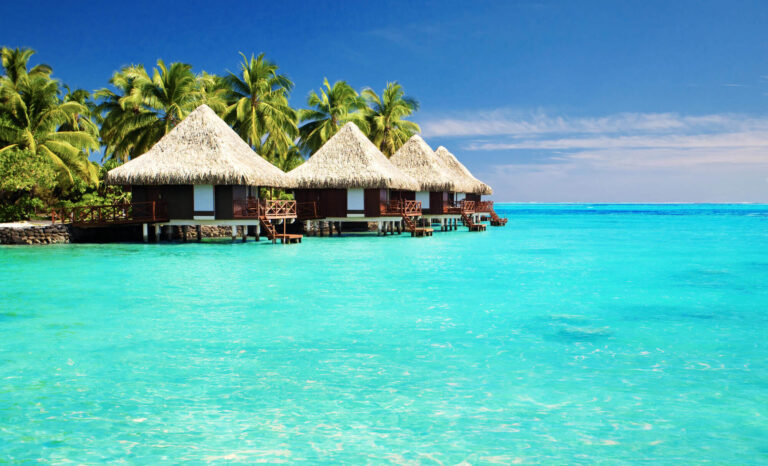
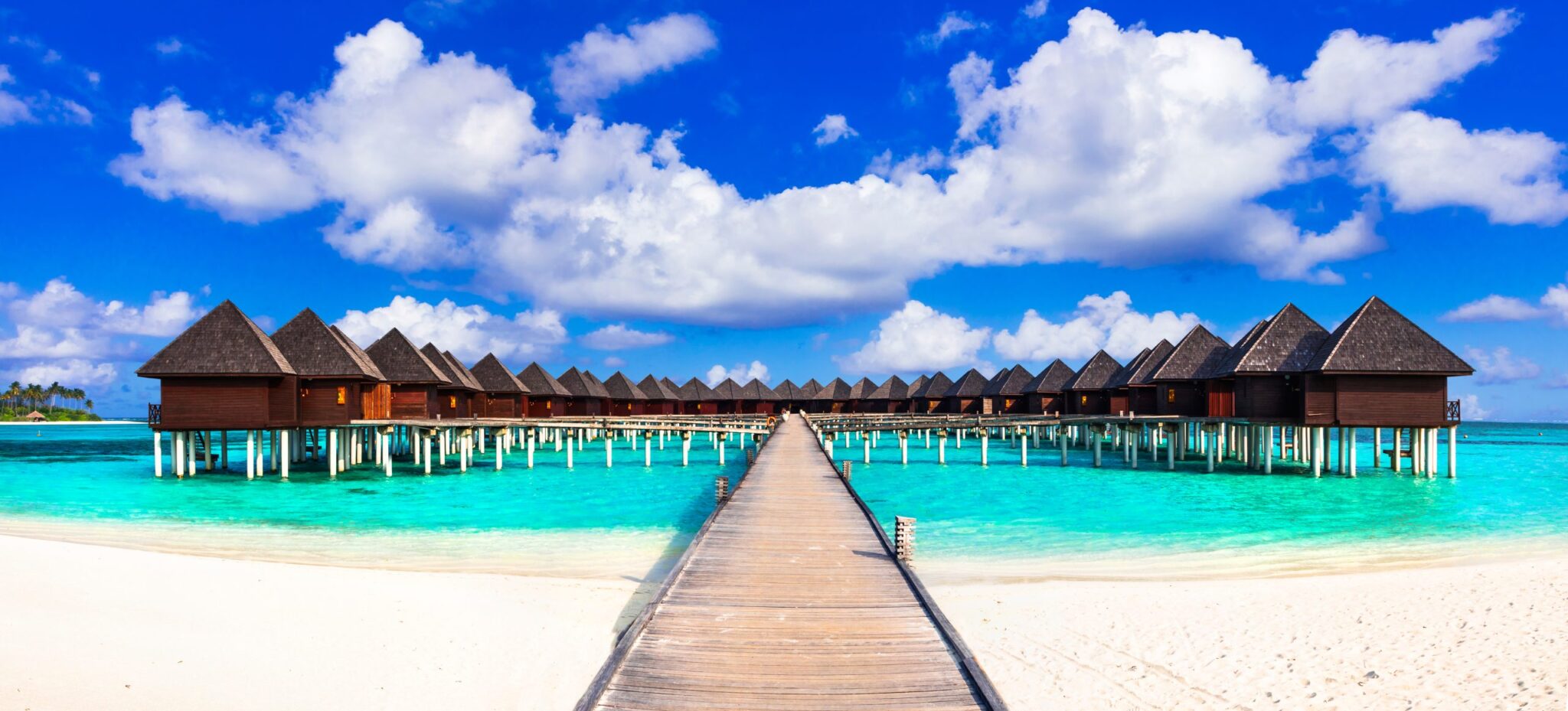
Here is the thing nobody puts in a brochure. On a resort island you will eat international hotel food, and you will eat it for the entire week unless you deliberately arrange otherwise.
The buffet on a Maldivian resort island is a competent global buffet: pasta, a carvery, a curry section, sushi of variable quality, salad, a made-to-order egg station in the morning and a rotating theme night. The à la carte restaurants are usually Italian, Japanese and a grill. Everything arrived by supply boat from Malé, which itself arrived by container ship. The kitchen brigade is often largely Sri Lankan, Indian and Bangladeshi and is cooking to an international standard for an international clientele. At the top end it can be genuinely good, and at $580 or $1,100 per person per day it should be.
What it is not is Maldivian. The one Maldivian element you will reliably meet is a small corner of the breakfast buffet with mas huni and roshi, which most guests walk past because it is unlabelled and looks like tuna salad.
There are three ways round this, and they all require you to ask.
Ask on arrival, not on the last night. Most resorts will cook a Maldivian dinner given a day or two of notice, and many have a Maldivian night that is not advertised loudly. Ask the restaurant manager on day one and be specific: garudhiya, mas huni, a fish curry, rihaakuru if they have it.
Ask the staff what they eat. The Maldivian staff are eating garudhiya and rice in the staff canteen every day, and on a smaller island you will often be offered a proper plate of it. This works better on boutique islands than on large ones.
Go to a local island. Which is the real answer, below.
We do not think this makes a resort week worse. It makes it a beach holiday with good hotel food, which is a fine thing. It is only a problem if you arrived expecting to eat your way through a national cuisine, and it is much better to know before you go than to spend seven nights waiting for the food to start.
What a local island guesthouse actually serves
This is where the food is, and it is one of the strongest arguments for building a few nights on an inhabited island into the trip. See local islands and Malé in 8 days.
A guesthouse on an island such as Dhigurah, Fulidhoo or Thulusdhoo typically serves breakfast in the house and dinner either there or at one of the two or three small restaurants in the village. Breakfast is mas huni and roshi with tea, or an omelette if you prefer. Lunch is rice with a fish curry and a vegetable. Dinner is grilled reef fish, or a curry, or short eats from the tea shop if you would rather graze.
A few practical points that shape the eating:
| On a local island | |
|---|---|
| Cost of a full dinner | $5 to $12 |
| Alcohol | Not sold and generally cannot be brought in. These are inhabited Muslim islands and the law applies to residents and visitors alike |
| Drinks instead | Fresh lime and soda, young coconut, tea, and occasionally raa, the fresh unfermented palm sap, which is sweet and mild |
| Vegetarian options | Available but limited. The default protein is fish, and fish stock finds its way into a lot of things. Say so clearly when you book and the guesthouse will cook around it |
| During Ramadan | Daytime service is limited or unavailable outside your guesthouse, and evening meals happen after sunset. Worth planning around, and we will tell you if your dates fall inside it |
The quality is home cooking rather than restaurant cooking, which is exactly the point. It also means it varies house to house, and it is one of the things we ask our partners in Malé about before we place anyone.
In Malé, if you have a few hours
If your flight times leave you a gap in the capital, the food is the best reason to leave the airport. The fish market on the north waterfront in the late afternoon, when the day’s tuna comes in, is one of the more interesting hours in the country. Behind it, the tea shops do hedhikaa properly and cheaply, and almost nobody visiting the Maldives ever sets foot in one. A short-eats lunch standing at a counter costs less than a bottle of water on a resort island.
What this cuisine is related to
If you have eaten in southern India or Sri Lanka, you will recognise the grammar at once: coconut milk, curry leaves, pandan, chilli, the same family of curries. What is missing is the vegetable range, because the soil here grows very little. What is added is the depth of tuna preparation: a country with one abundant protein and no way to keep it developed six ways to make it last.
It is another reason the Sri Lanka and Maldives combination works so well. You eat the parent cuisine for a week, then the island version of it.
Related
- The Maldives: the complete guide to planning your trip
- Local islands versus resort islands
- Local islands and Malé in 8 days
- What a trip to the Maldives costs
- All our Maldives trips