- Duration
- 13 days
- Pace
- Moderate
- Hotel changes
- 4
- Best months
- Apr, May, Sep, Oct, Nov
- From
- $2,795 per person
We run this route west to east because it follows the ingredients: Sichuan and its peppercorn in the basin, wheat and lamb and the end of the Silk Road at Xi’an, the imperial northern kitchen in Beijing, and then the sweet, oily, delicate Jiangnan cooking of the Yangtze delta. Four cuisines, four cities, four and a half hours of train between each of them.
Thirteen days, four hotel changes, no internal flights, three rail legs, and six cooking or market sessions rather than a restaurant list.
Who it suits: people who plan holidays around meals, and who want the culture that explains the food rather than a food tour bolted onto a sightseeing trip.
Your specialist: Asaf Zamshtein, our Southeast Asia and China specialist, with our Chengdu and Beijing partner teams on the ground.
A note on who is on the ground. We have dedicated local offices in Vietnam and India, our team in Japan, and local representatives in the Philippines. China is not one of them. We run China through partner teams in Chengdu and Beijing that we have worked with for years, and the guides on this route are people who cook.
Day by day
Day 1: Arrive Chengdu. Transfer and nothing scheduled. First dinner is a gentle one, at a Sichuan restaurant that will not open with the numbing peppercorn on day one.
Day 2: Chengdu, the market and the wok. Morning at a wholesale spice and produce market with a chef: the twenty chilli varieties and what each is for, Pixian broad bean paste, the Sichuan peppercorn and why it makes your lips buzz, preserved vegetables, the pickle jars.
Then a cooking session at a proper kitchen rather than a hotel demonstration: mapo tofu, gong bao chicken made the way it is made here rather than the way it travelled, dan dan noodles, and a fish-fragrant dish that contains no fish.
Afternoon in a People’s Park teahouse with bamboo chairs and a bottomless cup.
Day 3: Chengdu, hotpot and the pandas. Pandas early, because they eat in the morning and sleep by ten, at Dujiangyan about an hour and a quarter out. Afternoon back in the city, free.
Evening is the hotpot night, which is the social heart of Sichuan eating. Our team books a place locals go to, orders for you, explains the dipping bowl, and gets you a half-and-half pot so that you can find your own level of pain.
Day 4: Chengdu, Sichuan opera and the old street. Morning at the Wenshu monastery, which has a vegetarian dining hall that is one of the best lunches in the city. Afternoon free, or the Jinsha archaeological site, which is 3,000 years old and unlike anything else in Chinese art.
Evening at a Sichuan opera teahouse: the face-changing act, shadow puppets, and a small stage in a courtyard.
Day 5: Chengdu to Xi’an. About three to four hours by high-speed rail through the Qinling tunnels. Afternoon on the city walls by bicycle, which is nearly nine miles (14 km) around and takes ninety minutes.
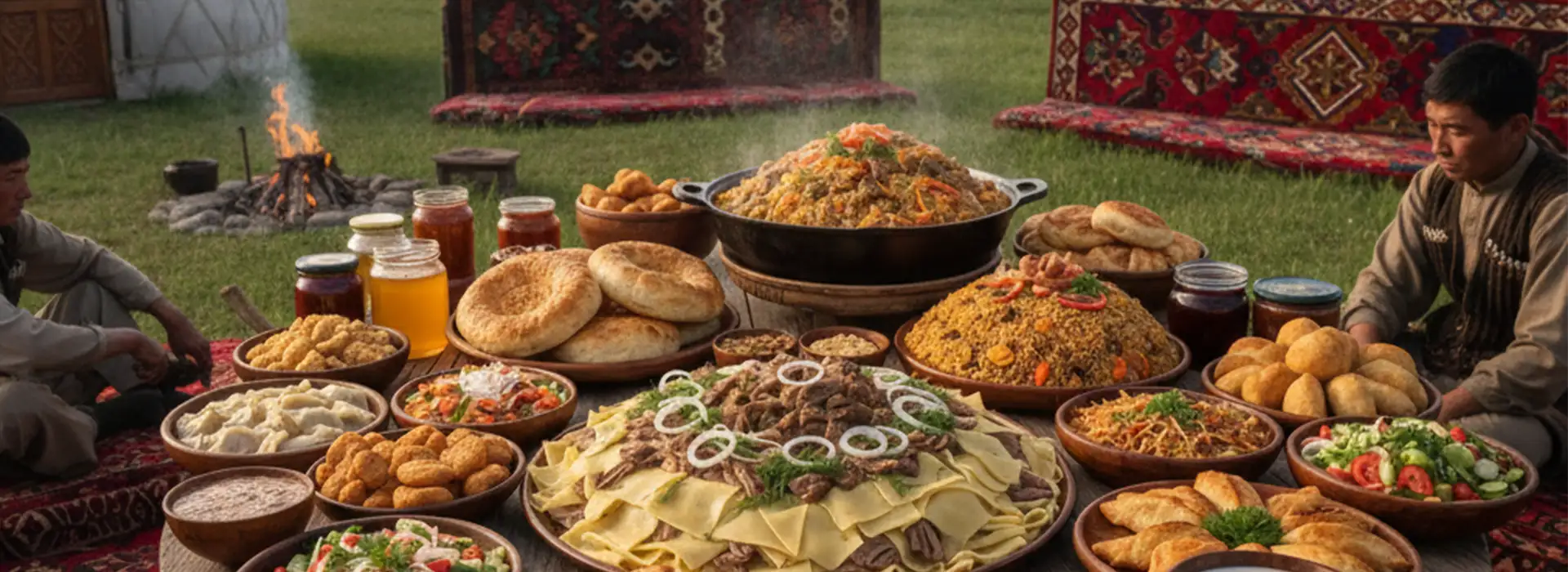
Evening food walk in the Muslim Quarter with a guide: roujiamo, the shredded flatbread and lamb soup called yangrou paomo which you tear apart yourself, biang biang noodles, cold liangpi, persimmon cakes off a griddle. This is street eating at its best in northern China.
Day 6: The Terracotta Army, and dumplings. Out to Lintong in the morning with a guide who can explain the pits, the bronze chariots and how much of the site is still underground. Two and a half to three hours.
Afternoon back in the city. Evening at a Xi’an dumpling banquet, which sounds like a tourist invention and is in fact a genuine local institution: eighteen shapes, eighteen fillings, and a duck-shaped one that contains duck.
Day 7: Xi’an to Beijing. About four and a half hours by rail. Afternoon free. Evening at a Peking duck house our team books, ideally an older one where the ovens are fruitwood-fired and the carving happens at the table.
Day 8: Beijing, the hutong breakfast and the imperial city. Breakfast on the street with a guide: fried dough sticks and soy milk, jianbing folded on a griddle, and the fermented mung bean drink called douzhi that we will offer you once and not insist on.
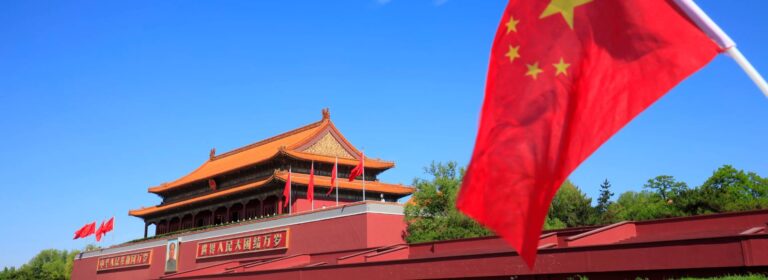
Then the Forbidden City in the late morning with a guide. Afternoon free.
Day 9: The Great Wall. A full day at Mutianyu or Jinshanling with a car and guide, with a farmhouse lunch in a village below the wall rather than at the visitor centre. Back late afternoon.
Day 10: Beijing, markets and the imperial kitchen. Morning at the Temple of Heaven at opening time, when the park is full of people exercising, singing and playing cards, and a walk through it that is about Beijing life rather than architecture.
Afternoon cooking session on northern dishes: hand-pulled noodles, jiaozi folded properly, a braise. Evening free, or Peking opera if you want it.
Day 11: Beijing to Shanghai. 819 miles (1,318 km) in about four and a half hours by rail, which is still the most impressive thing about travelling in China. Afternoon in the former French Concession and dinner on Jiangnan cooking: red-braised pork, drunken chicken, river shrimp, and the sweetness that northerners complain about.
Day 12: Suzhou or Hangzhou, by rail and by table. Half an hour to Suzhou or ninety minutes to Hangzhou, both as day trips. Suzhou for a garden at opening time and a soup dumpling and noodle lunch. Hangzhou for the Longjing tea villages, the hand-firing in a wok, and a lunch in a tea house on the hill. We choose with you.
Back to Shanghai in the evening. Last dinner at a table we would recommend to a friend.
Day 13: Departure. Or a morning at the Yu Garden and the Nanxiang soup dumplings before an afternoon flight.
What is included
Accommodation with breakfast throughout, all rail legs in first class with reserved seats, private cars with English-speaking drivers on transfer and excursion days, licensed guides on eight days, two full cooking sessions with a chef, a spice market morning, two street food walks, a hotpot dinner ordered for you, the Xi’an dumpling banquet, the Peking duck reservation, a farmhouse lunch below the Great Wall, all site entries on guided days, a VPN and payment apps set up and tested before departure, and a WhatsApp group with your consultant and our partner teams for the whole trip, with WeChat alongside it as a local fallback.
What we would change, and when
- Vegetarian? Workable and it needs planning. Sichuan has an outstanding Buddhist vegetarian tradition, the Wenshu monastery hall is genuinely good, and Jiangnan cooking has plenty. Xi’an is the hardest city and Beijing is easy. We brief every restaurant in advance in writing.
- Cannot eat chilli? Then we would swap Chengdu for Guangzhou and run Cantonese instead: dim sum, roast meats, seafood and the most technically precise cooking in China. Say so early and we rebuild the first four days.
- Want a fifth cuisine? Add three days in Guangzhou and Shunde before Shanghai. It is a two-hour train from Guilin and about seven hours from Xi’an, so it works better as an extension than an insert.
- Travelling in summer? Chengdu is humid and grey, Xi’an and Beijing are hot at around 90F (32C), and street eating in the middle of the day stops being enjoyable. We shift the food walks to evenings and start the sightseeing at opening time.
Honest notes
Sichuan heat is not the heat you know. The peppercorn produces numbness rather than burning, and the combination catches out people who eat Thai food happily. Tell us your tolerance honestly at the planning stage and we will pitch the ordering accordingly, and there is no shame in a half-and-half hotpot.
Hygiene at street stalls is better than its reputation and worse than a restaurant. Our guides know the stalls they eat at themselves. If you have a sensitive stomach, say so and we will keep the food walks to sit-down places.
Get your payment app working before you fly. On a food trip you will pay for thirty small things a day, and street vendors take a QR code and often nothing else.
The Chinese restaurant reservation culture is not like Japan’s. Most of the best places do not take bookings from abroad, some do not take bookings at all, and our team queues, calls or turns up early on your behalf. Where a place genuinely cannot be booked, we say so rather than promising it.
Built by Asaf Zamshtein, our Southeast Asia and China specialist, and checked with our partner teams in China before it goes out.