This is what we brief first-time travellers on, and what we would do differently ourselves.
The eight things that surprise people
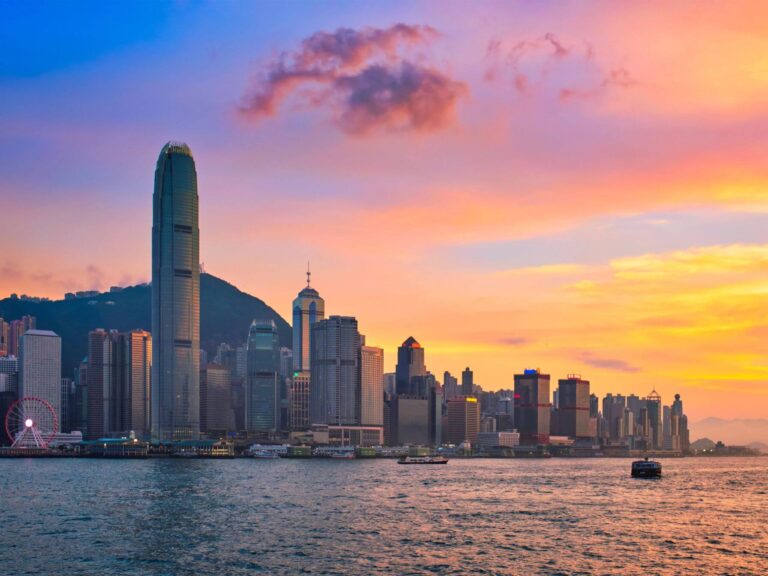
The city is vertical, and that changes walking. A map distance of 400 yards (roughly 370 m) in Central can involve a footbridge, two escalators and a climb. The Mid-Levels escalator system is public transport and runs downhill in the morning and uphill from mid-morning onward. Walking routes that look flat are frequently not, and a day in Central covers more vertical feet than most people expect.
Your hotel room is small. This is the single most common surprise and it is not a mistake anyone made. Hong Kong is around 7.5 million people confined to 427 square miles (1,106 sq km), most of which is country park and hillside. You pay for location and for the harbour angle, not for floor area. Spend on the district and accept the size, which is the trade-off we write into every proposal. Our cost article has the numbers.
Restaurants are upstairs. Some of the best eating in the city is on an upper floor of a commercial building with a small sign by the lift. If you only eat at street level you will eat well and miss half of it.
Air-conditioning is aggressive. Outside in July it is around 90F (32C) and humid. Inside it can be 68F (20C). Carry a light layer even in high summer, which sounds absurd until the third hour of a shopping centre.
The famous views are weather dependent in a way nobody mentions. From March to May, fog can sit on the hills for days. The Peak tram runs perfectly and delivers you into cloud. See Hong Kong month by month for which weeks carry the risk.
Queues are a normal part of eating. The best noodle and dim sum houses do not take bookings. Twenty minutes standing outside is standard, sharing a table with strangers is standard, and being seated fast and expected to order faster is standard. None of it is rudeness.
Sunday changes the map. The business districts empty and the parks, the islands and the promenades fill. Central on a Sunday is a different city. We schedule around it rather than fighting it.
The border is real. Hong Kong runs its own immigration, currency and customs separately from mainland China. Crossing into the mainland is a full entry into another jurisdiction and in most cases requires a Chinese visa arranged in advance. Macau is a third jurisdiction with its own rules. We confirm the current requirement for your passport and dates in writing before you book and again before you fly.
What we would do differently on a first visit
Plan by the hour, not by the list
This is the single biggest improvement available to a first Hong Kong trip. Most of what the city is famous for works at one time of day and is close to pointless at any other.
- Victoria Peak in the late afternoon, on the terrace as the light goes, watching the city switch on. At eleven in the morning in flat haze it is a queue, a tram and a shopping centre.
- Wet markets before nine, when they are working rather than performing.
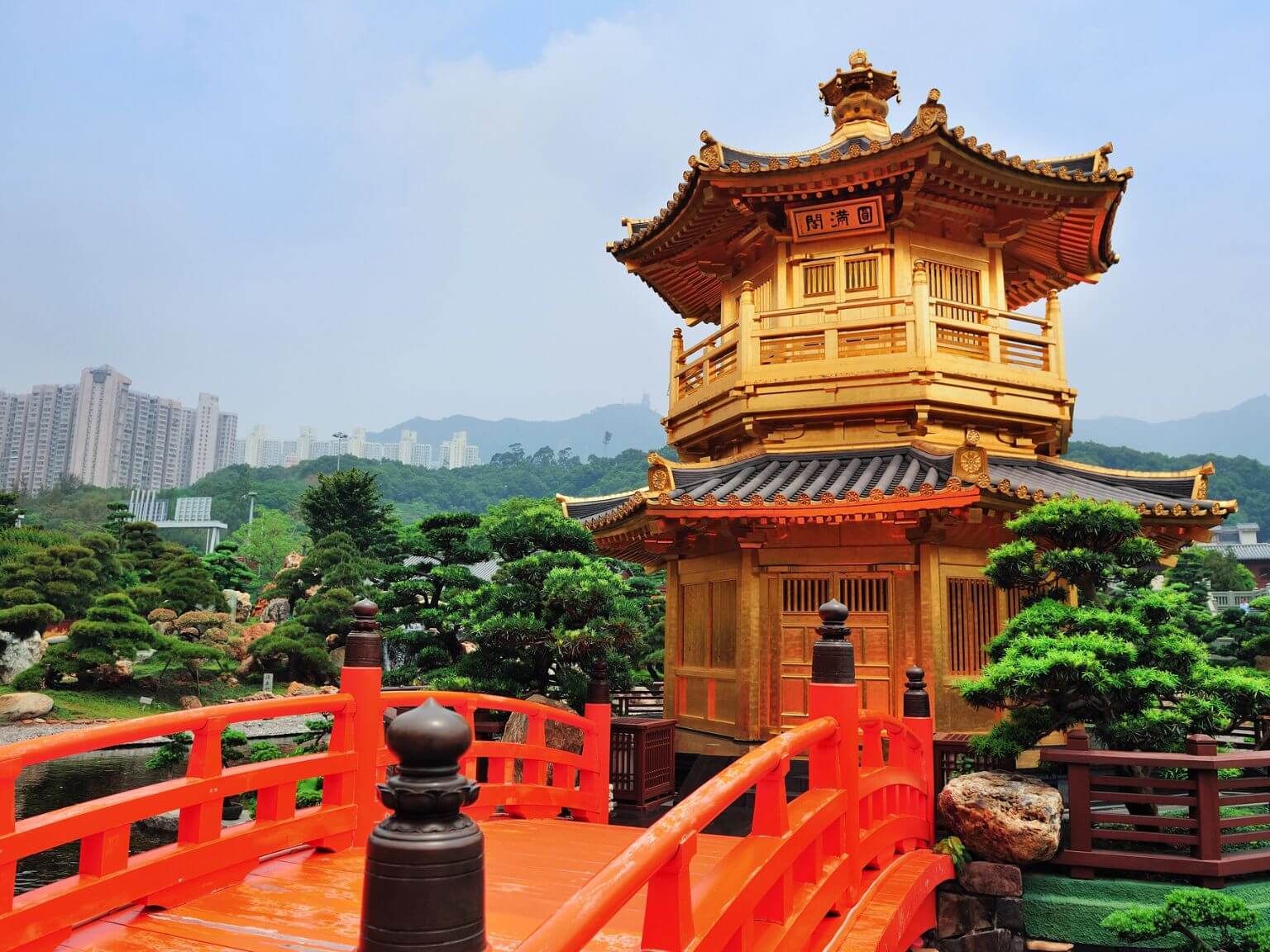
- Temples in the first hour after opening. Man Mo with the coils of incense burning and six people inside is a different building from Man Mo at two in the afternoon.
- The Star Ferry at dusk, on the open lower deck, travelling from Kowloon toward the island so the skyline builds in front of you.
- Lantau and the Big Buddha early, before the cable car queue and the coach groups.
- Temple Street after eight at night, for the food stalls rather than the shopping.
A document that says “the Peak, Thursday, 5.15pm, tram from Garden Road, walk the Lugard Road loop first” is worth more than one that lists twelve attractions.
Do not book the Peak, Lantau and Macau into the same short trip
They are each a half day at minimum, they are in three different directions and none of them improves for being rushed. Two of the three in a four day trip is plenty. If you have five days, all three works and the fifth day is the one that makes it bearable.
Eat cheaper than you were planning to
Almost every first-time visitor over-budgets food and under-eats the good stuff. The best five dollars you will spend in Hong Kong is a plate of roast goose over rice from a shop with the birds hanging in the window. Wonton noodles are a few dollars. A cha chaan teng breakfast set with milk tea is about the price of a coffee at home.
Save the expensive meal for one dinner where it earns its place, and eat at counters, cooked food centres and dim sum houses the rest of the week. Dim sum, cha chaan teng and what to order is the article to read before you go.
Take one guide day, and only one
A half or full day with a good local guide through the markets, the temples and the back streets changes what the rest of the week looks like, because you spend the remaining days understanding what you are seeing. Beyond that, Hong Kong is one of the easiest cities in Asia to travel independently, and paying for four guided days is buying something you do not need.
Get out of the city on at least one day
Three quarters of the territory is country park, reservoir catchment and undeveloped hillside. Twenty minutes from the densest streets you can be on a ridge with nobody on it, or on a ferry to a fishing town, or at a beach. First-time visitors who skip this see half of Hong Kong and think they saw all of it.
The practical brief
Money. The Hong Kong dollar is pegged to the US dollar within a narrow band, which makes budgeting predictable. Cards work almost everywhere, unlike the mainland. Carry cash for market stalls, cooked food centres, ferries and taxis.
Octopus card. Covers the MTR, ferries, trams, buses and many shop counters. Tap in, tap out, stop thinking about it. We have one ready for you on arrival.
Your phone works normally. Hong Kong is not behind the mainland firewall. That changes the moment you cross into the mainland, so any crossing trip gets a VPN and the payment apps set up and tested with us before you fly, your travel group on WhatsApp as always, and a WeChat group alongside as a local fallback.
Taxis. Metered, plentiful and cheap for a wealthy city. Drivers may not read English addresses, which is why every destination in our documents is written in Chinese characters as well.
Tipping. A ten per cent service charge is usually added at sit-down restaurants and nothing beyond that is expected.
Shoes. More walking than you think, on hard surfaces and hills, in humidity. This is not a sandals city.
Escalators and footbridges. In Central, Wan Chai and Tsim Sha Tsui, the pedestrian network is often one level above the road. If a street looks impossible to cross, look up.
Who we are, and who is on the ground
Every Hong Kong itinerary we write is put together by Asaf Zamshtein, who runs our China desk, with Mai Est, our Head of Consulting, and checked with our long-standing partner team in Hong Kong before it goes out. We have dedicated local offices in Vietnam and India, our team in Japan, and local representatives in the Philippines. Hong Kong is not one of them, and we would rather name the partner than imply an office we do not have.
Plan this trip
Tell us your dates and the places you want to see, and we build your trip as a $39 day-by-day plan, with recommended hotels by level and every transfer set out step by step.
Keep reading
- Hong Kong: the complete guide to planning your trip
- Dim sum, cha chaan teng and what to order
- What a trip to Hong Kong really costs
- What we would skip in Hong Kong
- Food and culture in 6 days
- All our Hong Kong trips