That distinction is the whole of it. A list of sights sends you back and forth across the harbour three times a day. A route by district gives you one neighbourhood per half day, on foot, with the famous things slotted into the hours where they work.
One hotel throughout. No bags moved. Everything below runs on the MTR, the ferries and your legs.
The shape
| Day | Morning | Afternoon | Evening |
|---|---|---|---|
| 1 | Sheung Wan and Central at ground level | Wan Chai market and the tram east | Star Ferry at dusk, dinner in Kowloon |
| 2 | Kowloon: Jordan, Yau Ma Tei, Mong Kok | Tsim Sha Tsui, museum, promenade | Temple Street food stalls after eight |
| 3 | Lantau: cable car, Big Buddha, Po Lin | Tai O stilt village | Back early, quiet dinner near the hotel |
| 4 | Dragon’s Back ridge walk, early | Shek O beach and lunch | Victoria Peak at last light |
Where to sleep: Sheung Wan or Central if you want to walk to dinner, Tsim Sha Tsui if you want the harbour view and the museums on your doorstep, Wan Chai for value and a real neighbourhood. Any of the three puts you within ten minutes of everything in this route.
Day one: Sheung Wan, Central and the harbour at dusk
Start on the island, on foot, in the oldest working part of the city.
Sheung Wan before ten. Des Voeux Road West is the dried seafood street: sacks of scallops, abalone, fish maw and sea cucumber open to the pavement, the smell of the ocean concentrated. Ko Shing Street beside it is the herbal medicine trade. Then climb the ladder streets, the stone-stepped lanes running up the hill, past Cat Street antiques and printers and coffin makers.
Man Mo Temple, first thing. Enormous incense coils hanging from the ceiling, smoke in shafts of light, and in the first hour it is a working temple rather than a photograph. By the afternoon it is neither quiet nor atmospheric.
Yum cha at eleven. This is the meal to plan the day around, and eleven beats one for both queue and calm. What to order is in our dim sum and cha chaan teng guide.
Central after lunch. The Mid-Levels escalator, which is public transport rather than a novelty, up through Soho. Tai Kwun, the restored former police compound and prison, is free, excellent and air-conditioned, which matters in any month with an R in it and several without.
The tram east, upper deck, front seat. Get on anywhere in Central and ride it toward Causeway Bay or beyond. It costs about forty cents, it goes slowly, and slowly is the point. You see three miles (about 5 km) of the city at first-floor height, which is the correct height for looking at Hong Kong.
Wan Chai market in the late afternoon, when it is buying dinner rather than performing.
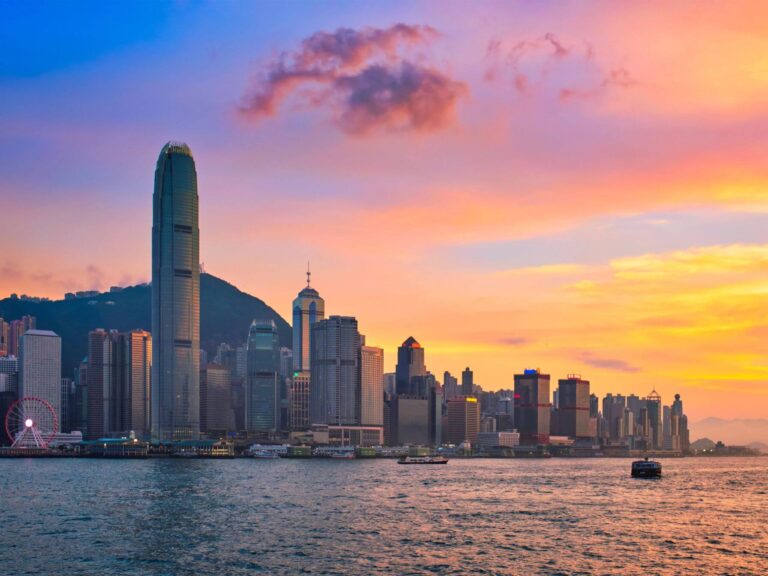
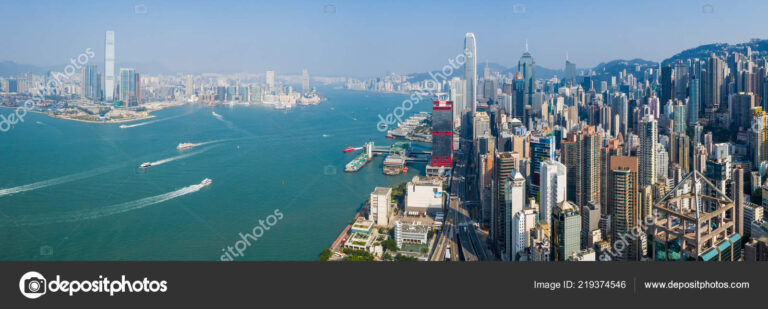
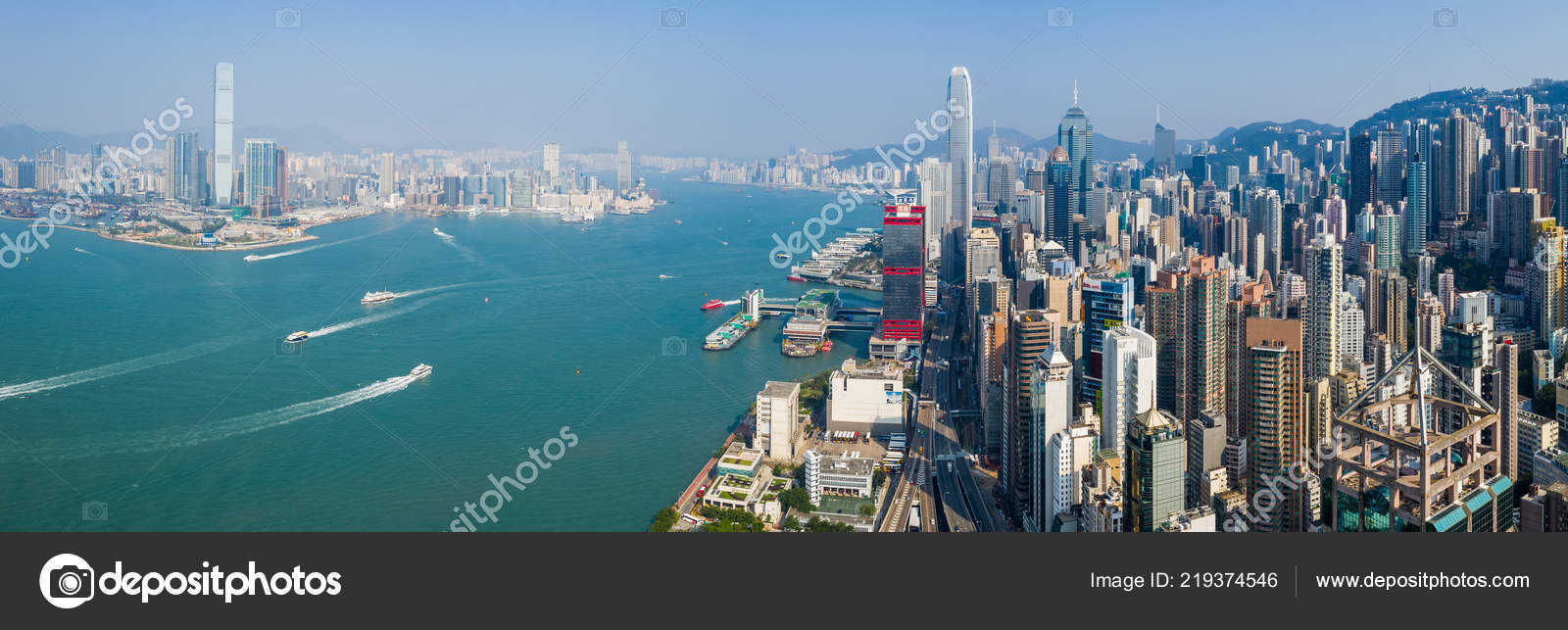
The Star Ferry at dusk. Central to Tsim Sha Tsui, open lower deck, and if the timing works go from Kowloon back toward the island so the skyline builds in front of you. It costs less than a dollar and it is the best value sightseeing in Asia.
Dinner in Kowloon. A cooked food centre above a market, or a roast meat shop, or wonton noodles. Not a hotel dining room on the first night.
Day two: Kowloon at street level
Kowloon is denser, louder, less polished and, for a lot of our travellers, the day they remember.
Jordan and Yau Ma Tei from about nine. The jade market, the fruit market, and the shops selling paper offerings to burn: paper mansions, paper phones, paper roast pigs. The Yau Ma Tei Tin Hau temple with its banyan trees and the old men playing chess outside.
Mong Kok mid morning. The most densely populated few streets on earth, and worth walking rather than stopping in. The flower market, the bird garden where men bring their songbirds out for the morning, the goldfish street with its bags of fish hanging outside shopfronts. This is the district that explains Hong Kong’s density better than any statistic.
Lunch in a cha chaan teng. Milk tea, pineapple bun with butter, macaroni soup, and the whole thing for about six dollars.
Tsim Sha Tsui afternoon. The Hong Kong Museum of History if you want the territory explained properly in two hours, or the art museum on the waterfront. Then the promenade along the harbour, which is where the city puts itself on display.
The harbour at eight. The nightly light and sound show is, honestly, modest. The harbour itself at eight is not. Watch from the promenade or from the deck of a ferry, and treat the show as a bonus rather than a reason.
Temple Street after eight. For the food stalls, the clay pot rice and the seafood, not for the shopping, which is more ordinary than its reputation.
Day three: Lantau, the Buddha and Tai O
The big island, which is where the airport is and also where the trip stops feeling urban.
Go early. The Ngong Ping cable car from Tung Chung takes about twenty five minutes over the water and the hills, and the queue at ten is a fraction of the queue at midday. In spring the plateau frequently sits in cloud, in which case we move the day and tell you why.
The Big Buddha and Po Lin monastery. 268 steps to the statue, a working monastery below it, and a vegetarian lunch in the refectory that is plain and good.
Tai O in the afternoon. A stilt village on the western tip of the island, houses on posts over the tidal creek, shrimp paste drying in the sun, and one of the few places in the territory that still looks like the fishing settlement it was. An hour of wandering plus a boat out to look for the pink dolphins, which are genuinely there and not guaranteed.
Back by six. This is a long day and the evening should be short: a neighbourhood dinner near the hotel and an early night, because day four starts early.
The alternative. If you would rather have the sea than the statue, swap Lantau for a ferry to Cheung Chau: a small fishing town with no cars, a beach, temples, and a seafood lunch on the waterfront. Twenty five minutes from Central. Some of our best Hong Kong days have been this one.
Day four: a ridge, a beach and the Peak at last light
The day that surprises people, because most visitors never learn that three quarters of Hong Kong is country park.
The Dragon’s Back, early. A ridge walk above the south east coast of Hong Kong Island, reached by bus in under an hour from Central. About 5 miles (8 km) end to end, two to three hours at an easy pace, with a climb of a few hundred feet and long views over Shek O, Big Wave Bay and the South China Sea. It is not hard and it does not require boots. In summer, do it before nine or not at all. More options are in the hiking trails almost no visitor finds.
Shek O for lunch and a swim. The walk ends near the coast. A beach, a village of a few streets, and a Thai restaurant that has been there forever.
The Peak at last light. Take the tram up from Garden Road in the late afternoon, be on the terrace as the light goes, and watch the city switch on. Before you pay for the terrace, walk the Lugard Road loop from the tram terminus: it is free, flat, about an hour, and the views from it are better and quieter than the paid platform.
If the day is genuinely hazy or foggy, we skip the Peak entirely and put the evening on the water instead. A view of grey is not worth a queue.
The alternatives, named
Five days instead of four. Add either a night in Macau or a second island and a proper walk, plus one morning that belongs to you. This is our standard build and the version we would choose ourselves. See classic Hong Kong in 5 days.
Seven days. Two or three real walks, an outlying island stay, and Macau. The most Hong Kong we will sell without adding somewhere else.
Two days. A stopover, and a good one. One major thing per day and nothing forced. How many days do you need sets out the trade-offs.
Fourteen days. Hong Kong is the frame rather than the picture: the city, Macau, then Guilin and Yangshuo by direct high-speed rail in about three and a half hours. See Hong Kong, Macau and Guilin in 14 days.
A summer version. From June to September we rebuild this route with the outdoor material before ten and after five, covered alternatives in every day, and the hill day placed late so it can be moved around a typhoon signal.
Why this order
Three reasons the days run as they do.
The island first, because it is the gentler introduction and it works on a jet-lagged brain. Kowloon second, once you have a sense of the shape of the place. Lantau third because it is the longest day and you want two nights of sleep behind you. And the hill last because by then you have earned the view and you know what you are looking at from the Peak.
The other principle is one big thing per day. Four days containing the Peak, Lantau, Macau, two markets and a night market is the itinerary people come home tired from.
Plan this trip
Tell us your dates and the places you want to see, and we build your trip as a $39 day-by-day plan, with recommended hotels by level and every transfer set out step by step.
Keep reading
- Hong Kong: the complete guide to planning your trip
- How many days do you need in Hong Kong?
- The Hong Kong hiking trails almost no visitor finds
- Macau in one night or two
- Classic Hong Kong in 5 days
- All our Hong Kong trips