
A first trip to Japan rarely goes wrong because of the things people worry about. Nobody gets lost for long, nobody starves, and almost everybody finds the country easier than they expected. What catches first-timers out is quieter: a 14-day plan that reads like a train timetable, a suitcase that needs its own Shinkansen reservation, a tax-free rule that changed on 1 November 2026, and a handful of local rules that did not exist three years ago. Here are the ten things our travellers say actually surprised them, updated for autumn 2026.
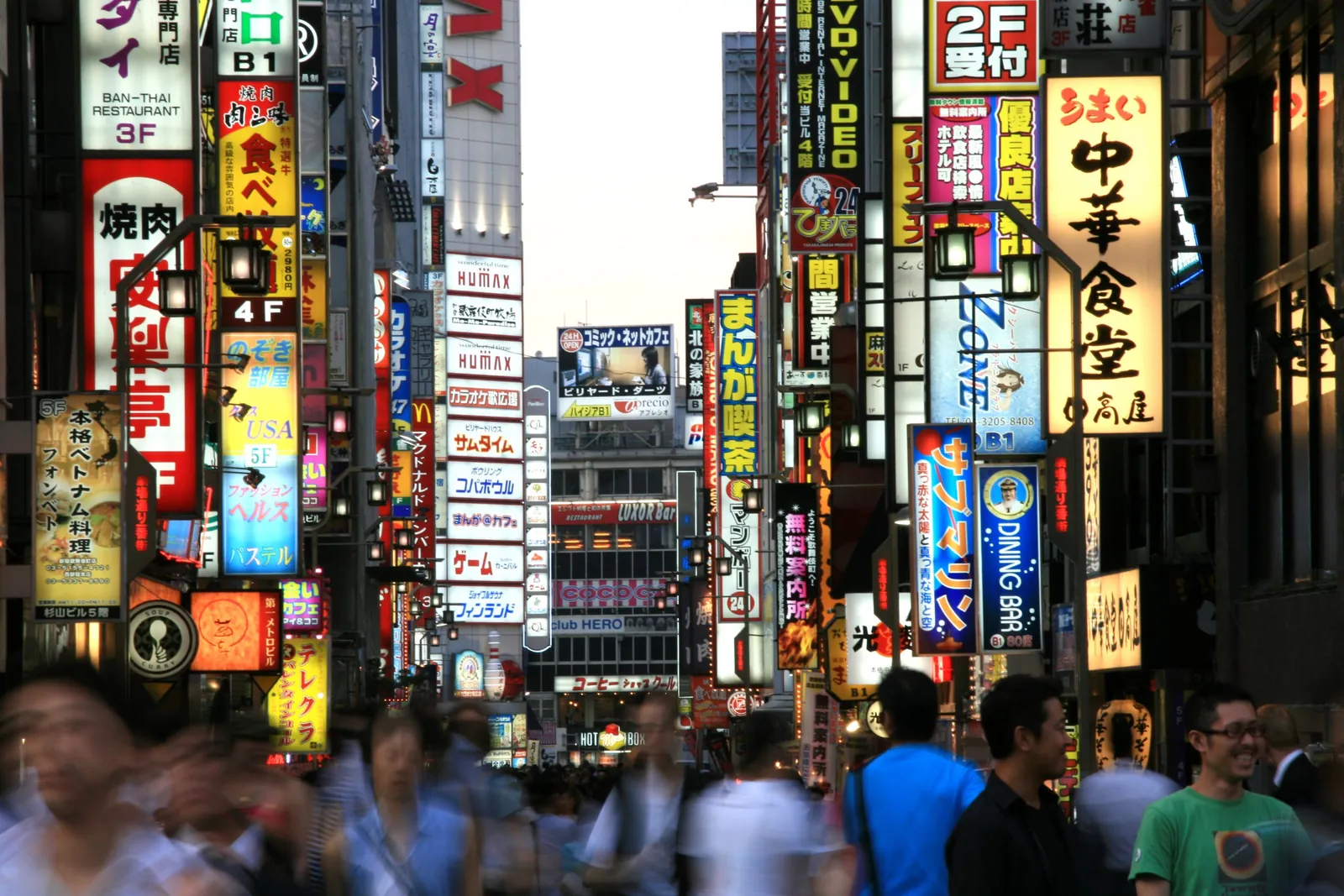
One: the trains are so good that people over-plan
The Shinkansen between Tokyo and Kyoto takes about two hours and fifteen minutes, runs every few minutes, and leaves to the second. That is the problem. A first itinerary built on the bullet train usually has six or seven bases in two weeks, because the map says every move is easy. Every move is easy. Every move is also half a day gone to packing, checking out, walking to the station and finding the hotel at the other end.
The rule we use: three bases in ten days, four in fourteen, and one of them should not be on the Tokyo to Osaka line at all. Our how many days do you need in Japan article sets out the maths, and what we would skip in Japan is the honest list of stops that tend to get cut from a second trip.
Two: your suitcase may need a ticket
On the Tokaido and Sanyo Shinkansen, the line that joins Tokyo, Kyoto, Osaka and Hiroshima, any bag whose three dimensions add up to between 160 cm and 250 cm must travel in a seat with an oversized-baggage space, reserved in advance. The reservation is free; turning up without one is not, and conductors do check. Bags over 250 cm cannot board at all. A standard large check-in case usually sits at 150 to 158 cm, so measure before you leave and book the right seat if you are close to the line.
The cleaner solution is the one Japanese travellers use: ship the big case ahead with a luggage-forwarding service (takkyubin) from hotel to hotel for roughly the price of a taxi, and ride the train with an overnight bag. We build this into every plan.
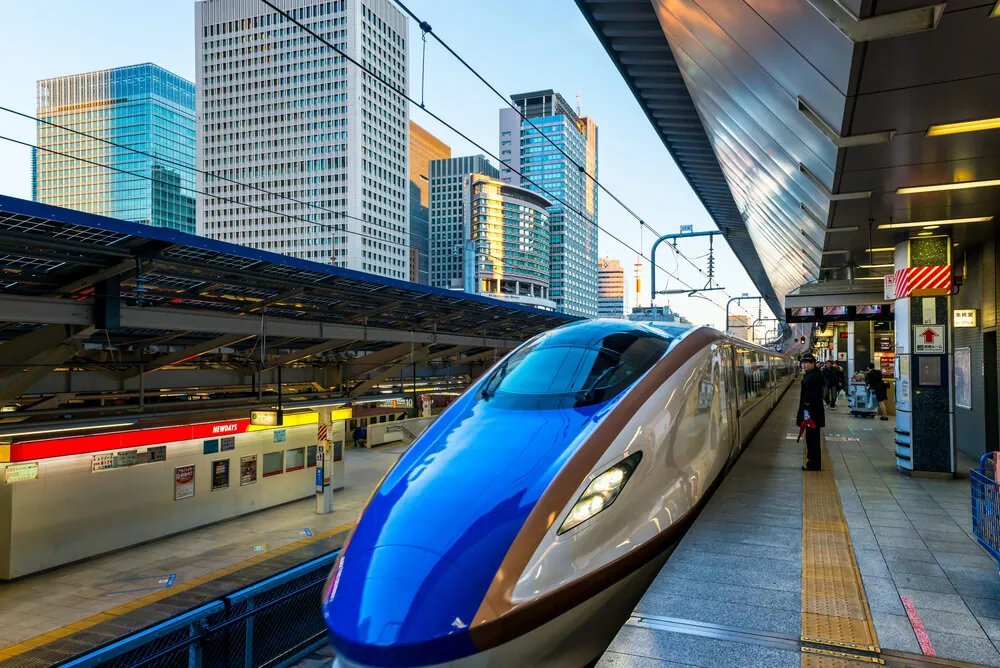
Three: cash is no longer king, but it has not abdicated
In 2026 you can pay by card or phone in almost every chain, department store, convenience store and city restaurant. Where you still need cash: small family restaurants, temple admission desks, ramen shops with a ticket machine at the door, rural buses and most ryokan extras. Carry the yen equivalent of about 100 dollars per person and top up at 7-Eleven ATMs, which accept foreign cards and are everywhere.
For transport, put a Suica on your phone before you fly. The Welcome Suica Mobile app issues a card to an iPhone or Apple Watch in a minute, with no Japanese address and no membership, and tops up from Apple Pay. It is valid for 180 days. Android phones bought outside Japan cannot run it, because the card needs Sony’s FeliCa chip, so Android users buy a physical Welcome Suica from the machines at Haneda or Narita. Either version works on trains, buses, vending machines and convenience stores across the country.
Four: it is cheaper than you think, until it is not
With the yen trading at roughly 155 to 160 to the dollar in autumn 2026, Japan is one of the best-value developed countries to eat in. A proper bowl of ramen is 1,000 to 1,500 yen, a set lunch at a good tempura counter is around 2,000, and a convenience-store breakfast that would shame most hotel buffets is 600. Trains, museums and temples are reasonable.
Hotels are the exception, and in the two peak seasons they are the whole budget. Cherry-blossom week in Kyoto and the autumn-colour fortnight in November price like Paris in fashion week, and the good ryokan sell out five or six months ahead. Kyoto has also raised its accommodation tax since March 2026: it now runs on a sliding scale from 200 yen a night in the cheapest rooms to 10,000 yen a night in rooms over 100,000 yen. Our two-week cost breakdown shows where the money actually goes.
Five: the shopping rules changed on 1 November 2026
Until the end of October 2026, tax-free shopping in Japan meant showing your passport at the counter and paying the price without the 10 percent consumption tax. From 1 November 2026 the system is a refund: you pay the full price in the shop, register your receipts and passport once on the J-TaxRefund site by scanning the receipt’s QR code, show the goods at customs when you leave, and the tax comes back afterwards by the method you chose. The old rules on sealed bags and the 500,000 yen limit on consumables have gone with it. The practical consequences: budget for paying the tax up front, keep the purchases where you can show them at the airport, and arrive a little earlier for your flight.
Two other fees changed this year. The International Tourist Tax, paid on departure, rose from 1,000 to 3,000 yen on 1 July 2026; it is built into your air fare, so you will see it on the ticket breakdown rather than at the airport. And the much-discussed Japanese online travel authorisation, JESTA, is not here yet: the government’s plan targets introduction by the end of fiscal 2028, so a trip in 2026 or 2027 needs nothing beyond a passport for most Western nationalities.
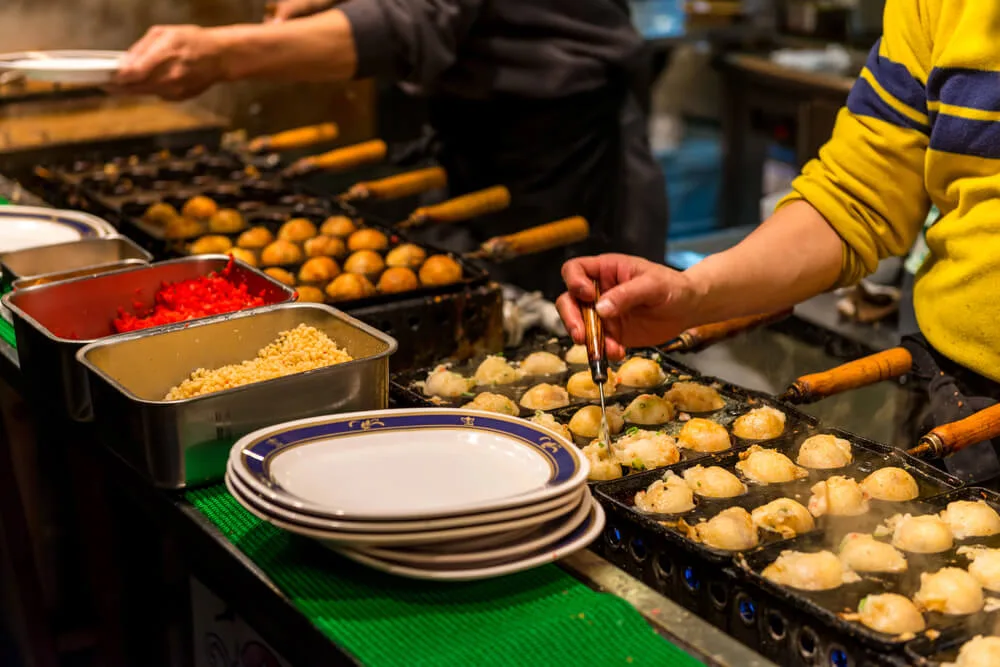
Six: some famous places now have rules, fees or both
Japan received a record number of visitors in 2025 and has spent 2026 managing the consequences. A short list of what has changed where first-timers go:
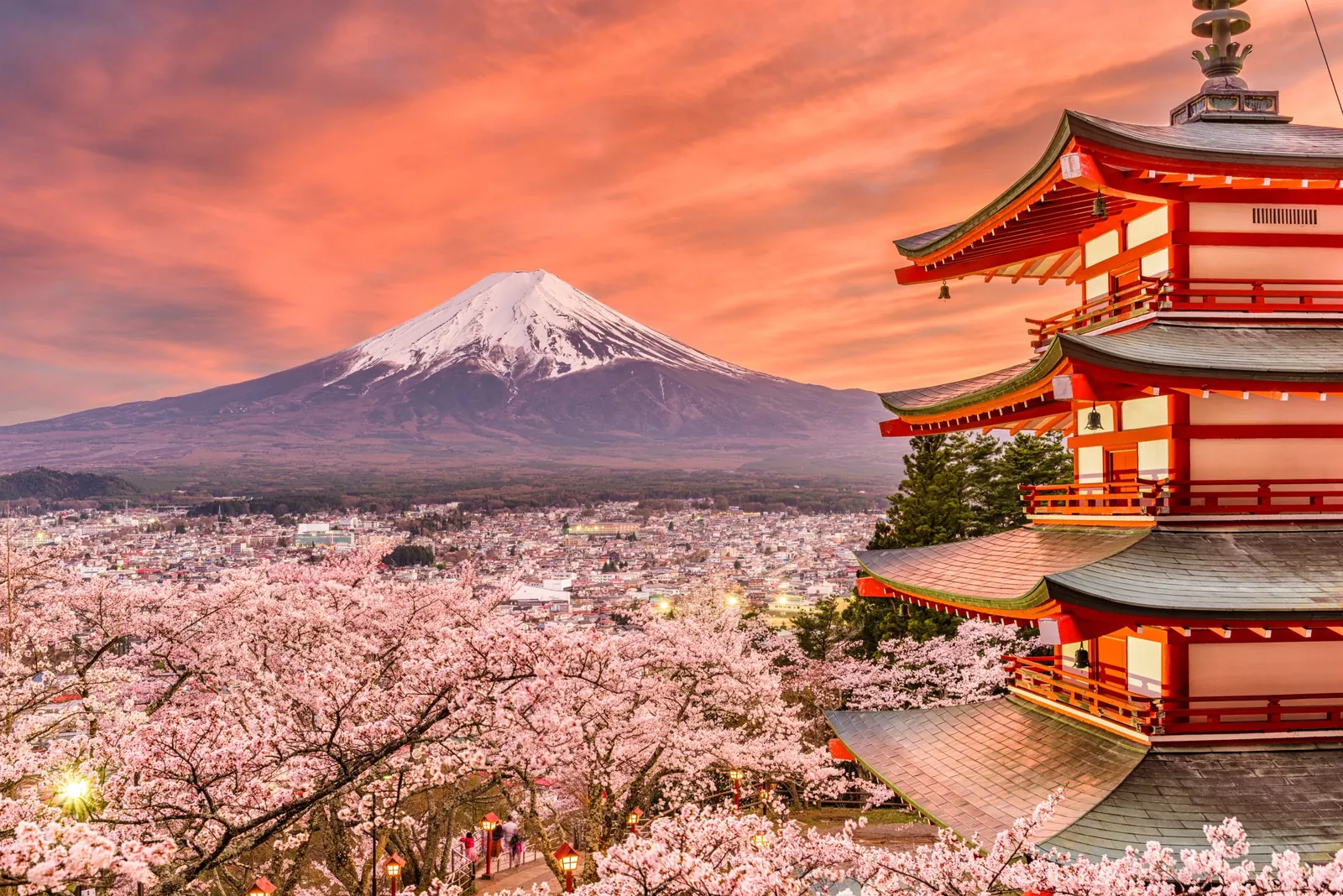
- Mount Fuji. Climbing (July to early September) now costs 4,000 yen on every trail, needs an advance registration, and the Yoshida trail is capped at 4,000 climbers a day. Without a mountain-hut booking, the gate closes to you at 2 p.m., which ends the overnight “bullet climb” that used to fill the trail.
- Gion, Kyoto. The private alleys off Hanamikoji have been closed to tourists since April 2024, with a posted 10,000 yen penalty. The main street is open; the geisha are not a photo opportunity.
- Shibuya, Tokyo. Drinking on the street around the station and the crossing is banned every night from 6 p.m. to 5 a.m., all year. There is no fine, only patrols, but the convenience stores nearby stop selling alcohol on busy nights.
- Himeji Castle. Since March 2026 entry is 2,500 yen for anyone who is not a resident of Himeji city, up from 1,000, and the castle reported admissions down and revenue up within a month. Expect more of this: the Japan Tourism Agency is drafting national guidelines on two-tier pricing for early 2027.
None of this changes a well-planned trip. It does change a trip planned from a 2023 blog post.
Seven: the quiet rules matter more than the loud ones
The things that make Japanese cities pleasant are the things visitors most often get wrong without noticing. Nobody eats while walking; you buy, step aside, eat, and then move on. There are almost no public bins, so the wrapper goes in your bag until the next convenience store. Phones are silent on trains and nobody talks into them. You queue in the marked lines on the platform and let people off first. In an onsen you wash before you get in, you do not wear a swimsuit, and most traditional baths still refuse visible tattoos, although many hotels now offer private baths or cover-up stickers. Our ryokan etiquette guide covers the inn specifically, and the honest version is that staff forgive almost everything except shoes on tatami.
Eight: dinner closes early and the last train is real
Outside the big nightlife districts, kitchens take their last orders around 9 p.m. and many good restaurants close at 10. The popular ones, the sushi counter you read about, the tempura place with eight seats, book out weeks ahead, and more and more of them now take reservations only through a hotel concierge or a booking platform with a deposit. Plan dinner the way you plan museums.
Then there is the last train. Tokyo’s subway and JR lines stop between midnight and 1 a.m., and a taxi from Shibuya to a hotel in Asakusa after that costs more than the dinner. We put the hotel where the evenings are, not where the sights are, which is the whole argument of Tokyo in four days, by neighbourhood.
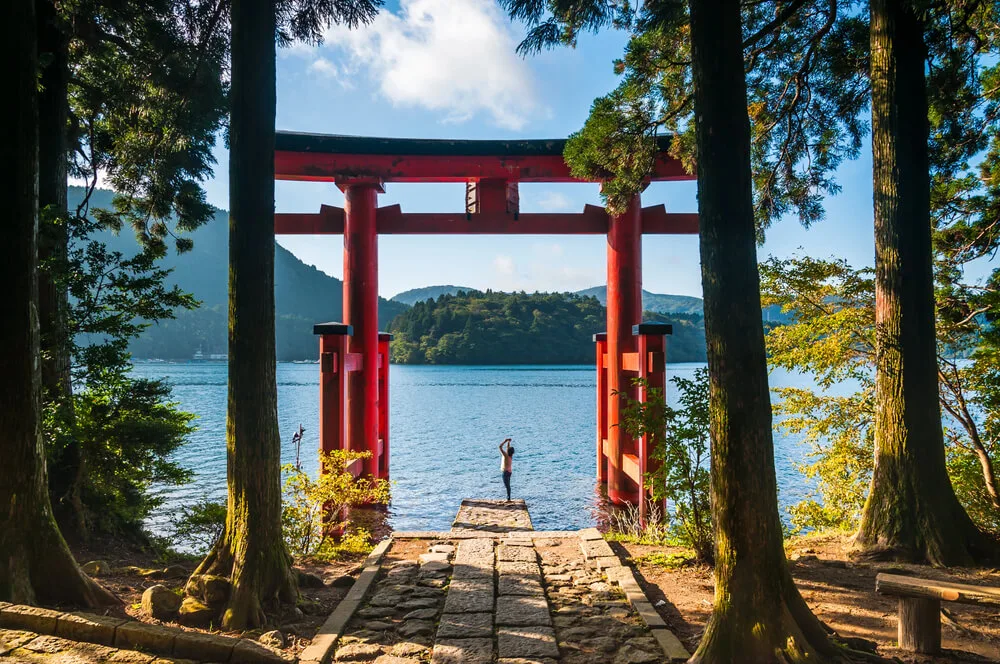
Nine: the “golden route” is only half the country
Tokyo, Hakone, Kyoto, Nara and Osaka are the right first trip. They are also where the crowds are, and in 2026 a first-timer who adds one place off the line comes home with a different story. Kanazawa is two and a half hours from Tokyo on its own Shinkansen and has the best garden, the best fish market and the most intact samurai and geisha quarters outside Kyoto, with a fraction of the people. Takayama and the Alps, Hiroshima and Miyajima, the Kumano Kodo pilgrimage trails and the hot-spring towns of Kyushu each take two or three days and each one earns them. Our 14 days through the Alps and classic Japan in 14 days show the two ways of doing it.
Ten: the seasons decide the trip, and the calendar decides the price
Japan has four real seasons and two of them are events. Cherry blossom runs from late March in Tokyo and Kyoto to early May in Hokkaido; autumn colour runs from mid-October in the north to early December in Kyoto. Both are glorious and both double hotel prices. The weeks to avoid for cost and crowds are Golden Week, from 29 April to 5 May, Obon in the middle of August, and the New Year holiday from about 29 December to 3 January, when the whole country travels and many restaurants and museums close.
The months people underrate: late May and early June, after Golden Week and before the rains, when Kyoto is green and quiet; October, which is dry and warm almost everywhere; and February, when Tokyo is cold, bright and cheap and the snow country is at its best. The month-by-month detail is in Japan month by month, and the autumn question specifically in Kyoto in autumn, week by week.
How we plan a first trip to Japan
We start from your dates and work backwards: which season you will actually get, which three or four bases fit it, and where the one off-route stop goes. Then the practical layer that first-timers cannot easily do from abroad: ryokan and restaurant reservations with deposits, Shinkansen seats with the right baggage space, luggage forwarding between hotels, and the Suica, Visit Japan Web and tax-refund setup explained for your phone. We build your trip as a $39 day-by-day plan, with recommended hotels by level and every transfer set out step by step.
Keep reading
- Japan: the complete guide to planning your trip
- Japan month by month: when to go
- Is the Japan Rail Pass still worth it? We ran the numbers
- Japan with children: what works at which age
- What we would skip in Japan
- All our Japan trips