
For most first trips, stay in Kyoto and visit Osaka for a day or an evening: the two cities are about 30 minutes apart on JR’s Special Rapid train, and Kyoto’s temples reward an early start that only a Kyoto bed makes easy. Base yourself in Osaka instead if you are on a tighter budget, flying in and out of Kansai Airport, travelling with children who need more than temples, or want food and nightlife on your doorstep. With five nights or more, two bases (three nights in Kyoto, then two in Osaka) usually beats one.
Who this is for: couples, families and friends planning 3 to 7 nights in the Kansai region, usually as part of a 10 to 16 day Japan trip, who are deciding where to book hotels.
Updated: October 2026 · Doron Reichman, founder, Go East Travel
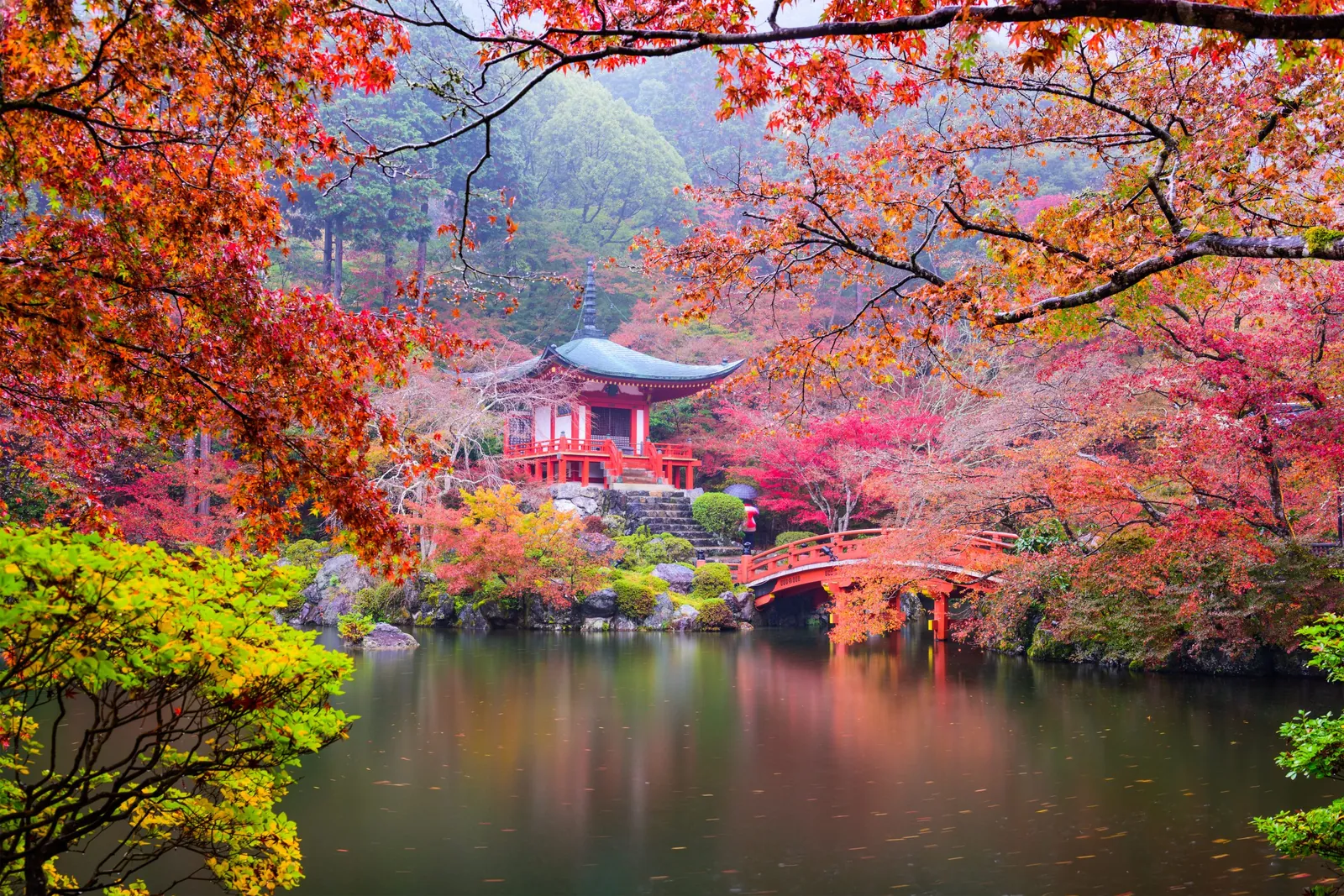
Kyoto and Osaka are so close that the real question is where you want to wake up. Kyoto is temples, gardens and quiet lanes that empty by nine at night; Osaka is neon, markets and late dinners, with better connections to the airport. Here is how we decide, for each type of traveller, with the travel times and two practical changes from 2026 that affect your budget and your bags.
How far apart are Kyoto and Osaka?
Close enough to commute, far enough that you notice it twice a day. There are four ways to make the trip, and the right one depends on where in each city you are staying:
- Shinkansen, Kyoto to Shin-Osaka: about 15 minutes. Fastest on paper, but Shin-Osaka sits north of the centre, so add a metro or local train to reach Umeda or Namba. Covered by the national Japan Rail Pass on Hikari and Kodama trains.
- JR Special Rapid, Kyoto to Osaka (Umeda): about 30 minutes. Trains run every 15 minutes or so through the day, with no reservation needed. For most trips this is the one to use: it arrives in central Osaka and costs a fraction of the Shinkansen fare.
- Hankyu Kyoto Line, Kyoto-Kawaramachi to Osaka-Umeda: about 45 minutes on the limited express. Useful if your Kyoto hotel is downtown around Shijo or Kawaramachi, because you skip the trip to Kyoto Station. Not covered by the JR Pass.
- Keihan Main Line, Gion-Shijo to Yodoyabashi: about 50 minutes. It runs along the Kamo River side of Kyoto, so it suits hotels near Gion, and it also stops at Fushimi Inari on the way.
The practical lesson: a “30 minute” trip becomes an hour door to door once you add the walk to the station and a change of line. Two round trips in a day feel like a lot. Pick the base that matches where you will spend most of your mornings. Whether the national pass pays for itself on a route like this is worked through in is the Japan Rail Pass worth it.
Is it better to stay in Kyoto or Osaka?
It depends on what you want from the first hour of the day and the last hour of the night.
Stay in Kyoto if…
- You want the temples before the tour groups. Fushimi Inari’s gates are open around the clock, and Kiyomizu-dera opens early in the morning. At 7am both are calm; by 10am they are not. That only works if you are already in Kyoto.
- It is your first trip to Japan and the classic sights are the point. Most of what people come to Kansai for (Gion, Higashiyama, Arashiyama, the Philosopher’s Path, the gardens) is in Kyoto.
- You want a ryokan night. Kyoto has more traditional inns within walking distance of the old districts.
- You prefer quiet evenings. Kyoto restaurants close earlier, and the old lanes at dusk are part of the reason to stay.
Stay in Osaka if…
- Food and nightlife come first. Dotonbori, Namba and the backstreets of Umeda are busy until late. Start with where to eat in Osaka without queueing for two hours.
- You are on a tighter budget. Osaka has more hotel stock at every level, and rooms are usually cheaper than in central Kyoto on the same dates.
- You fly in or out of Kansai Airport, especially on an early flight. Osaka is closer, with more direct options.
- You travel with children who need variety: the aquarium, Universal Studios Japan and a city that never runs out of things to eat.
- You plan day trips west, to Kobe or Himeji, which are noticeably quicker from Osaka.
One base or two?
With three or four nights, one base is better: every hotel change costs you half a morning. With five nights or more, two bases usually win, because you get Kyoto’s early mornings and Osaka’s evenings without commuting for either. The order matters too. Most of our travellers do Kyoto first, while they are fresh for walking and early starts, and finish in Osaka, which is closer to Kansai Airport for the flight home.
| Nights in Kansai | Where to sleep | How to use the days |
|---|---|---|
| 3 | 3 Kyoto | Two full days in Kyoto; Osaka for one evening by Special Rapid |
| 4 | 4 Kyoto, or 3 Kyoto + 1 Osaka | Three Kyoto days, Nara as a half day, Osaka for the last night if you fly from Kansai |
| 5 | 3 Kyoto + 2 Osaka | Kyoto with Arashiyama and Uji; Nara on the move day; one full Osaka day |
| 6 | 4 Kyoto + 2 Osaka | Add a slower Kyoto day or Uji; Himeji or Kobe as a day trip from Osaka |
If Kansai is one stop on a longer route, how many days you need in Japan shows how these nights fit around Tokyo, the Alps or Hiroshima.
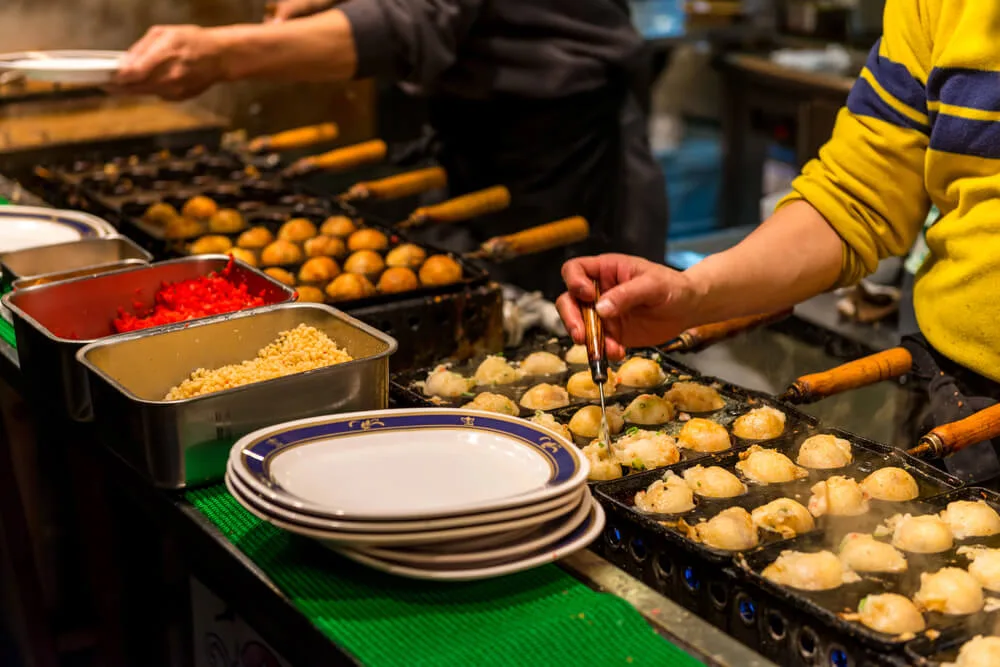
Which day trips work from which base?
The day trips are where the choice of base pays off or costs you. A rough guide, by train:
- Nara works from both. From Kyoto, the JR Nara Line rapid takes about 45 minutes; from Osaka, the Kintetsu line from Namba arrives a short walk from the deer park. Our favourite way to do it: check out of Kyoto in the morning, send the bags ahead (see below), spend the day in Nara and arrive in Osaka for dinner.
- Arashiyama and Uji are Kyoto trips. Both are 15 to 30 minutes from Kyoto Station on JR. From Osaka, add an hour each way, and you lose the early morning that makes the bamboo grove worth it.
- Himeji is an Osaka trip. The castle is around 30 minutes from Shin-Osaka by Shinkansen, or about an hour on the Special Rapid from Osaka Station. From Kyoto it is a long day.
- Kobe is about 20 minutes from Osaka on JR, so it fits an afternoon and an evening, with dinner in Kobe and back to the hotel.
What changed in Kyoto in 2026: the accommodation tax
Kyoto city raised its accommodation tax on 1 March 2026. The tax is charged per person, per night, according to the room rate per person, and the hotel collects it on top of the room price. The new bands, according to the City of Kyoto announcement (checked October 2026), are:
| Room rate per person, per night | Tax per person, per night |
|---|---|
| Under ¥6,000 | ¥200 |
| ¥6,000 to under ¥20,000 | ¥400 |
| ¥20,000 to under ¥50,000 | ¥1,000 |
| ¥50,000 to under ¥100,000 | ¥4,000 |
| ¥100,000 and over | ¥10,000 |
For a couple in a mid-range hotel, the change is small: a few hundred yen more per night. At the top end it is real money. Before March, the highest rate was ¥1,000; a couple in a luxury ryokan charging ¥60,000 per person now pays ¥8,000 a night in tax alone, for two. If you are choosing between a luxury stay in Kyoto and one in Osaka, include it in the comparison. Osaka Prefecture also charges its own accommodation tax, at lower rates, so check the booking terms for both.
How do I move between Kyoto and Osaka with luggage?
Ideally, you don’t carry it. Kyoto city has been asking visitors to keep big suitcases off its crowded buses, and there are two good ways around them.
- Same-day delivery from Kyoto Station to your hotel. Hand in your bags at the station counter and they arrive at your Kyoto hotel the same day, as long as you complete the drop-off before 2pm, according to the city’s Hands Free Kyoto service page (checked October 2026). Delivery between hotels inside Kyoto, and from your hotel back to Kyoto Station, is also offered. Not every hotel takes part, so ask before you rely on it.
- Same-day transfer between cities by Shinkansen. JR West’s hands-free service sends luggage ahead from major stations, including Kyoto, Shin-Osaka and Osaka, for collection later the same day. Lockers that deliver to hotels in Osaka and Kyoto are also available at those stations.
- Overnight courier (takkyubin) from your hotel front desk is the simplest option if you can manage one night with a small bag. It is the usual choice when Kansai is followed by Hiroshima or Tokyo.
On the Special Rapid there is no luggage area and no reserved seat, so a large case at rush hour is a nuisance for you and everyone around you. On the Shinkansen, an oversized case needs a seat with an oversized baggage area booked in advance.
When are Kyoto and Osaka most crowded?
Kyoto’s two peaks are cherry blossom (late March to early April) and the autumn leaves (mid-November to early December). In those weeks, hotels in central Kyoto fill months ahead and prices rise sharply; staying in Osaka and coming in early by Special Rapid is a reasonable fallback. Timing within the day matters more than the season, though. The famous sights are calm before 8am and after 5pm. Plan the big names for the edges of the day and the quieter temples for the middle. For autumn, we have a week-by-week view in Kyoto in autumn.
Golden Week (late April to early May) and Obon (mid-August) bring domestic crowds to both cities, and July and August are hot and humid.
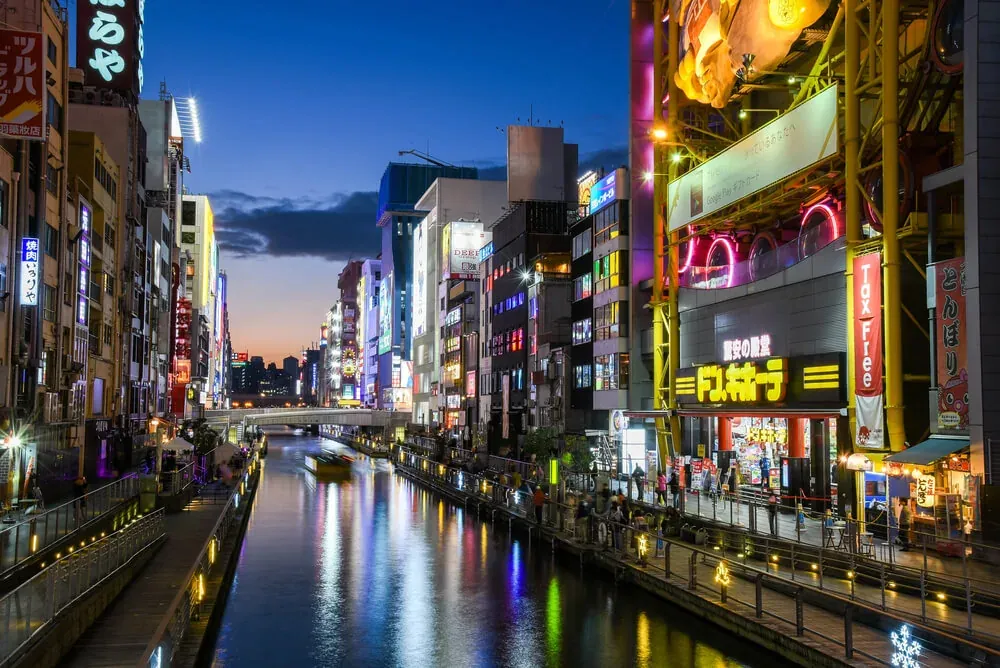
Where in each city should I stay?
In Kyoto, the area around Shijo and Kawaramachi (downtown) or Gion and Higashiyama puts you within walking distance of the old districts and restaurants. Near Kyoto Station is less atmospheric but convenient if you have early trains or many day trips. In Osaka, Umeda (around Osaka Station) is the transport hub, handy for day trips and the Special Rapid to Kyoto; Namba and Shinsaibashi are the eating and nightlife districts, and have direct trains to Kansai Airport and Nara. If this is your first visit to the country, Japan for the first time covers the rest of the basics.
How we plan Kyoto and Osaka
We start with your dates and flights: the season you will get, which airport you leave from, and whether Kansai is the start, the middle or the end of the trip. Then we decide the split, the order and the move day, and set out every transfer, including which line to take from which hotel and how the bags travel. We build your trip as a $39 day-by-day plan, with recommended hotels by level in the right neighbourhoods and the day trips placed on the days that suit them.
Keep reading
- All our Japan trips
- Japan for the first time
- How many days do you need in Japan?
- Where to eat in Osaka
- Is the Japan Rail Pass worth it?