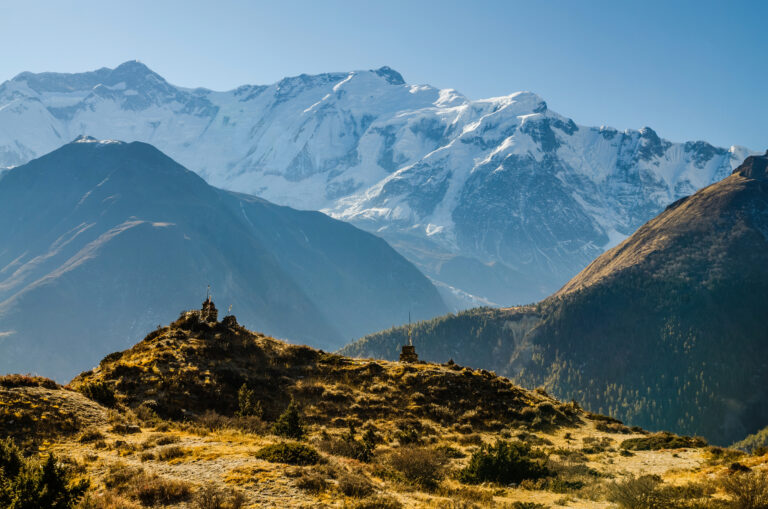
That is the reason this article opens with physiology rather than with temples. After it come the eight other things that surprise people, in the order they arrive.
1. Altitude, which is the whole thing
We will not soften this section, because getting it wrong is what ruins Nepal trips and occasionally something worse.
What actually happens
Above roughly 8,000 feet (2,400 m) there is meaningfully less oxygen in each breath. Your body compensates over days by breathing faster and by producing more red blood cells. If you climb faster than it can adapt, you get acute mountain sickness.
It is not related to fitness. Extremely fit people get it. It is not related to age, sex or previous experience, and someone who was fine at 15,000 feet last year can be ill at 12,000 feet this year. There is no way to predict it in advance and no test worth taking.
The symptoms to know
Mild acute mountain sickness: headache, nausea, loss of appetite, dizziness, unusual fatigue and broken sleep. Roughly speaking, if you feel like you have a bad hangover at altitude, assume it is altitude.
The rule is simple and non-negotiable: do not climb higher with symptoms. Stop, rest at the same height, drink, and see whether it clears. If it does not clear, or if it worsens, go down. A descent of 1,500 to 3,000 feet (450 to 900 m) usually resolves it quickly.
Two rarer conditions are genuine emergencies. High altitude pulmonary oedema shows as breathlessness at rest, a persistent cough, sometimes frothy sputum and a blue tinge to the lips. High altitude cerebral oedema shows as confusion, loss of coordination, an inability to walk a straight line, and severe headache that does not respond to painkillers. Either one means immediate descent, at night if necessary, and evacuation. Our guides are trained to recognise both and carry a pulse oximeter.
How we plan around it
- Above 10,000 feet (3,000 m), we limit the gain in sleeping altitude to roughly 1,600 feet (500 m) a day. Where you walk during the day matters far less than where you sleep.
- We build a full acclimatisation day for roughly every 3,300 feet (1,000 m) gained. On the Everest route that means fixed rest days at Namche Bazaar and Dingboche. These are not padding and we will not remove them to shorten a trip.
- Acclimatisation days are active: a short climb high in the morning, then back down to sleep. Lying in a lodge all day is worse than a gentle walk.
- We build the route so there is always a way down.
Your guide checks the group every evening above 10,000 feet and has the authority to turn someone around. Our guides descend rather than argue, and that authority is not negotiable. We tell people so before they book, because the alternative is arguing about it at 16,000 feet with a headache.
Acetazolamide, sold as Diamox, is sometimes prescribed to help acclimatisation. That is a conversation with your own doctor before you travel, not with us, and it is never a substitute for going up slowly.
2. The teahouses are basic, and this is the part brochures skip
A teahouse is a family-run lodge on the trail. Your room is a plywood-walled twin with two narrow beds, a foam mattress, a pillow, blankets and nothing else. There is no heating in bedrooms anywhere on any route. The bathroom is usually shared and often outside, and above a certain altitude the plumbing freezes and becomes a bucket. Hot showers are charged as an extra and are sometimes a bucket of hot water. Charging a phone or a battery costs money, and at higher lodges it costs a surprising amount. Wifi where it exists is slow and paid for.
The dining room has one stove, usually burning yak dung, lit in the late afternoon, and it is the only warm room in the building. Everyone eats there together and it is the best part of the day. Bring a sleeping bag or a good liner, because higher up the blankets are not enough.
None of this is a failure of the arrangements. It is the experience, and people who understand it in advance enjoy it enormously.
3. Kathmandu is loud, and that is not a criticism
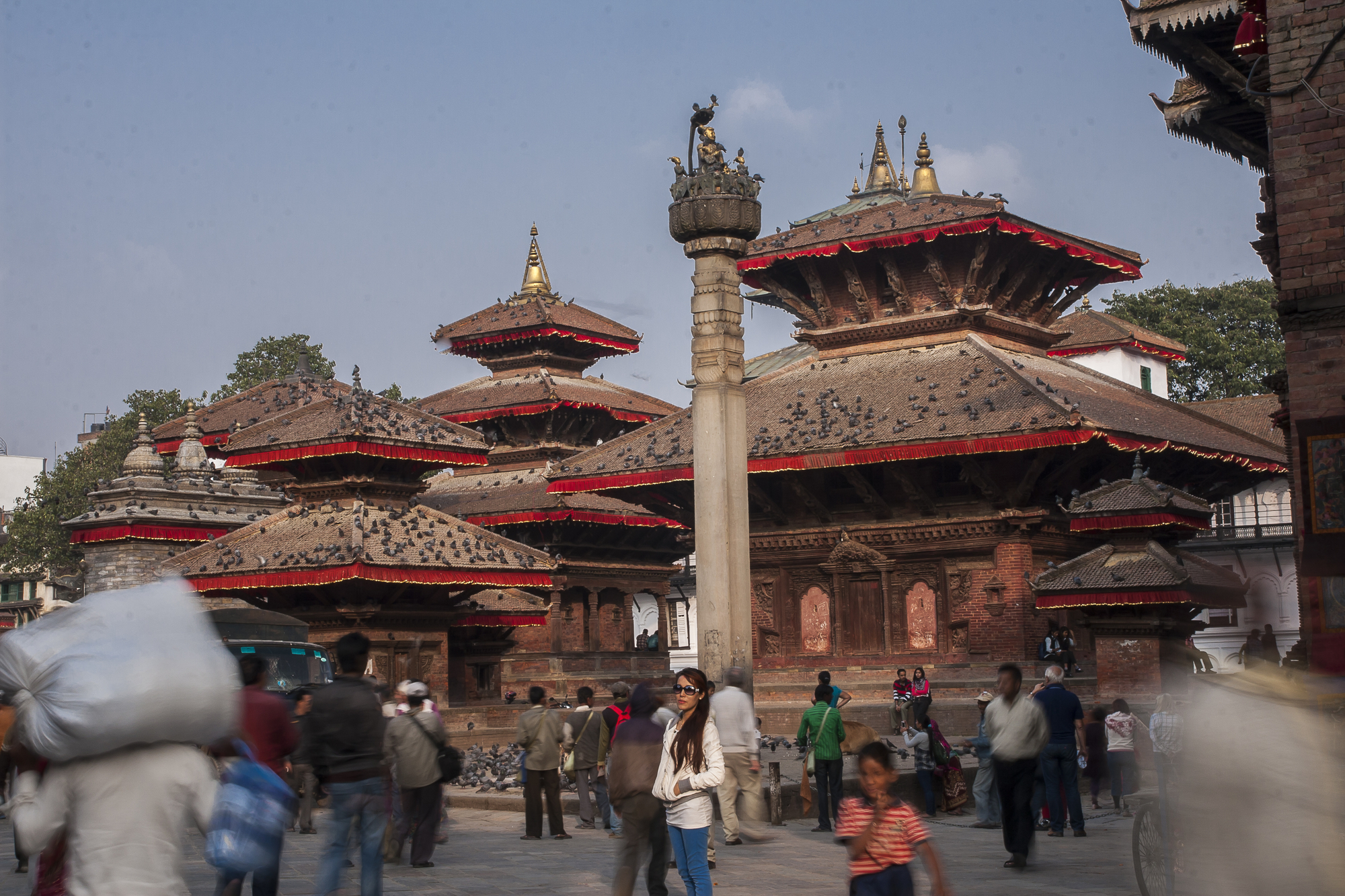
First impressions are traffic, dust, horns and cables. It is a city of dense old lanes carrying modern traffic volumes, and the air quality in winter is poor because cold air traps everything in the valley.
Two things fix most of it. We choose hotels by neighbourhood, usually in Patan or the quieter lanes north of Thamel rather than in Thamel itself. And we schedule nothing on arrival day beyond a private transfer.
Give the valley three or four days rather than two and it turns from an obstacle into the second-best thing in the country, which is the case made in the Kathmandu valley in four days.
4. Roads are slow, and flights are unreliable
Kathmandu to Pokhara is about 125 miles (200 km) and takes six to eight hours by road, or 25 minutes by air. Kathmandu to Chitwan is five to six hours by road, or a short flight to Bharatpur. Internal flights use small aircraft, are weather-dependent and are frequently delayed, so we build the day around that rather than around the timetable. Anything involving the airstrip at Lukla needs buffer days, which is covered in how many days do you need in Nepal.
5. Permits and a guide are required, and that is a good thing
Every trekking route in Nepal requires permits, and since 2023 a licensed guide has been required in the national parks. Independent solo trekking there is not permitted. We regard this as sensible rather than bureaucratic, and it was already how we operated. We arrange all permits in your names in advance, and we use guides we have worked with and equipped rather than whoever is free that week. Porters carry the main bags, with the load capped and the wages paid properly.
6. The food on the trail is the same everywhere, deliberately
The teahouse menu is standardised the length of the trail: dal bhat, fried rice, noodle soup, potatoes, eggs, and increasingly pizza, which you should not order. Dal bhat comes with refills and is what the guides and porters eat, for good reason. Above about 11,500 feet (3,500 m) we advise skipping meat entirely, because it has walked up the same hill you did without refrigeration.
Off the trail the food is better than its reputation, and the Newari cooking of the valley is a genuine cuisine most visitors never encounter.
7. You will see the mountains, or you will not, and the month decides
October and November give the clearest air of the year. March and April are warmer, greener and hazier. From roughly mid-June to mid-September the monsoon puts the Himalaya behind cloud for days at a time, and people who flew across the world to see Everest go home without having seen a mountain.
This is the single most expensive mistake in Nepal planning and it is entirely avoidable. The full month-by-month picture is in Nepal month by month.
8. Cash, kit and water
Cash. ATMs are reliable in Kathmandu and Pokhara and absent on the trail. Carry enough Nepali rupees for the whole trek, including charging, showers and drinks, and carry a battery pack.
Kit. Broken-in boots, layers, a down jacket above 12,000 feet, a sleeping bag or liner, sun protection and a headtorch. We send a full list, and there is a good rental market in Kathmandu.
Water. Do not buy bottled water on the trail. We provide purification and every lodge sells boiled or filtered water.
9. Who is actually looking after you
Nepal is run from our dedicated local office in Delhi, which is staffed year round and covers India, Nepal, Sri Lanka and Bhutan. Your itinerary is written by a named Nepal specialist and checked there, and we open a WhatsApp group with your consultant and that office from take-off until you are home.
What we would do differently on a first visit
Go lower than you think you want to. The twelve-day valley, Pokhara and Chitwan route is the right first trip for most people, and the mountains from Sarangkot at dawn are extraordinary.
If you trek, choose Annapurna over Everest. Road-accessible trailhead, no flight to be cancelled, a lower ceiling and, for most people, a better walk.
Give Kathmandu three days, not one. The most common first-visit regret in our files.
Walk slower than feels natural. Everyone who struggles at altitude was going too fast on day two.
Build in an empty day. Pokhara is the place for it.
Plan this trip
Tell us your dates and the places you want to see, and we build your trip as a $39 day-by-day plan, with recommended hotels by level and every transfer set out step by step.
Keep reading
- Nepal: the complete guide to planning your trip
- How many days do you need in Nepal?
- Nepal month by month
- The Kathmandu valley in four days
- Classic Nepal in 12 days
- The Annapurna teahouse trek, 15 days