Most of what follows is a matter of taste and we will build it if you want it. One item is not, and we say no to it about a dozen times a year. That one comes first.
The thing we refuse
A compressed Everest itinerary
Every season somebody asks for Everest Base Camp in ten or eleven days, usually because they found an operator advertising it and want us to match the schedule. We do not build it, and here is the reasoning in full rather than as a policy line.
Above roughly 8,000 feet (2,400 m) there is meaningfully less oxygen in each breath. Your body compensates over days by breathing faster and producing more red blood cells. Climb faster than it can adapt and you get acute mountain sickness. It is not related to fitness. Extremely fit people get it, it is not related to age or previous experience, and someone who was fine at 15,000 feet last year can be ill at 12,000 feet this year.
So above 10,000 feet (3,000 m) we limit the gain in sleeping altitude to roughly 1,600 feet (500 m) a day, and we build a full acclimatisation day for roughly every 3,300 feet (1,000 m) gained. On the Everest route that means fixed rest days at Namche Bazaar and Dingboche. Those days are the trek. Removing them to save a week is not an efficiency, it is the mechanism by which people end up on a helicopter.
The symptoms are headache, nausea, loss of appetite, dizziness, unusual fatigue and broken sleep. If you feel like you have a bad hangover at altitude, assume it is altitude. Do not climb higher with symptoms. Stop, rest at the same height, drink, and see whether it clears. If it does not clear, or if it worsens, go down. A descent of 1,500 to 3,000 feet (450 to 900 m) usually resolves it quickly. Breathlessness at rest with a persistent cough, or confusion and loss of coordination, are emergencies that mean immediate descent, at night if necessary, and evacuation.
Your guide carries a pulse oximeter, checks the group every evening above 10,000 feet and has the authority to turn someone around. Our guides descend rather than argue. That authority is not negotiable and we tell people so before they book.
The related refusal: an Everest itinerary with no buffer day. Lukla sits at about 9,300 feet (2,840 m) on a mountainside, operates in visual conditions only, and flights cancel by cloud and wind in every season, sometimes for two or three consecutive days. We build at least one buffer day and usually two, on the return side. Where a trip has no slack we will not sell the Everest route and we will offer Annapurna instead.
The full comparison is in Everest or Annapurna, and the arithmetic of trip length in how many days do you need in Nepal.
The trips we would restructure
Nepal in the monsoon, if the mountains are the point
From roughly mid-June to mid-September the Himalaya sits behind cloud for days at a time. Trails are wet and slippery, leeches are on the lower forest paths, flights to mountain airstrips cancel repeatedly, landslides close roads, and people who have flown across the world to see Everest go home without having seen a mountain.
Skip it if the mountains are why you are going. We will tell you to move your dates or your country, and we mean it.
Do it anyway if you want Upper Mustang or Dolpo, which sit in the rain shadow behind the main range and are at their best in summer, or if you want the Kathmandu valley green, cheap and uncrowded and the mountains are not the point. Both are legitimate trips. See Nepal month by month.
Two days in the Kathmandu valley
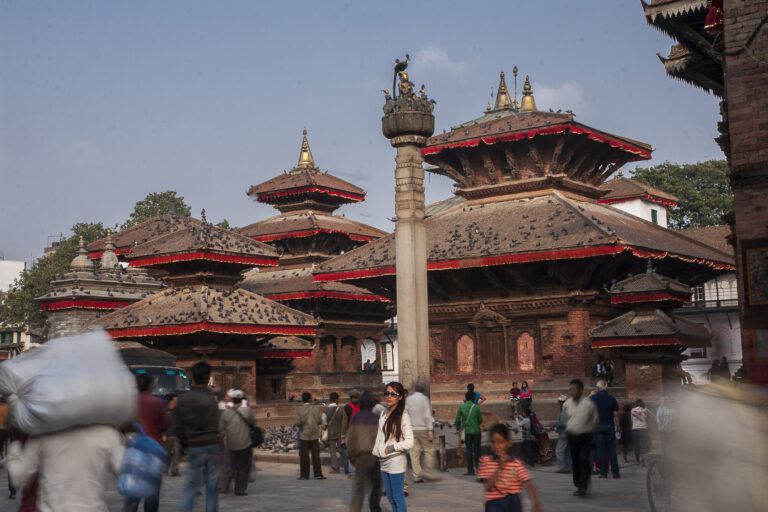
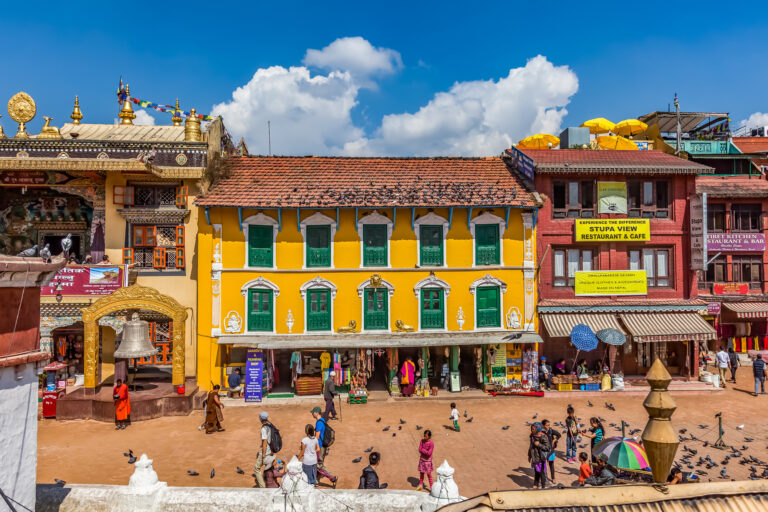
The most common regret in our files. The valley is three medieval city-states, the largest Tibetan stupa outside Tibet and one of the most significant Hindu sites in the world, and two days turns it into a blur of temples on the way to somewhere else.
Instead: four days, sequenced so you cross the valley traffic once a day, with a night in Bhaktapur after the coaches leave. The case is in the Kathmandu valley in four days.
A trek chosen by name rather than by schedule
Everest is a word that people have heard and Annapurna is not, and that is the entire reason most first-time trekkers arrive asking for the Khumbu.
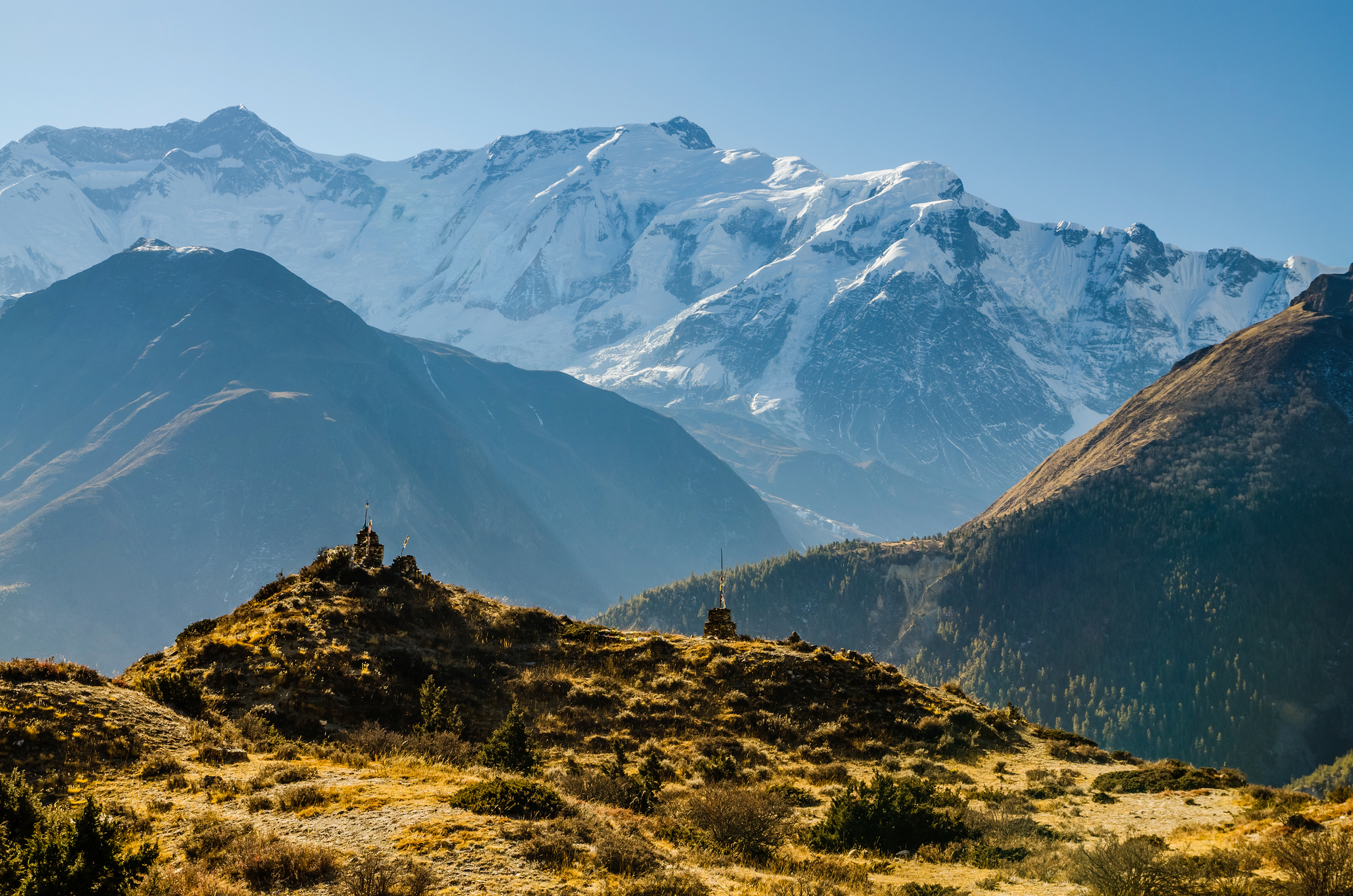
For most people, most of the time, the Annapurna Sanctuary is the better trip: a glacial amphitheatre ringed by peaks over 23,000 feet, a road-accessible trailhead with no flight to be cancelled, a highest sleeping altitude of about 13,550 feet (4,130 m) rather than nearly 17,000, and fifteen days rather than eighteen. We say so on the first call, and about half the time people change.
The things that are overrated
The Everest mountain flight, when you are already going to the mountains. One hour, $200 to $260, genuinely spectacular, and the first thing we would cut if the budget is tight and your route already includes Sarangkot or a trek. For a five-day valley-only trip, it is the best money in the itinerary. Context decides.
Thamel. A trekking equipment district with a nightlife attached. Buy your kit there, stay and eat in Patan.
The cultural dinner show. Fixed menu, masked dancing, coach parties. The dancing is a real tradition and this is not the setting for it.
Yak steak, and the ambitious end of any teahouse menu. Pizza, lasagne and apple pie in a lodge kitchen with one stove and ingredients that came up on a porter’s back are the most likely thing on the menu to make you ill. Order dal bhat, which comes with refills and is what the guides and porters eat.
Bottled water on the trail. Three or four dollars at height, and the empties do not come down. We provide purification and every lodge sells boiled or filtered water.
Lumbini as a detour. The birthplace of the Buddha, in the far south, a serious pilgrimage site and a long way from anything else. If it matters to you, go and give it the days. As a box on a twelve-day trip it costs two days of driving for an afternoon.
Chitwan expecting tigers. It is the best place in Asia for greater one-horned rhinoceros, which are genuinely common. Tigers exist and are rarely seen. If tigers are the point, go to Bardia in the far west, which needs an extra two days to reach.
The practical skips
Elephant-back safaris. We do not use them anywhere in our library, in Nepal or elsewhere. If an itinerary you have been shown includes one, that tells you something about who wrote it.
Trekking without a licensed guide. Since 2023 it has not been permitted in the national parks in any case, and permits are required everywhere. We regard this as sensible rather than bureaucratic, and it was already how we operated.
Carrying your own pack because it feels more authentic. On supported treks porters carry the main bags and you carry a daypack. We cap the load, provide the kit and pay properly. If you would rather carry your own, say so, and we will tell you honestly whether your chosen route is one where that is a good idea. On the higher routes it usually is not.
Buying a down jacket at home for one trip. There is an excellent second-hand and rental market in Kathmandu and Pokhara, and we mark on the kit list what is worth renting.
Driving both long legs. Kathmandu to Pokhara is six to eight hours by road or 25 minutes by air. Drive it once, westbound, broken at Bandipur, and fly the other direction.
Booking October six weeks out. Six to nine months is realistic for the autumn window, when lodges, flights and the good guides are all at capacity.
What we would add instead
- A fourth day in the valley, and a night in Bhaktapur.
- A night in Bandipur, which turns the drive west into the most pleasant evening in the country.
- An empty day in Pokhara. Doing nothing on a lake under the Annapurnas is not a wasted day.
- The Ghorepani and Poon Hill loop, four walking days added to a twelve-day trip, which is the single best modification we make to our most-booked route.
- Bardia instead of Chitwan, if you have the extra two days and want the wilder version.
- A Newari kitchen afternoon, because being shown how choila is made is more useful than being served it.
- Buffer days, generally. In a country where flights are weather-dependent and roads have landslides on them, slack is not padding.
Plan this trip
Tell us your dates and the places you want to see, and we build your trip as a $39 day-by-day plan, with recommended hotels by level and every transfer set out step by step.
Keep reading
- How many days do you need in Nepal?
- Everest or Annapurna: which trek suits which walker
- The Kathmandu valley in four days
- Classic Nepal in 12 days
- The Annapurna teahouse trek, 15 days
- Nepal: the complete guide